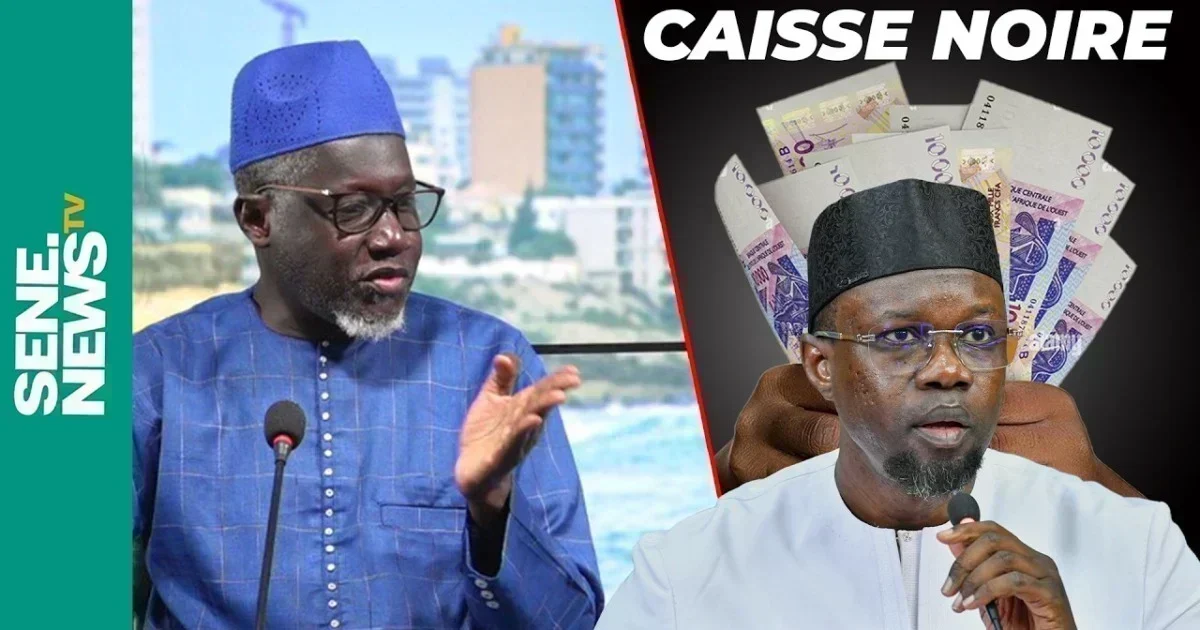

An influential religious figure in Senegal has come forward with explosive allegations regarding the former Prime Minister’s handling of confidential state resources. In a detailed statement, Imam Kanté disclosed previously undisclosed information about how Ousmane Sonko managed special discretionary funds during his tenure, sparking immediate political fallout and calls for greater financial transparency.
During a widely circulated video address, the Imam outlined specific instances where these funds were allegedly diverted from their intended purposes. He described irregularities in the allocation process, including payments made without proper oversight or justification. These revelations have intensified scrutiny over how public money is administered in Senegal, particularly in matters tied to national security and emergency response.
Ousmane Sonko, a prominent opposition leader, has long positioned himself as a champion of anti-corruption reform. However, the Imam’s testimony now directly challenges that narrative, suggesting that even those advocating for stricter governance may have been involved in questionable financial practices. The claims have prompted swift reactions from both supporters and critics, with many demanding a thorough parliamentary review.
reactions from political figures and public
Public figures and civil society groups have reacted swiftly to the Imam’s statements. While some have called for immediate legal action against Sonko, others have urged restraint until a full investigation can be conducted. Opposition parties have seized on the controversy, demanding that the government open an independent audit into all discretionary spending during Sonko’s time in office.
The Imam’s intervention has also reignited debates about the role of religious leaders in political discourse. In Senegal, where faith and governance often intersect, his testimony carries significant weight and has amplified calls for greater accountability across all sectors of public life.
what happens next?
Legal experts and constitutional scholars are now weighing in on the potential consequences of these allegations. If substantiated, the revelations could lead to formal investigations, possible impeachment proceedings, or even criminal charges. Meanwhile, Sonko has yet to issue a public response, though political analysts expect him to address the matter in the coming days.
The unfolding situation underscores the growing importance of transparency in Senegal’s political landscape. As citizens and institutions demand clearer oversight of public funds, this controversy may set a new precedent for how discretionary resources are managed—and who holds the power to oversee them.