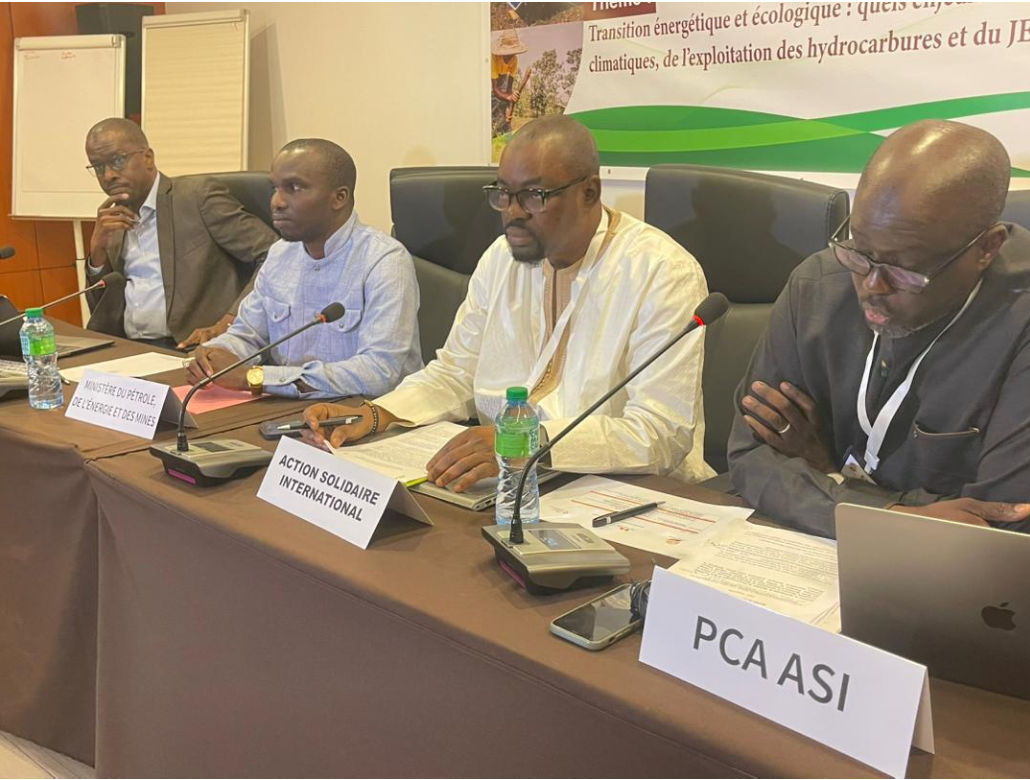

The fourth edition of the Environment and Energy University kicked off in Dakar this week, drawing together leading experts, researchers, government officials, civil society groups, and technical partners to address the nation’s ecological transition.
The two-day event, held on May 19 and 20, serves as a vital platform for advancing discussions on Senegal’s path toward sustainable energy and environmental resilience. With climate change impacts intensifying and new challenges emerging from oil and gas development, the timing underscores the urgency of coordinated action.
The opening ceremony was led by Dr. Elhadji Ndiaye, representing the Minister of Petroleum, Energy, and Mines. Key institutions in attendance included the National Renewable Energy Agency (ANER), the Senegalese Rural Electrification Agency (ASER), academics, and representatives from multiple NGOs.
Dr. Ndiaye emphasized the growing importance of energy and environmental issues, describing them as central to economic growth, social progress, and sustainable development.
He highlighted the critical role of energy in driving productivity, fostering innovation, creating jobs, and enhancing living standards across the country. “Energy and environmental challenges are no longer isolated concerns—they shape our economic future and social well-being,” he stated.
Mamadou Barry, President of Action Solidarité Internationale and coordinator of the university, stressed the need for immediate action in transitioning to cleaner energy models. He warned that Senegal faces growing threats from climate-related disasters, including coastal erosion, recurring floods, and declining agricultural yields.
“We must rethink our development strategies to build resilience against climate change,” he declared. He argued that while the country’s entry into oil and gas production presents economic opportunities, it must not come at the expense of renewable energy commitments.
Barry also called for greater inclusion of communities most affected by climate change in policy-making processes, ensuring their voices shape the nation’s sustainable future.



