
Dakar reshapes African Francophonie as new power dynamics emerge
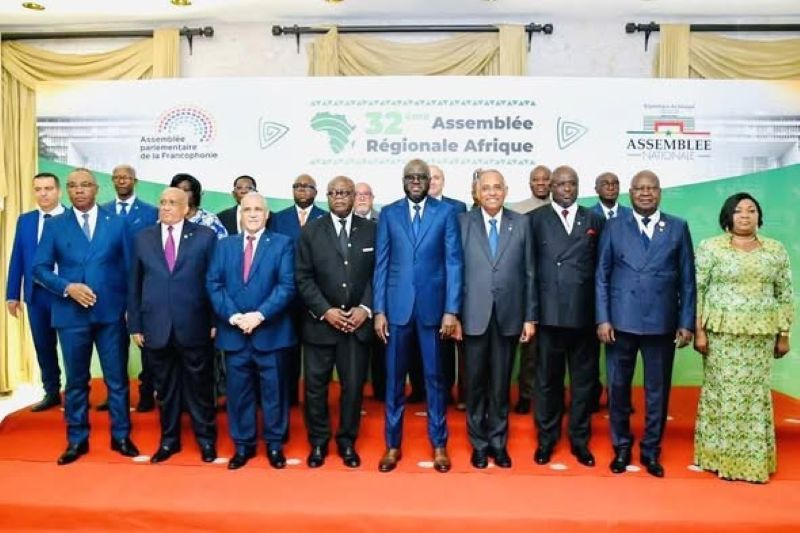
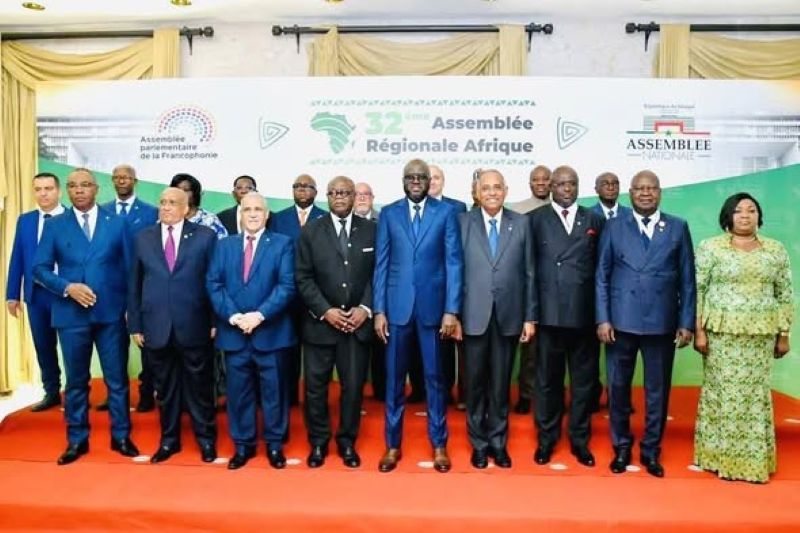
Libreville, May 19, 2026 — Tensions ran high behind the diplomatic smiles at Dakar’s Francophonie assembly. The 32nd African regional session of the Francophonie Parliamentary Assembly transformed Senegal’s capital into a strategic hub where over 200 lawmakers, assembly presidents, and institutional representatives from nearly 30 African nations debated the continent’s future in an era of shifting global power structures.
The three-day gathering was far more than a routine parliamentary meeting. Amidst geopolitical realignments, Sahel security crises, Middle Eastern conflicts, and great-power rivalries, delegates confronted a fundamental question: What role should Francophone Africa play in the 21st century?
Senegal drives a bold new African doctrine
The most defining moment came from Senegal’s National Assembly President, El Malick Ndiaye. In a speech laden with political weight, he called for an “assertive African sovereignty,” championing strong parliamentary institutions capable of democratic oversight and strategic influence.
This wasn’t mere rhetoric. Ndiaye’s address signaled the rise of a new African political doctrine—one that rejects a Francophonie limited to cultural or linguistic identity in favor of a platform for strategic cooperation, political stability, and defense of African interests. Senegal used the global stage to push for a more autonomous Africa in security, economic, and diplomatic decisions, particularly addressing Sahel crises and external pressures.
His call for a “more assertive parliamentary diplomacy” resonated deeply. Key priorities emerged: human security, fair taxation of extractive industries, administrative cooperation, and robust democratic controls. The message was clear: Francophone Africa no longer wants to simply participate in global debates—it aims to shape them.
Gabon steps up its diplomatic ambitions
Gabon made its presence felt at this pivotal gathering. Led by National Assembly President Michel Régis Onanga M. Ndiaye, a high-level delegation showcased Libreville’s push to strengthen its voice in international institutions. This move aligns with Gabon’s broader diplomatic repositioning aimed at rebuilding its institutional credibility and continental influence.
Gabon’s delegation pushed for reforms within the Francophonie Parliamentary Assembly to better reflect African aspirations. Beyond diplomacy-as-usual, Gabon positioned itself as a proactive advocate for governance, democracy, and sustainable development—signaling a shift from passive participation to active agenda-setting in Francophone affairs.
A Francophonie at a crossroads
Beneath the polished declarations, a deeper crisis simmered. Many African leaders argue that the Francophonie’s traditional structures no longer match today’s geopolitical realities. Sovereignist demands, democratic aspirations, persistent security threats, and economic pressures have reshaped expectations of international organizations.
The old narrative of linguistic solidarity has given way to calls for a Francophonie rooted in security, economic development, regional integration, and institutional stability. This shift reflects a profound intellectual turning point among Francophone African elites—one where institutions must actively defend African interests in a more competitive world.
Dakar as a symbol of continental change
By hosting this assembly, Senegal reaffirmed its ambition to become a central player in Africa’s new diplomatic landscape. The choice of Dakar was deliberate: a post-2024 political transition and a regional trend of redefining ties with former powers set the stage for this historic gathering. More than resolutions, Dakar embodied a Francophone Africa in strategic transition—strengthening institutions, securing interests, and projecting a more independent voice on the global stage.
The Francophonie Parliamentary Assembly has entered a defining phase where sovereignty, democratic governance, and political power take center stage. In Dakar, African parliamentarians didn’t just discuss the Francophonie’s future—they began redrawing the map of a new African ambition.