
Ebola bundibugyo outbreak in drc sees 19 recoveries as ituri remains hotspot
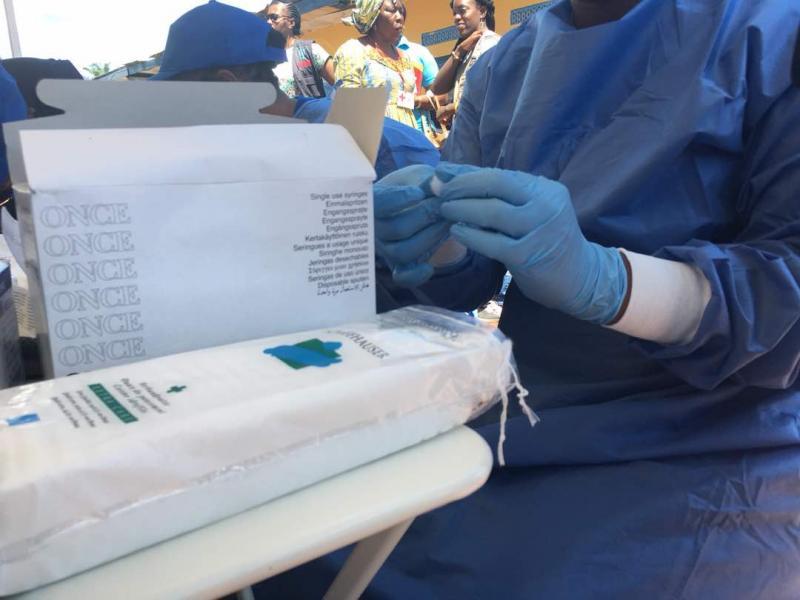
In the Democratic Republic of the Congo (DRC), the Ebola Bundibugyo outbreak that surfaced in mid-May continues to strain health systems across three provinces. As of the latest updates, 19 patients have fully recovered and been discharged from Ebola treatment centers, according to the National Institute of Public Health (INSP).
The rapid response measures implemented by health authorities have been pivotal in achieving these recoveries. The outbreak, declared on May 15, has prompted the activation of emergency response teams in the affected health zones of Ituri, North Kivu, and South Kivu. These teams have worked tirelessly to contain the spread and provide critical care to those infected.
current outbreak statistics and regional impact
As of the most recent health data, the outbreak has resulted in 550 confirmed cases, with 101 fatalities. A total of 309 patients remain in isolation for ongoing treatment. The situation remains particularly severe in Ituri, which continues to serve as the epicenter of the outbreak. Out of the 25 affected health zones, 17 are located in Ituri—a province with a total of 36 health zones.
The most heavily impacted health zones include Aru, Aungba, Bambu, Bunia, Damas, Gety, Kilo, Komanda, Lita, Logo, Mambasa, Mangala, Mongbwalu, Nizi, Nyankunde, Rimba, and Rwampara. Health officials emphasize the urgency of maintaining vigilance in these areas to prevent further transmission.
response efforts and challenges ahead
The DRC’s health ministry, in collaboration with international partners, has intensified efforts to curb the outbreak. Key strategies include widespread testing, contact tracing, and the deployment of vaccination campaigns where possible. Despite these efforts, challenges persist, particularly in remote and conflict-affected regions where access to healthcare remains limited.
Health experts warn that complacency could lead to a resurgence of cases. They call for continued community engagement to ensure adherence to preventive measures, such as hand hygiene, safe burial practices, and avoiding contact with infected individuals or wildlife.
looking forward: a cautious optimism
While the recovery of 19 patients is a positive sign, health authorities stress that the outbreak is far from over. The situation demands sustained funding, logistical support, and public cooperation to bring the epidemic under control. The international community has pledged additional resources, but the path to eradication remains fraught with obstacles.
For now, the focus remains on protecting vulnerable populations and preventing further spread. The DRC’s health system, already stretched thin by multiple crises, is working around the clock to turn the tide against this deadly virus.