
The Democratic Republic of Congo is grappling with a rapidly escalating Ebola crisis, with confirmed cases exceeding 1,000 in just one month. The outbreak has primarily struck the eastern provinces of Ituri, North-Kivu, and South-Kivu—regions already devastated by ongoing conflicts, mass displacement, and severely limited healthcare access.
While the situation remains largely contained within Central Africa, the identification of a case imported into France underscores the persistent—though currently low—global transmission risk. Health authorities insist that rigorous surveillance and isolation protocols have significantly reduced the chances of widespread international spread.
escalating crisis in eastern DRC
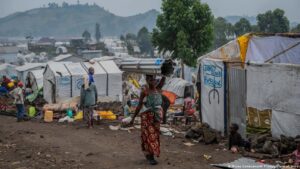
The surge in Ebola cases in eastern Democratic Republic of Congo is deeply concerning, particularly as it coincides with a fragile humanitarian landscape. The affected provinces, including Ituri, North-Kivu, and South-Kivu, are not only battlegrounds for armed conflict but also host to vast numbers of internally displaced persons. These factors create ideal conditions for the virus to spread unchecked.
Healthcare infrastructure in these areas is either destroyed or overwhelmed, making it difficult to implement timely diagnosis, treatment, and containment measures. The combination of insecurity and poor access to medical services has prolonged the outbreak, leaving communities vulnerable to further devastation.
international implications and response
The confirmation of an imported Ebola case in France has drawn global attention to the outbreak. While health officials emphasize that the risk of further international transmission remains minimal due to robust monitoring systems, the incident serves as a stark reminder of the virus’s potential to cross borders.
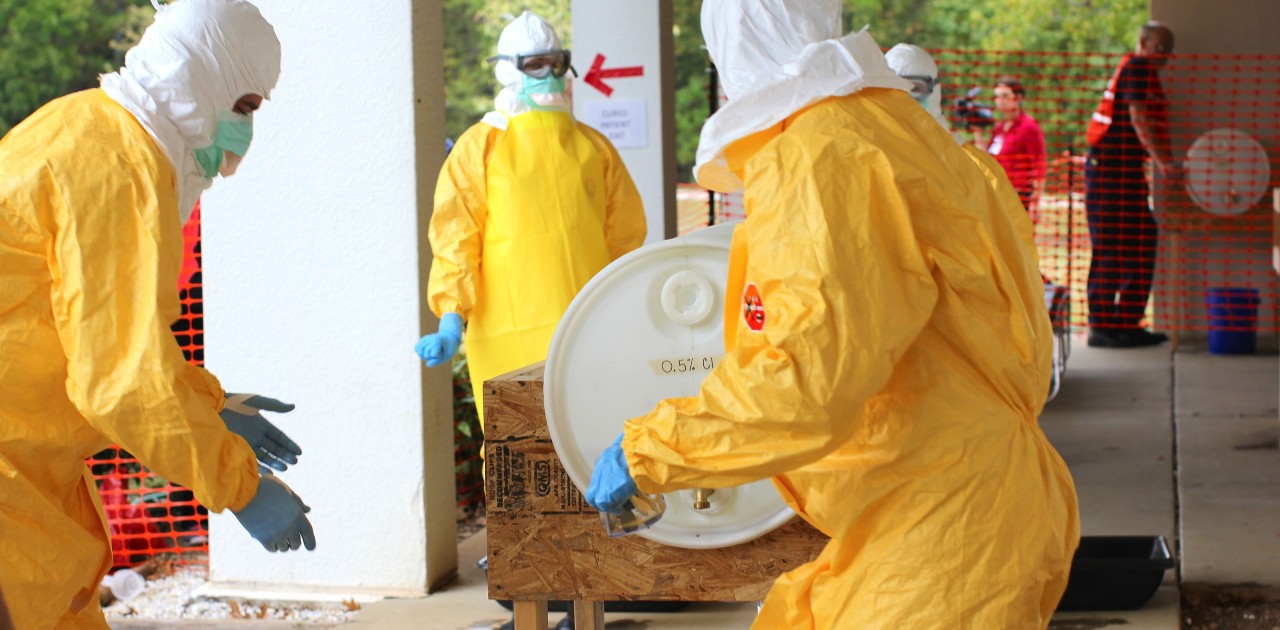
International health organizations are collaborating closely with local authorities to strengthen surveillance, enhance laboratory capacities, and deploy rapid response teams. These coordinated efforts aim to curb further transmission and prevent the virus from gaining a foothold beyond the DRC’s borders.
challenges in containment and public health measures
Controlling the spread of Ebola in conflict zones presents unprecedented challenges. The movement of displaced populations, coupled with restricted access for humanitarian workers, hampers efforts to track and isolate cases. Additionally, misinformation and distrust within communities can lead to resistance against vaccination campaigns and other preventive measures.
Public health experts warn that without sustained international support and improved local healthcare systems, the outbreak could spiral out of control. The situation demands urgent action to bolster response capabilities and ensure that at-risk populations receive the care and protection they need.
a call for global solidarity
The current Ebola outbreak in the Democratic Republic of Congo is not just a regional crisis—it is a global health concern. While the immediate focus remains on containing the virus within the DRC, the international community must remain vigilant and prepared to respond to any potential global spread.
Health authorities continue to urge travelers and residents in the region to adhere to safety guidelines, including avoiding contact with infected individuals and reporting any symptoms immediately. Early detection and isolation remain the most effective tools in preventing a larger-scale epidemic.
As the situation evolves, ongoing surveillance and adaptive strategies will be critical in bringing this outbreak under control. The world is watching, and collective action will determine the outcome of this health emergency.