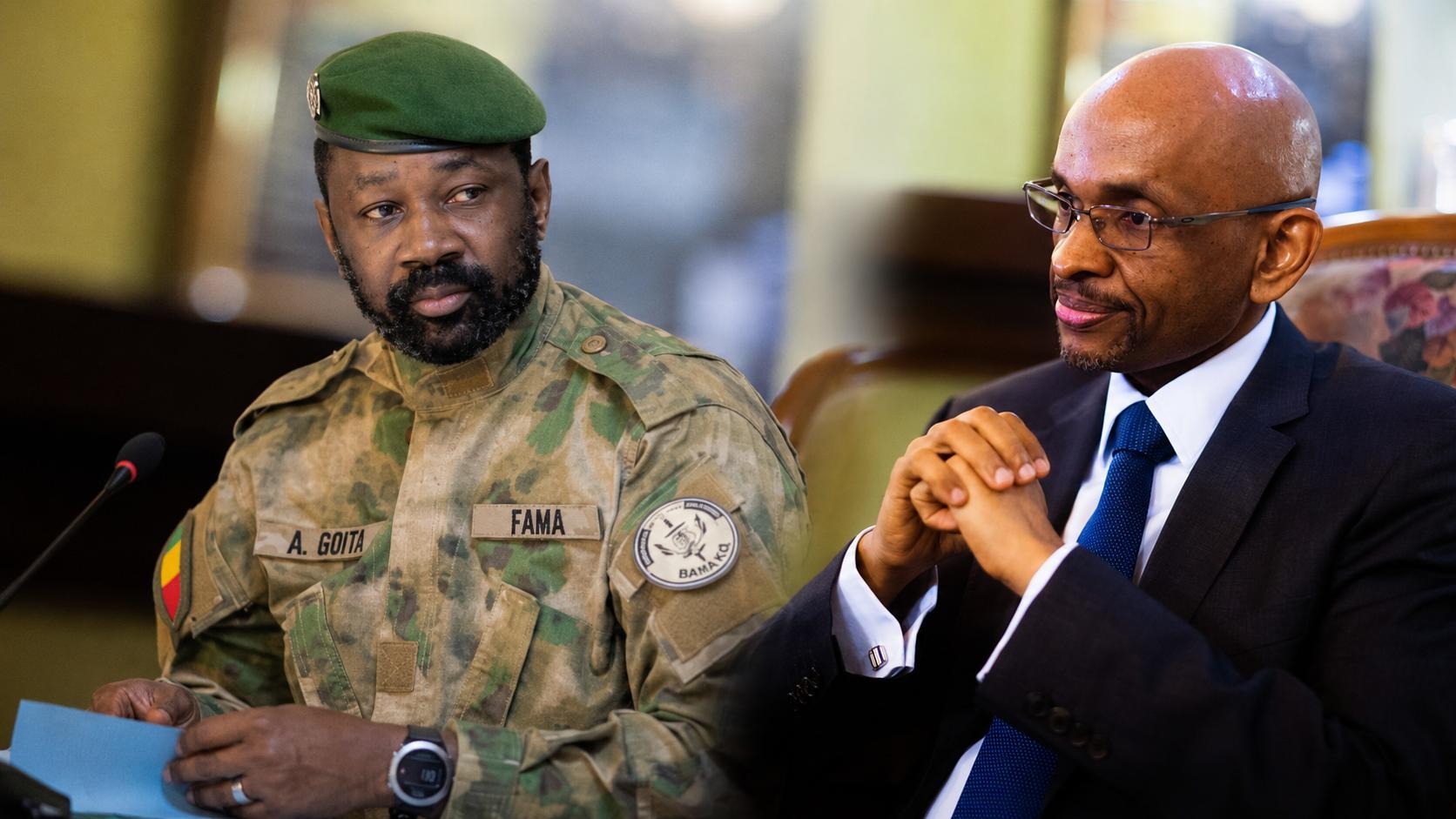

Dictatorships around the world have long understood a harsh truth: to fully dominate a nation, controlling the economy is as critical as silencing dissent. The military-led transition in Mali is now putting this principle into brutal action, cloaking its maneuvers under the guise of fostering entrepreneurship. A recently unveiled charter for micro, small and medium enterprises (MSMEs)—celebrated as a lifeline for local businesses—actually serves as a Trojan horse for deeper state interference.
the myth of economic empowerment
Official narratives paint the charter as a bold step toward « structuring » the private sector, promising support for grassroots traders, artisans, and transport workers. Yet beneath the rhetoric lies a calculated bid to absorb the informal economy—the lifeblood of Mali’s survival—into a rigid, state-controlled framework. Over 90% of the population relies on this unregulated sector, where survival, opportunity, and dignity are intertwined. By imposing new licensing, classification, and compliance rules, the regime doesn’t aim to uplift entrepreneurs; it seeks to monitor, regulate, and ultimately subordinate them.
from survival to subjugation
In the shadows of dictatorship, the informal sector thrives precisely because it operates beyond the reach of state bureaucracy. But when every vendor, mechanic, or market stall is forced into a formal registry, the government gains an unprecedented tool: leverage. Access to loans, public contracts, or even the right to operate legally could soon hinge on political loyalty rather than merit or need. This isn’t economic reform—it’s economic colonization, where patronage replaces progress.
The charter’s timing is no coincidence. With Mali’s formal businesses already gasping under the weight of crippled infrastructure and financial strangulation, the regime offers no real solutions. Instead of addressing the chronic electricity shortages that force companies to run costly generators or the credit drought strangling startups, officials parade a document that promises order through paperwork. The message is clear: compliance is the new currency, and dissent will be met with exclusion.
freedom denied, enterprise crushed
History has repeatedly shown that authoritarianism does not respect boundaries. Suppress free speech today, and tomorrow the economy will follow. By dismantling independent media and jailing critics, the military government ensured that grievances—whether over taxes, power cuts, or theft—would never reach the public ear. Now, it’s taking aim at the final frontier of autonomy: the ability to earn a living without begging for permission from those in power.
Centralized control has never nurtured innovation or prosperity. From Burkina Faso to Niger, nations that have stifled private initiative under the pretext of « order » have invariably seen their economies wither, innovation stall, and youth flee. Mali now risks walking the same path—a path paved with empty charters and paved-over freedoms.