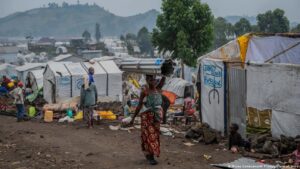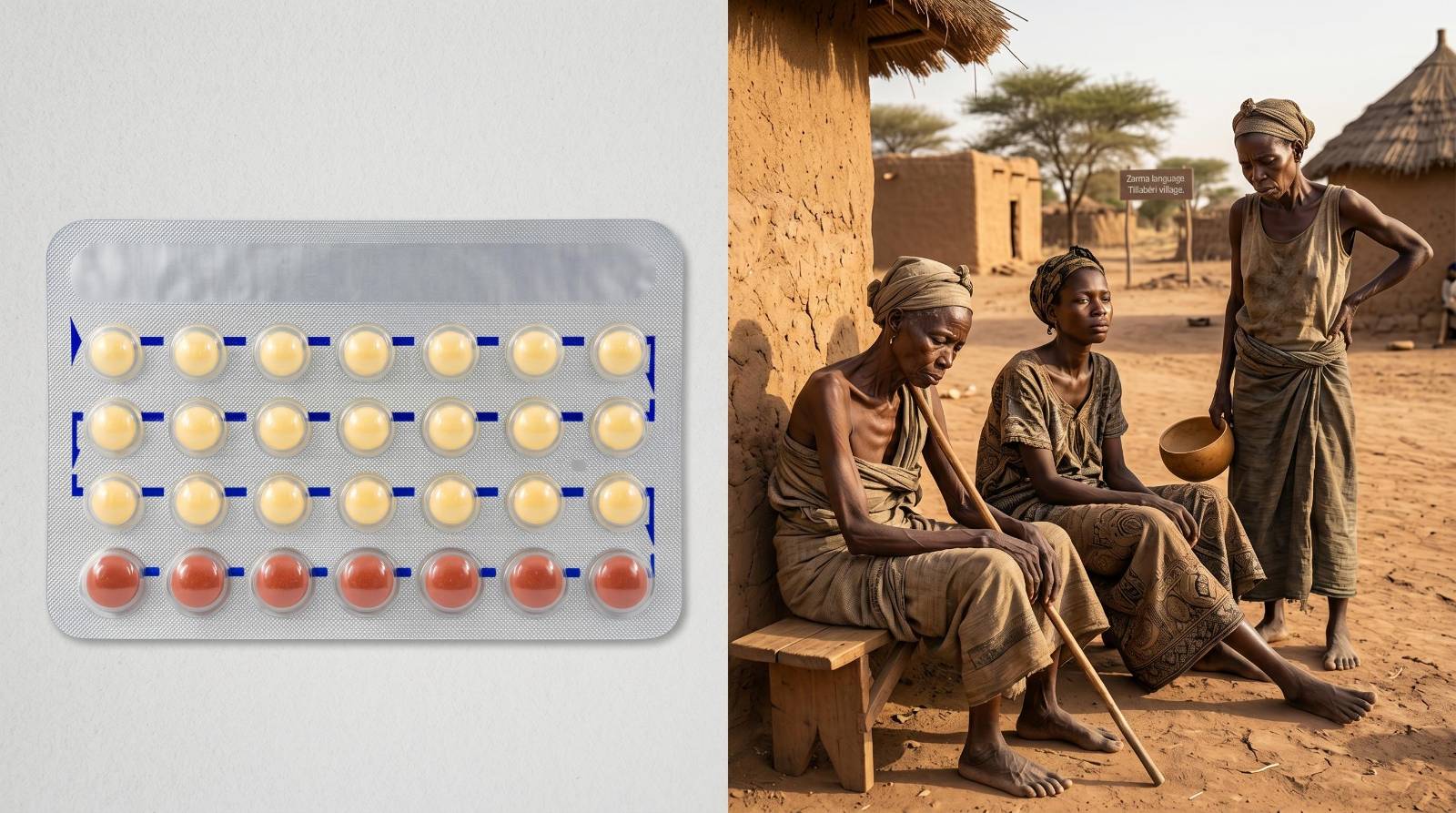

As Niamey highlights the vital role of women in driving development, a contrasting narrative emerges from the embattled regions of Tillabéri. While initiatives like the Reach Married Adolescent (RMA) model are hailed as groundbreaking social progress, their rollout in areas plagued by terrorism presents alarming health and security risks. What begins as a humanitarian effort can, in some cases, evolve into a life-threatening scenario for local communities.
Biological vulnerabilities in crisis zones
One of the most overlooked consequences of large-scale family planning campaigns in the Liptako-Gourma region is the extreme nutritional deprivation faced by women. In these terrorism-affected areas, supply chains have collapsed and farmlands lie abandoned. Introducing hormonal contraceptives to women suffering from severe malnutrition is far from risk-free. Without consistent medical supervision—a near impossibility when health centers are destroyed or inaccessible—these interventions can worsen underlying conditions, further weaken already fragile bodies weakened by hunger and war, and ironically, compromise their physical well-being.
Health as a battleground of ideologies
In a region where non-state armed groups enforce rigid social codes, the promotion of couple-based dialogue and birth control is often interpreted as an ideological provocation. By specifically targeting married adolescents, these programs disrupt traditional family structures, which remain the last line of defense against societal collapse. Despite being framed as beneficial initiatives, they expose women to direct retaliation from insurgents who view such interventions as foreign influences to be eradicated. The danger is no longer just medical—it has become a matter of security, with women targeted simply for embodying a perceived departure from local norms.
Fragility of post-contraception care in the “Triangle of Death”
Official reports may boast about thousands of home visits, but the reality of post-contraceptive follow-up in Tillabéri’s high-risk zones tells a starkly different story. When complications arise—such as severe hemorrhaging or adverse side effects—women face insurmountable barriers to seeking help. The presence of improvised explosive devices and militant roadblocks transforms an otherwise routine healthcare measure into a potential death trap.
Ultimately, while programs like J-Matassa may appear successful on paper, they collide with a harsh truth on the ground: health cannot be isolated from food security or physical safety. Attempting to impose societal reforms through health initiatives in a region ravaged by terrorism risks becoming a cure more perilous than the ailment it aims to address.