
As Didier Deschamps’ squad prepares to fly to the United States to face Senegal on June 16, two final friendlies await: a clash with Côte d’Ivoire in Nantes on June 5 and a meeting with Northern Ireland in Lille on June 8. These matches follow a long tradition of high-stakes preparation games for the Bleus. Here’s a look back at ten warm-up encounters that shaped the team’s World Cup journey in unexpected ways.
a double fracture and zidane’s missed penalty
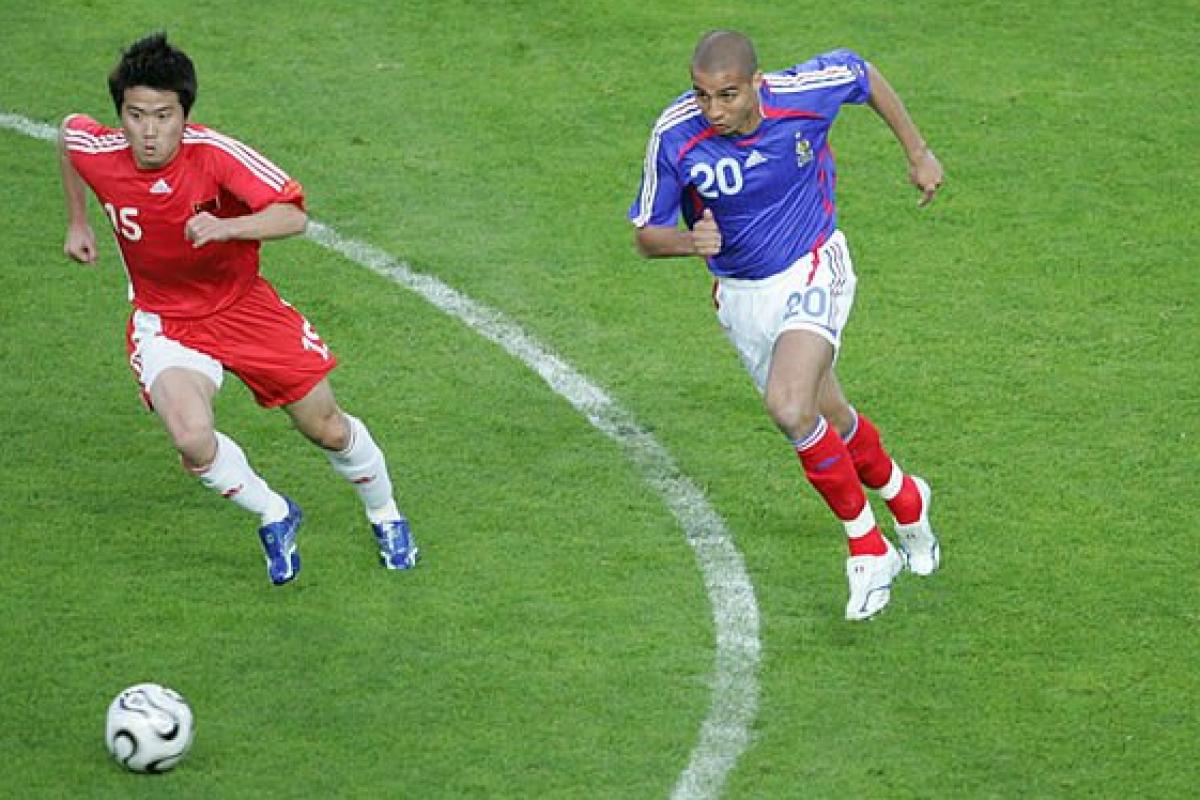
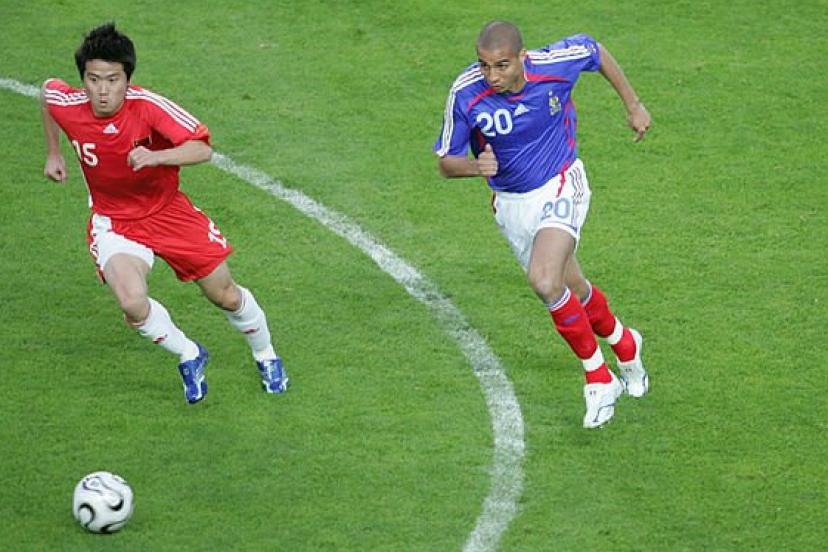
France vs China, June 7, 2006
Geoffroy-Guichard Stadium became the stage for a heartbreaking moment. Djibril Cissé, starting for Raymond Domenech, suffered a brutal tackle from Chinese captain Zheng Zhi on his very first touch. His right leg twisted at an unnatural angle—double fracture of tibia and fibula. The injury was reminiscent of his 2004 setback in Liverpool’s match against Blackburn. That day, Zinédine Zidane also etched his name into history, albeit in a painful way: he missed the only penalty of his international career. A stark contrast to the heroic strikes he would deliver later in the tournament against Portugal and Italy.
Tournament outcome: runners-up.
zidane’s thigh injury and the road to disappointment
South Korea vs France, May 26, 2002
Fresh from a Champions League victory with Real Madrid, Zidane enjoyed a rare break for the birth of his second child. But fatigue caught up with him in Ibusuki, Japan. In the match against South Korea, he pushed too hard and pulled a thigh muscle. The injury sidelined him early, exposing the team’s vulnerabilities. The media fixated on Zidane’s condition, neglecting to scrutinize the real issue: the squad’s lack of cohesion. The tournament ended in early elimination.
Tournament outcome: group stage exit.
dugarray, the so-called assassin
Finland vs France, June 5, 1998
The French team arrived in Helsinki with a morale boost from David Trezeguet’s goal. But after missing a chance, Christophe Dugarry was branded an “assassin” live on air by commentator Jean-Michel Larqué. The team took offense and refused to appear on Téléfoot the next day. A week later, Stéphane Guivarc’h started the World Cup despite scoring only once in his international career. Yet it was Dugarry, wearing the number 21 jersey, who struck the decisive goal in the tournament opener against South Africa.
Tournament outcome: world champions.
a chaotic three-part warm-up
France vs Guatemala, May 21, 1986
In Tlaxcala, Mexico, at an altitude of 2,230 meters, Henri Michel’s squad faced an absurd scenario: a televised training match split into three 33-minute periods. The field was uneven and riddled with holes, and the kickoff was delayed until 12:15 p.m. Jean Tigana criticized the organizers, calling them “high-level advertisers” who forced the team to play at midday. The players even demanded a share of the broadcast revenue.
Tournament outcome: third place.
fontaine’s explosive debut
Narke vs France, May 25, 1958
With Raymond Kopa unavailable, the French squad dismantled a third- and fourth-division team from Sweden’s Narke district. Just Fontaine, who had scored only four goals in his previous five matches with France, unleashed a scoring spree, netting four times. A week later, he repeated the feat against a stronger Narke selection. His performance launched the legend of the man who would go on to break the World Cup goalscoring record with 13 goals.
Tournament outcome: third place.
an experimental squad in belgium
Belgium vs France, May 30, 1954
With the 1954 World Cup in Switzerland approaching, manager Gaston Barreau decided to overhaul the squad. Five key players were dropped, including René Vignal and Joseph Ujlaki. At the Heysel Stadium, Barreau fielded an experimental lineup—seven of whom would play in the tournament. Meanwhile, a France B team played Spain, and veteran Roger Marche was left out entirely. The disjointed preparation reflected a fractured team spirit.
Tournament outcome: group stage exit.
the english coach’s tactical gamble
Holland vs France, May 10, 1934
New manager George Kimpton, an Englishman, attempted to impose the WM formation on the team just two weeks before the Italy World Cup. But the experiment backfired in Amsterdam. The French defense crumbled, and Kimpton’s lack of discipline frustrated his players. His outburst to Georges Verriest before the Austria match—“If he goes to the toilet, you go too!”—highlighted the tensions within the squad.
Tournament outcome: group stage exit.
the royal cruise that united the team
France vs Romania, July 10, 1930
Thirteen days aboard the Conte Verde, sailing from Villefranche-sur-Mer to Montevideo, forged strong bonds among the players. A week after arriving, France faced Romania in a friendly before the inaugural World Cup. According to L’Auto, the match lasted just an hour, ending 4-2 in favor of France. Romania’s squad had been handpicked by King Carol II, who granted them three months of leave from their jobs to prepare.
Tournament outcome: group stage exit.