
Libreville — As global climate concerns redefine economic and environmental priorities, Gabon is taking a decisive step in its conservation strategy by launching the FSC certification process for its entire network of thirteen national parks.
This technical initiative is driven by a much larger ambition: to establish the country’s protected areas as an international model for environmental governance. The goal is to successfully balance biodiversity preservation with sustainable development and access to emerging green finance markets.
Managed by the National Agency for National Parks (ANPN), this move positions Gabon at the center of a global movement that views natural ecosystems not just as heritage to be protected, but as strategic assets in the fight against climate change and the evolution of modern economies.
Certification as a tool for environmental credibility
The ANPN recently met with representatives from the Forest Stewardship Council (FSC) Africa and specialized consultants to define the framework for this certification journey. This strategic session focused on aligning with international standards, clarifying the roles of various stakeholders, and establishing the operational steps for field deployment.
While FSC certification is traditionally linked to sustainable forest management, its application to protected areas is a significant signal. It requires meeting strict criteria regarding governance, natural resource management, transparency, local community engagement, and the long-term health of ecosystems.
For Gabon, this process serves as a badge of international credibility. At a time when investors and global donors place increasing weight on environmental, social, and governance (ESG) factors, maintaining certified natural spaces provides a major strategic advantage.
Turning biodiversity into a development engine
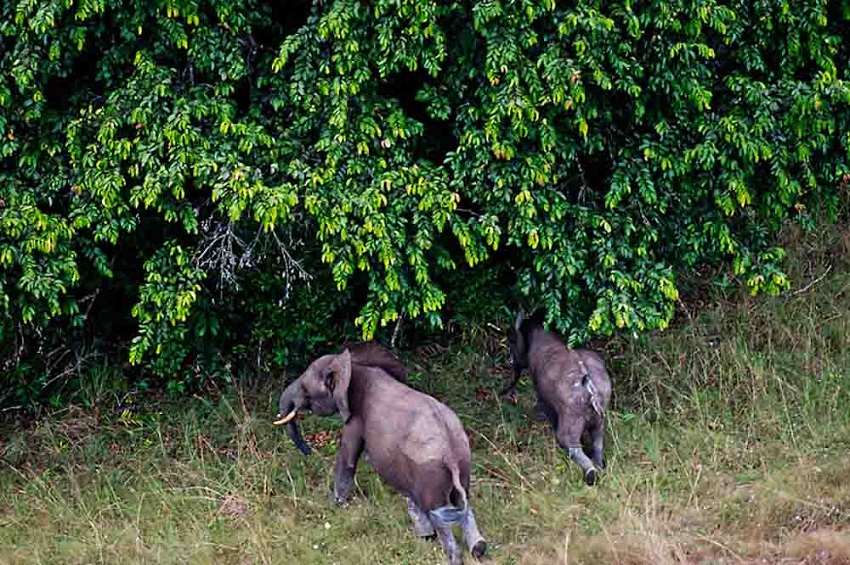
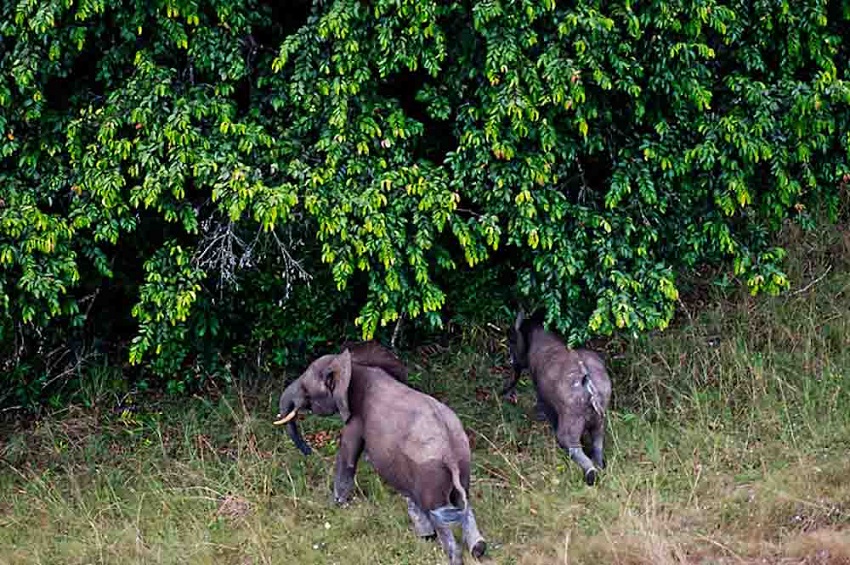
Gabon’s national park network encompasses nearly 11% of the country. These lands harbor some of the most significant biodiversity concentrations on the African continent, including forest elephants, gorillas, and thousands of endemic plant and animal species.
The proposed certification does more than just shield these natural riches; it seeks to enhance their economic value within a sustainable framework. Discussions with FSC Africa have specifically addressed monitoring systems, evaluation tools for protected areas, and the potential of ecosystem services.
This concept, now central to modern environmental policy, is based on the reality that forests and wetlands generate real economic benefits through carbon sequestration, climate regulation, water resource protection, and the expansion of ecotourism. In this light, certification acts as a passport to new international funding mechanisms designed to support conservation efforts.
A continental leadership ambition
Beyond national borders, this project carries a regional vision. By involving all thirteen of its national parks in this process, Gabon intends to become a pioneer in the certification of protected areas across Africa.
This direction comes as many nations strive to modernize their environmental management to meet international commitments under the Paris Agreement and global biodiversity targets. The partnership between the ANPN and the FSC is part of a broader shift toward a new management model for Gabonese protected areas, aimed at increasing conservation efficiency and attracting international partners.
In a world where natural resources are becoming key geopolitical factors, Gabon recognizes that its biodiversity is a premier asset. By aligning its national parks with the most rigorous international standards, the country is building the foundations of an environmental diplomacy where conservation drives influence, investment, and sustainable growth.