Gabon takes control of its fisheries resources
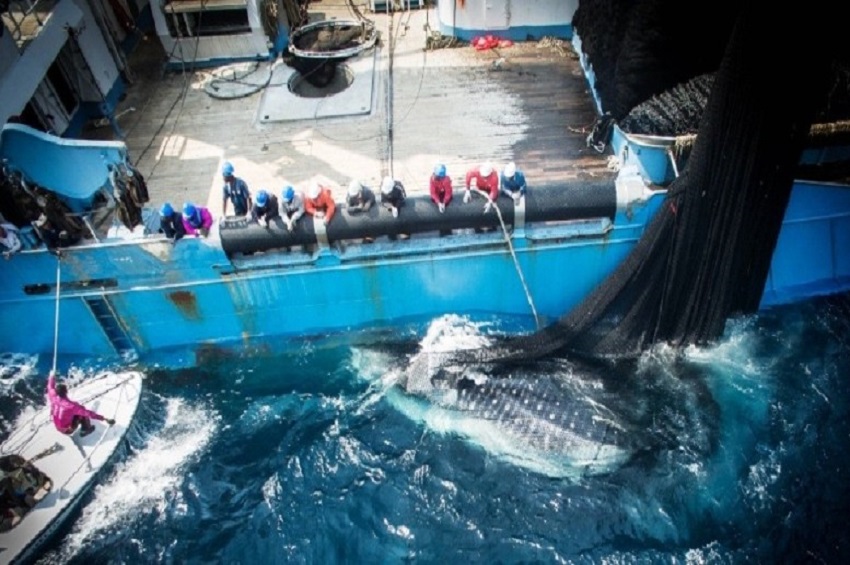
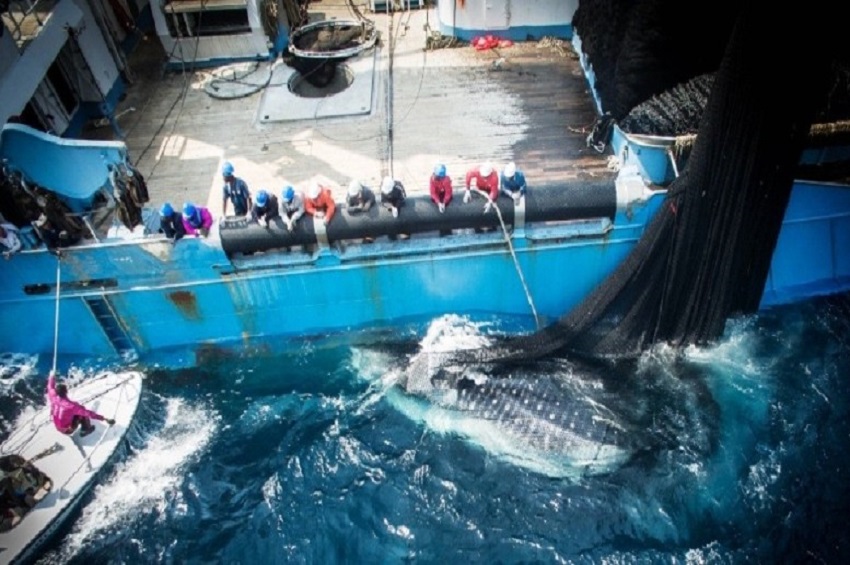
Libreville, 17 June 2026 – Just days before the sustainable fisheries partnership agreement between Gabon and the European Union was set to expire, the Gabonese government made a major political and economic move.
The authorities in Libreville are opening a new chapter in the management of their maritime resources. They refused to renew a deal they considered deeply unbalanced between Gabon and the European Union. Behind this decision lies a broader ambition that goes beyond the fishing sector alone: regaining control over the value generated by the country’s natural wealth and aligning with the continental momentum toward economic sovereignty and transparency in resource exploitation.
The announcement comes at a particular moment. Across Africa, debates over governance of fisheries resources are intensifying. At recent continental meetings in Mombasa focused on the blue economy and sustainable ocean management, several African states called for more transparency, traceability, and local benefits in agreements with major fishing powers. Gabon now appears to be turning that rhetoric into action.
The end of a contested model
For years, fishing agreements between African states and the European Union have sparked controversy. Officially designed to promote sustainable marine resource exploitation, they are regularly accused of favoring foreign fleets over local economies. That is precisely the observation driving Gabon’s current position. Officials believe the financial compensation offered by Brussels does not reflect the true value of catches taken from Gabonese waters. The roughly 2.6 million euros paid annually is seen as modest compared with the tens of thousands of tonnes of tuna harvested from one of the richest maritime zones in the Gulf of Guinea.
Beyond the financial aspect, Libreville highlights another major imbalance: the costs of monitoring and securing its Exclusive Economic Zone remain far higher than the compensation received. In other words, Gabon partly funds the oversight of an activity whose main profits are captured elsewhere. The industrial picture is even harsher. Fish caught in Gabonese waters is typically landed, processed, and marketed outside the country, leaving Gabon excluded from the value chains generated by its own resource.
The battle for added value
The central goal of this break is precisely local processing. For several years, Gabonese authorities have sought to move away from the raw-export model that still characterizes several strategic sectors of the national economy. After timber, minerals, and hydrocarbons, fisheries are now becoming a testing ground for this economic doctrine. The stated objective is to build a national tuna industry capable of creating jobs, attracting industrial investment, and boosting public revenues.
This direction aligns with recommendations from numerous African institutions. According to the African Development Bank (AfDB) and various blue-economy specialists, the continent loses billions of dollars each year due to a lack of local processing of its marine resources. For Gabon, fisheries represent a still largely underutilized potential. With more than 800 kilometers of coastline and one of the region’s largest maritime zones, the country has considerable assets to develop a competitive fishing industry.
Transparency, sovereignty, and sustainability
Gabon’s decision is not solely about economics. It also reflects a determination to strengthen transparency and sustainability in marine resource exploitation. Officials point to the risks of overfishing due to insufficiently rigorous control mechanisms. This concern echoes growing alarm from environmental organizations about the state of tuna stocks in several African fishing zones. By refusing automatic renewal of the agreement, which expires on 28 June 2026, Libreville intends to impose new rules of engagement. Future partnerships will have to incorporate higher requirements for ecosystem preservation, catch traceability, and local value creation.
This stance marks a significant shift in the power balance between African resource-holding states and their traditional partners. Long seen as mere suppliers of raw materials, several countries on the continent are now demanding a more active role in defining the terms for exploiting their wealth. Gabon’s decision could therefore set a precedent far beyond its borders. It sends a clear message to investors and international partners: access to Africa’s natural resources can no longer be separated from the imperatives of sovereignty, transparency, and local development. At a time when Africa is seeking to build a more autonomous economy better aligned with its strategic interests, Libreville’s choice appears as the embodiment of a deep-seated trend: a continent that no longer wants only to export its resources, but to master their destiny.