
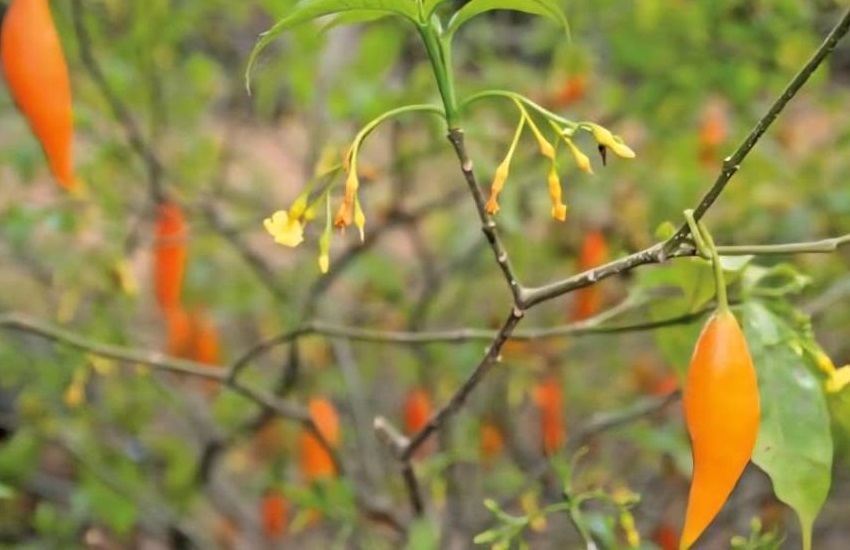
Libreville, June 10, 2026 – Gabon is taking decisive action to protect its sacred iboga plant by implementing strict new authorization requirements for all activities involving the species.
The iboga shrub, long revered in Gabonese spiritual traditions, particularly within the Bwiti initiation rites, has now entered a new regulatory phase. With the recent decree requiring prior state authorization for any iboga-related activity, the country is asserting its sovereignty over a plant that holds immense cultural, biological, and economic significance.
The move, formalized through decree n°0239/PR/MJSRCAVA on May 22, 2026, reflects a broader strategy to safeguard national heritage from uncontrolled exploitation. Every aspect—from scientific research and traditional knowledge to commercialization—now falls under state oversight, with authorization granted only after review by an interministerial technical commission.
From sacred plant to global commodity
The international spotlight on iboga has intensified in recent years, particularly due to its potential therapeutic applications. The plant’s primary alkaloid, ibogaine, is being studied in the United States, Europe, and Asia for its promising effects in treating addiction and certain psychological disorders. This surge in global interest has heightened concerns in Libreville about the uncontrolled appropriation of a resource deeply embedded in Gabonese identity.
The new regulations apply uniformly to both local practitioners and foreign operators, covering cultivation, processing, research, and commercial ventures. Authorities emphasize that these measures are not about stifling innovation but about ensuring equitable benefit-sharing and preventing the exploitation of traditional knowledge without consent.
Balancing tradition with regulation
While the need for stricter oversight is widely acknowledged, challenges remain in implementation. The iboga holds profound spiritual significance, with hundreds of healers, initiators, and spiritual leaders relying on it daily in ways that often operate outside formal administrative channels. In remote regions where traditions remain strongest, the state’s ability to monitor and regulate these practices is limited.
Critics argue that excessive rigidity could marginalize the very communities that have preserved iboga for generations. Conversely, a lax approach risks perpetuating the very exploitation the decree aims to curb. The government’s challenge is to strike a balance that protects both cultural heritage and the livelihoods of those who depend on the plant.
A strategic move for Gabon’s future
Beyond immediate regulatory concerns, this decree signals a broader economic and cultural ambition. Gabon is no longer content to be a passive supplier of raw materials; it seeks to control access to its strategic resources and maximize their value through local transformation.
This shift aligns with a growing trend across the continent, where African nations are asserting ownership over their genetic and cultural assets to combat biopiracy. For Gabon, iboga represents more than just a plant—it is a symbol of national identity and a potential driver of sustainable development.
The success of this initiative will hinge on careful execution. If managed well, it could set a precedent for how African nations protect their heritage while engaging with global markets. If poorly implemented, it risks alienating the very communities it intends to empower.
One thing is clear: the iboga is no longer just Gabon’s sacred plant. It has become a strategic asset in the country’s quest for cultural and economic sovereignty. By tightening control, Libreville is sending a powerful message—one that signals the end of an era where African resources were freely extracted without benefit or regulation.