
Gabon unveils ambitious decade-long energy roadmap in Cape Town
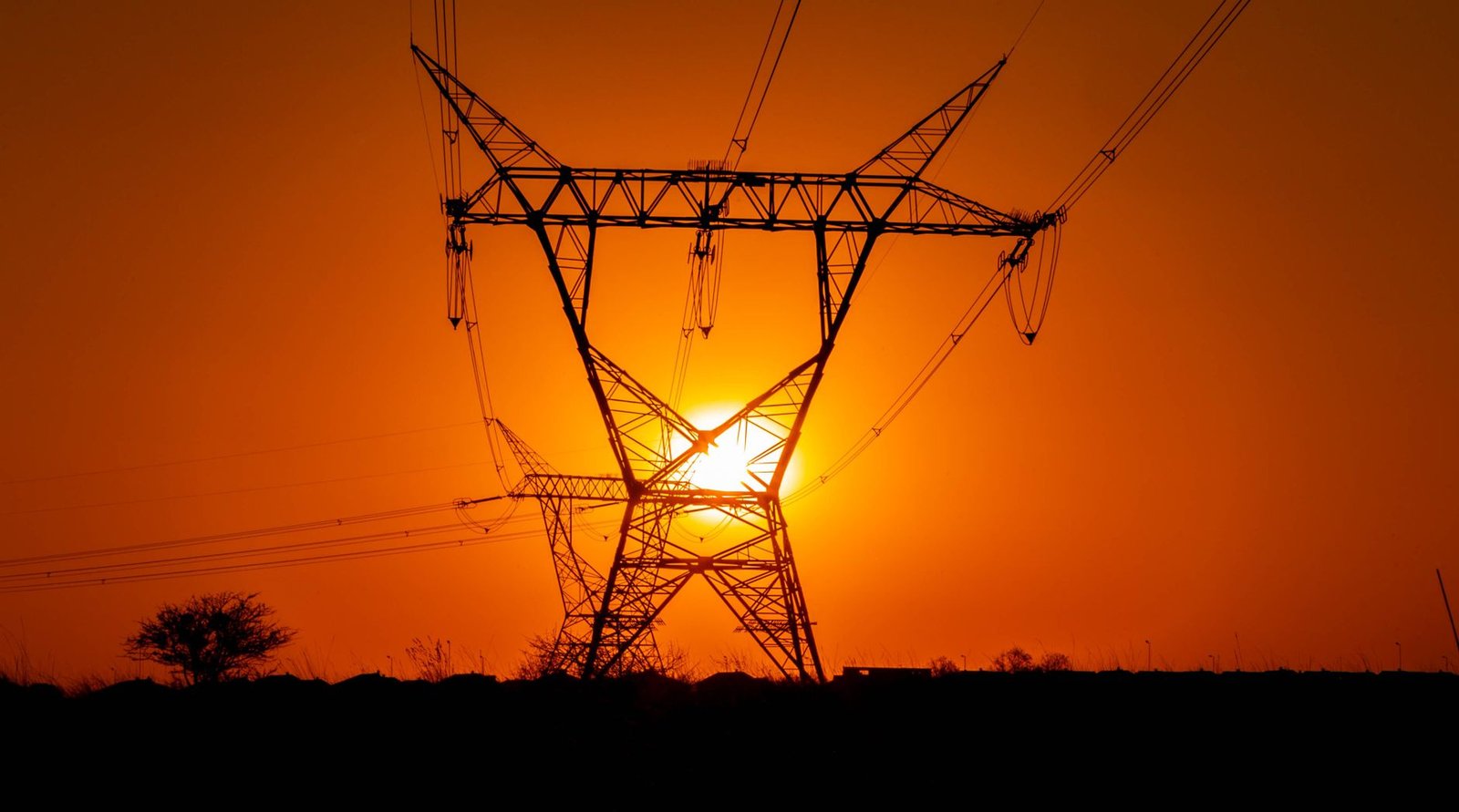
During the Africa Energy Forum in Cape Town, Gabon officially launched its strategic energy vision for the 2026-2035 period. Led by Philippe Tonangoye, the Minister for Universal Access to Water and Energy, the delegation engaged with representatives from over forty-five nations, international financial institutions, and major private operators. This move signals Libreville‘s intent to secure a significant portion of continental investment while re-establishing itself as a regional energy hub.
A ten-year strategy to eliminate energy deficits
The newly presented plan covers a decade and focuses on restructuring the national energy framework. Currently dependent on hydroelectric and thermal power, Gabon aims to broaden its supply sources and ensure essential services reach all citizens. A primary concern remains the achievement of universal electricity access, particularly in rural regions where connection rates lag significantly behind urban centers.
For the authorities, the challenge extends beyond simple power generation. It also involves the modernization of a distribution and transmission network whose aging infrastructure leads to frequent service interruptions and technical waste. The strategy rests on three fundamental pillars: boosting installed capacity, upgrading transmission infrastructure, and implementing decentralized energy solutions for remote areas. This integrated method is designed to make the goal of universal access a reality.
Cape Town as a platform for attracting capital
Choosing the Africa Energy Forum as a venue was a calculated decision. This annual gathering in South Africa attracts the most influential public decision-makers and private investors active on the continent. Given Gabon‘s current fiscal constraints and monitored public debt, securing concessional financing and private capital is essential for the success of this decadal plan.
Philippe Tonangoye highlighted various investment opportunities, ranging from renewable energy projects to transitional thermal segments. Gabon possesses vast, untapped hydroelectric potential—estimated at several gigawatts—alongside significant solar prospects in specific regions. Furthermore, the local utilization of natural gas for electricity production remains a priority for the administration.
The presence of global infrastructure funds in Cape Town provided Libreville with a direct channel for bilateral negotiations. However, the ultimate test will be converting these strategic outlines into bankable projects. Investors are looking for stable regulatory frameworks, competitive bidding processes, and clear pricing structures before committing to long-term ventures.
Energy sovereignty and industrial development
The 2026-2035 roadmap is a cornerstone of Gabon‘s broader push for economic sovereignty. Reliable energy is the engine for developing local industrial value chains, particularly in the timber, mining, and hydrocarbon processing sectors. Expanding these industries requires a competitive and consistent power supply.
The government must now reconcile these industrial needs with its international climate commitments, as the country remains a leader in forest preservation. The balance between rapidly deployable thermal capacity and the acceleration of renewable energy will likely define investment choices over the next ten years. The discussions in Cape Town allowed the government to gauge investor appetite for the Gabon market while preparing for the implementation of these critical projects.