Gabon’s new republic: the parliament takes center stage
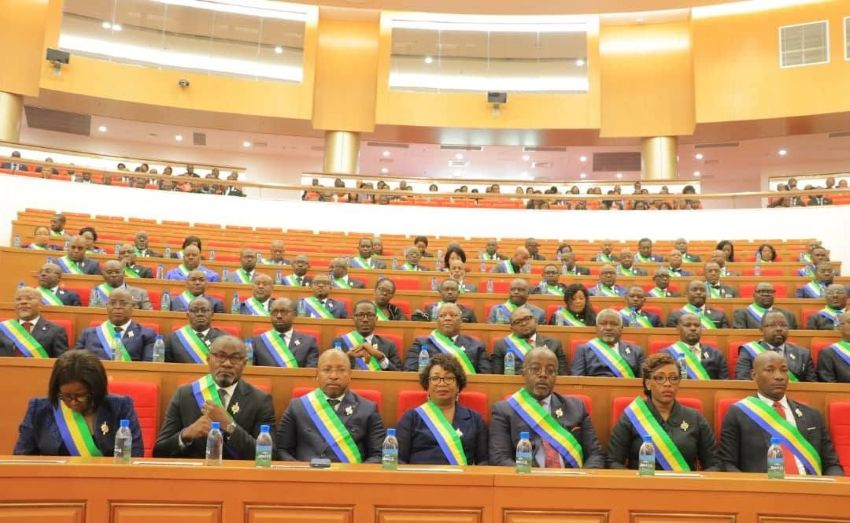
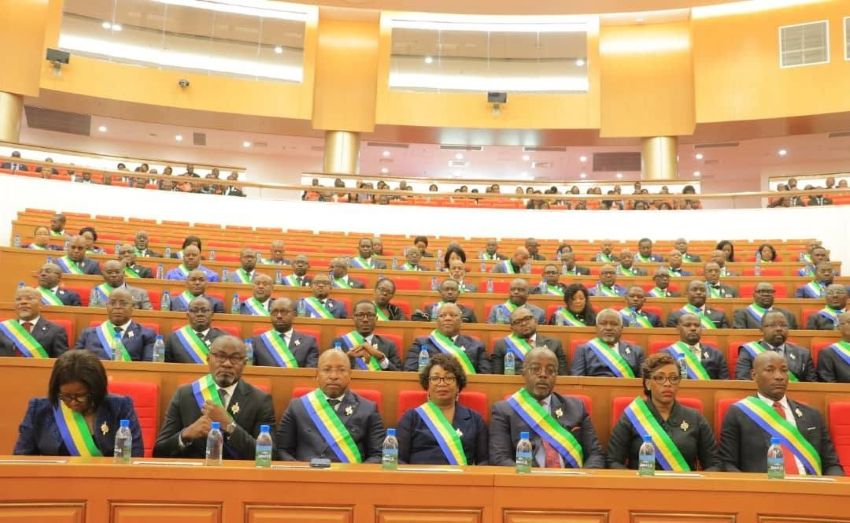
Libreville, June 15, 2026 — A pivotal moment in Gabon’s institutional history unfolded today as President Brice Clotaire Oligui Nguema addressed the Parliament in a formal Congress. This event, mandated by Article 59 of the 5th Republic’s Constitution, signifies a profound shift in how the nation’s leadership interacts with its legislative body.
This historic gathering at the Palais Léon Mba represents more than just a formal speech. It marks the emergence of a new power structure where the Parliament serves as the central hub for republican life and governmental accountability. As many nations struggle to bridge the gap between the government and the governed, Gabon is implementing a mechanism that could become the defining feature of its modern political era.
A structural shift in governance
Under previous administrations, a presidential address to the joint chambers was a rare occurrence. However, the 5th Republic has transformed this into a constitutional requirement. Every year, the Head of State is now obligated to present his vision, achievements, and future roadmap to the assembled lawmakers.
While this change may appear technical, its political weight is immense. It introduces a permanent mechanism of accountability at the highest level of the executive branch. The President is no longer just an elected leader but a figure who must answer to the national representation for the administration’s actions. This model distinguishes Gabon from many traditional presidential systems by institutionalizing a culture of regular public evaluation.
The choice of the Palais Léon Mba as the venue is also deeply symbolic. For decades, the executive branch was the undisputed center of gravity. By traveling to the Parliament, the President acknowledges that democratic legitimacy is a continuous dialogue with the people’s representatives, rather than a centralized authority.
The Parliament as a pillar of the 5th Republic
The constitutional reforms born from the National Inclusive Dialogue have elevated the role of the Parliament to unprecedented heights. Once viewed as a secondary institution, it is now a primary guardian of institutional balance. This evolution is a direct response to the political transition that began in 2023, which sought to restore public trust through transparency and oversight.
The annual Congress provides a visible platform where 215 deputies and senators—reflecting the nation’s social and geographical diversity—can witness the executive’s report firsthand. Even without a direct vote or debate, the ceremony serves as a unifying republican ritual, bringing together the majority and the opposition in a shared institutional space.
Fostering a new political culture
Beyond the protocol, this annual meeting establishes a governance philosophy rooted in transparency. It signals to the international community and global partners that Gabon is committed to a stable, predictable, and accountable framework. In a region where institutional reforms are closely watched, this mechanism demonstrates a desire for long-term stability.
The significance of this June 15 Congress extends far beyond the specific words spoken by the Head of State. It marks the birth of a republican tradition intended to structure national political life for years to come. By positioning the Parliament as the common house where the executive meets the nation’s representatives, the 5th Republic is defining its identity through the strength of its institutions rather than the concentration of power.