
Gabon’s water and electricity crisis: the engineers speak out
Libreville, Tuesday, June 30, 2026 — For years, the debate surrounding Gabon’s water and electricity shortages has focused solely on the consequences: endless blackouts, water rationing, power outages, and public frustration. Yet one fundamental question has been conspicuously absent: have the voices of those who truly understand the networks, infrastructure, and technical constraints been heard?
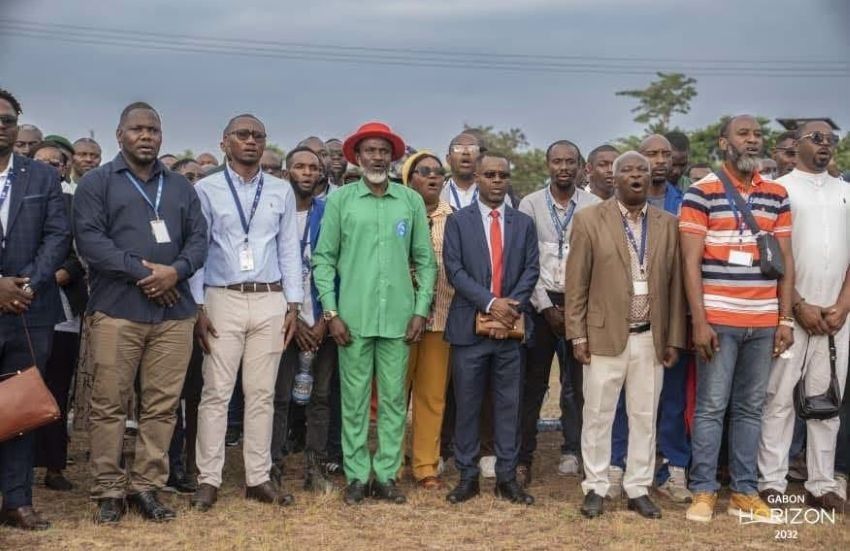
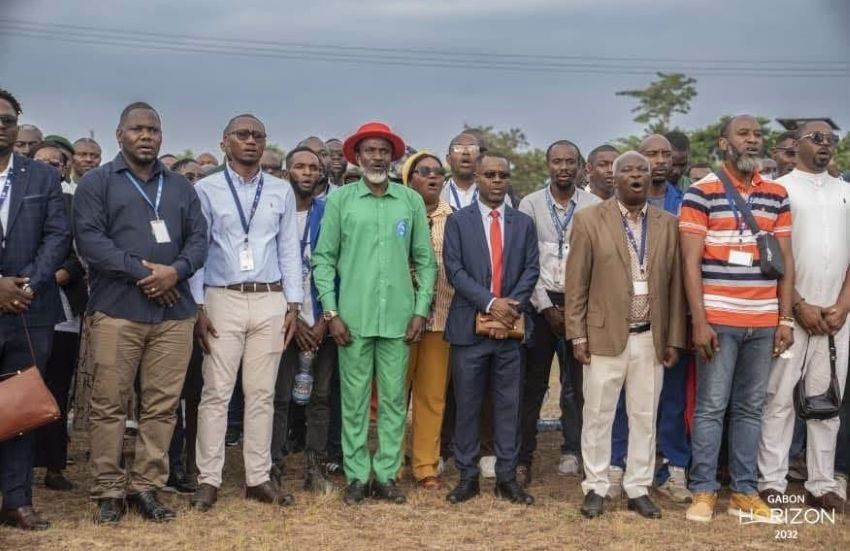
The meeting this week between Gabonese President Brice Clotaire Oligui Nguema and the Société d’Énergie et d’Eau du Gabon (SEEG) agents at the Jean Violas Vocational Center in Owendo may mark a pivotal shift in addressing the nation’s crisis. For nearly three hours, the Head of State listened directly to those who have spent years navigating the harsh realities of the field.
The feedback from the engineers and technicians was unmistakable. Beyond crumbling infrastructure, the core issue plaguing SEEG lies in the systematic sidelining of technical expertise in decision-making processes.
The voices of technicians at the heart of the diagnosis
A senior engineer’s testimony encapsulated what many SEEG staff have long observed: those on the ground spot failures, identify risks, and propose solutions, yet their recommendations are too often overlooked in strategic decisions.
This disconnect reveals a pattern seen in public enterprises worldwide. When operational realities are overlooked, inefficiencies accumulate until they become systemic failures.
Electricians, electromechanical engineers, network specialists, water technicians, and maintenance crews all echoed the same sentiment. Their descriptions painted a picture of a system where technical know-how does not always receive the weight it deserves in shaping policy.
The comparison to international corporate crises is striking. The setbacks experienced by some aviation giants, often analyzed in management studies, highlight the dangers of prioritizing administrative or financial imperatives over technical requirements. Conversely, automotive manufacturers like Mercedes have built their reputation on placing engineers at the forefront of strategic choices.
Water: a challenge of design as much as production
The discussions also shed light on lesser-known aspects of the crisis. Regarding water supply, engineers explained that the problems extend beyond mere rationing or aging infrastructure. Pressure levels are a critical factor. As available volumes dwindle, pressure drops, preventing water from reaching higher floors or distant neighborhoods.
This issue intensifies during the dry season, when the Ntoum River—currently the primary water source—naturally experiences reduced flow and lower water levels. This seasonal constraint raises a strategic question: why not leverage the ongoing sector reforms to explore diverting more water from the Kango River, known for its abundant and stable year-round supply?
Such a shift would require substantial investment, but it aligns with the logic of large-scale infrastructure needed to support a growing nation.
Reform can only succeed with skilled expertise
The upcoming establishment of Gabonaise des Eaux and Électricité du Gabon presents a historic opportunity. Rarely has Gabon had such a chance to rebuild two critical utilities from the ground up.
Yet success hinges on more than funding or equipment. It depends on placing technical skills at the core of the system. The direct dialogue between the President and SEEG staff revealed a crucial lesson: answers to the crisis often lie within the organizations themselves, among those who design, maintain, and operate the infrastructure daily.
The real takeaway from this meeting may be this: the new entities replacing SEEG must prioritize the insights of engineers, technicians, and specialists. While the state can finance infrastructure, only expertise, on-the-ground awareness, and professional competence can ensure sustainable public service delivery. This is likely Gabon’s most important lesson from its current energy and water crisis.