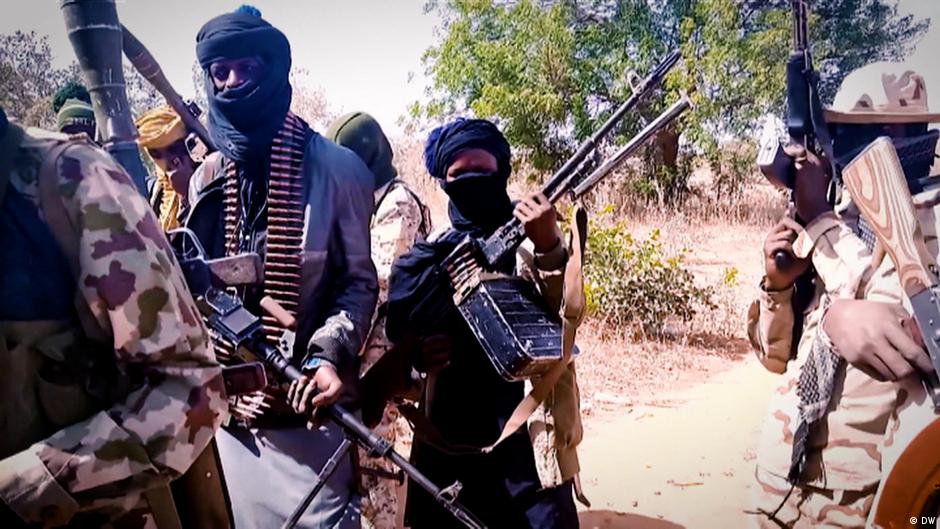

how Boko Haram funds its insurgency through kidnappings
Kidnapping has become a lucrative industry fueling the operations of Boko Haram across Nigeria, Niger, Chad, and Cameroon. This criminal enterprise, which targets schools, villages, and travelers, has evolved into a primary revenue stream for the jihadist group, enabling it to sustain its insurgency in Africa’s Sahel region.
the scale of the kidnapping epidemic in the Sahel
Nigeria bears the brunt of this crisis, with over 4,700 people abducted in nearly 1,000 incidents between July 2024 and June 2025, according to security risk assessments. These abductions—often targeting schoolchildren—have resulted in hundreds of deaths. While the majority occur in Nigeria’s northern regions, neighboring countries like Cameroon and Niger have also witnessed high-profile kidnappings, including the abduction of bus passengers in Cameroon’s Far North and seven Chadian nationals in Niger’s border regions.
In one recent case, Boko Haram demanded 50 million CFA francs for the release of five Chadian hostages. For a sixth captive—a doctor—the ransom soared to 500 million CFA francs, according to human rights groups in Chad’s Lac Province.
kidnappings as a dual-purpose strategy
Security analysts highlight two key motives behind these mass abductions. First, they serve as a recruitment tool, forcing abducted individuals—including women and entire communities—into combat roles, labor, or sexual servitude. Second, kidnappings generate substantial income through ransom payments, which Boko Haram exploits to finance weapons, logistics, and propaganda.
Researcher Remadji Hoinathy of the Institute for Security Studies explains, “These abductions serve both ideological and financial purposes. They replenish the group’s ranks while funding its operations through ransom demands that often reach millions of naira or CFA francs.”
ransom payments: a government dilemma
Despite Nigeria’s 2022 law criminalizing ransom payments—punishable by up to 15 years in prison—evidence suggests both families and authorities continue to pay. In November 2025, reports indicated the Nigerian government allegedly paid a 6 million euro ransom to secure the release of 230 Christian schoolchildren and staff abducted in Niger State. Officials deny the claims, attributing the liberation to intelligence operations, though experts warn that acknowledging ransom payments could embolden Boko Haram’s propaganda.
Analysts estimate that over 1.8 million dollars—about 5% of total ransom demands—were paid in Nigeria over the past year, underscoring the challenge of combating this funding mechanism.
Boko Haram’s evolution in the Lake Chad Basin
Founded in 2002 in Maiduguri, Nigeria, Boko Haram began as a radical Islamist movement rejecting Western education and governance. Led by Mohammed Yusuf, the group initially focused on religious indoctrination before expanding into violence, targeting civilians and security forces alike.
Today, Boko Haram dominates the Lake Chad Basin, a strategic region spanning Nigeria, Niger, Chad, and Cameroon. Its influence extends across porous borders, where weak state presence and economic activity—including agriculture and pastoralism—create ideal conditions for insurgent operations. The basin’s geography—marred by islands, swamps, and dense forests—also provides cover for militants evading military crackdowns.
Remadji Hoinathy notes, “The Lake Chad Basin is a crossroads for jihadist groups, including ISIS-affiliated factions like the Islamic State’s West Africa Province (ISWAP). It also serves as a transit route for arms and fighters moving between the Sahel and Libya.”
the rivalry between Boko Haram and ISWAP
In 2016, a faction of Boko Haram split to form ISWAP, aligning with the Islamic State after rejecting the group’s indiscriminate violence against civilians. Unlike its parent organization, ISWAP prioritizes strategic governance, offering services to local populations to gain support. The rivalry between the two groups has escalated into violent clashes over territory and resources, further destabilizing the region.
regional military responses and ongoing challenges
The Lake Chad Basin Commission’s Multinational Joint Task Force coordinates military efforts among Nigeria, Niger, Chad, and Cameroon. However, the insurgency persists despite decade-long campaigns, with Boko Haram adapting to countermeasures and exploiting local grievances. Military operations alone have proven insufficient; analysts emphasize the need for stabilization initiatives, including economic development and state presence in affected communities.
Since 2009, the insurgency has claimed over 40,000 lives and displaced 2 million people in Nigeria alone. In response, the United States deployed approximately 200 troops in 2025 to train and support Nigerian forces, reflecting the international stakes in combating this threat.