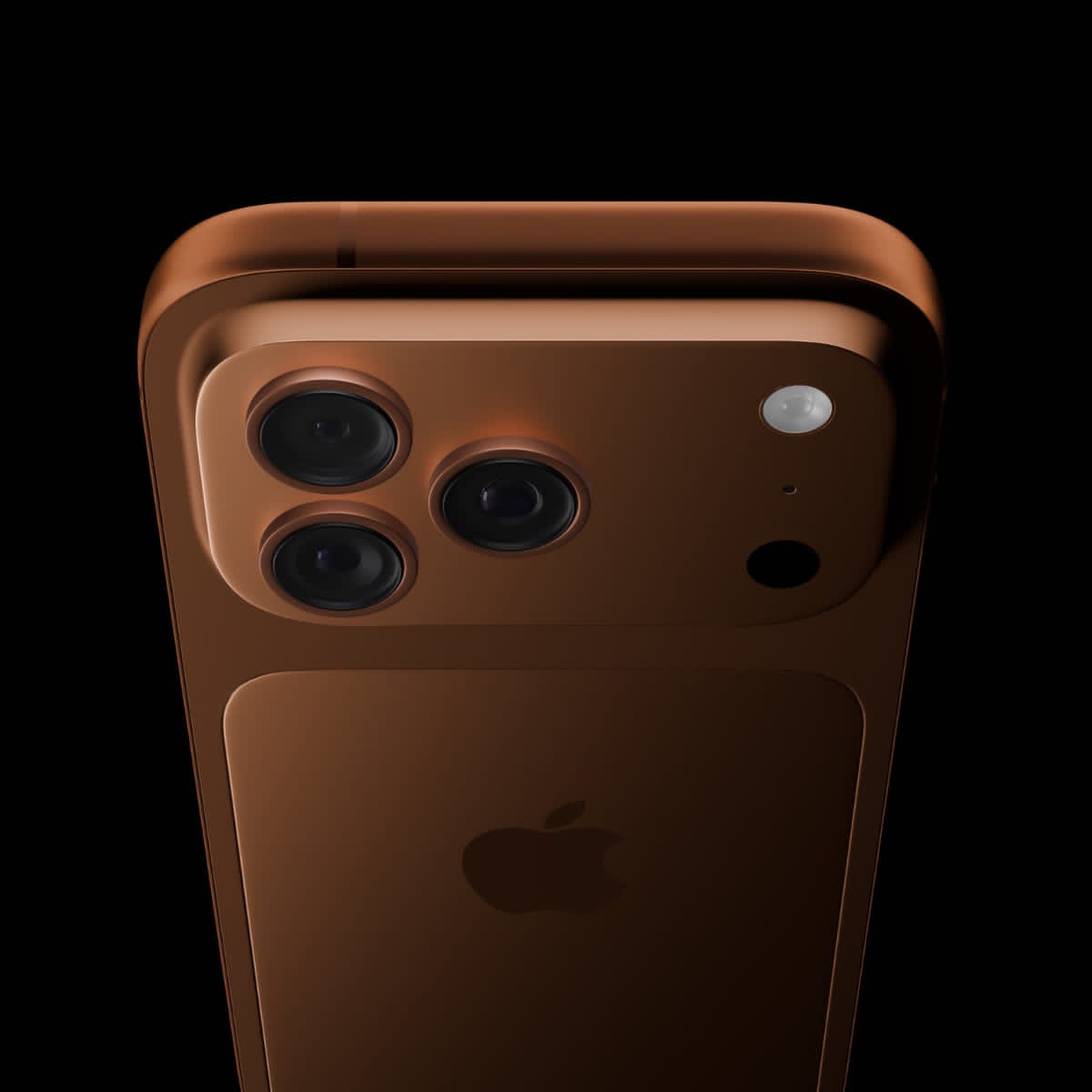

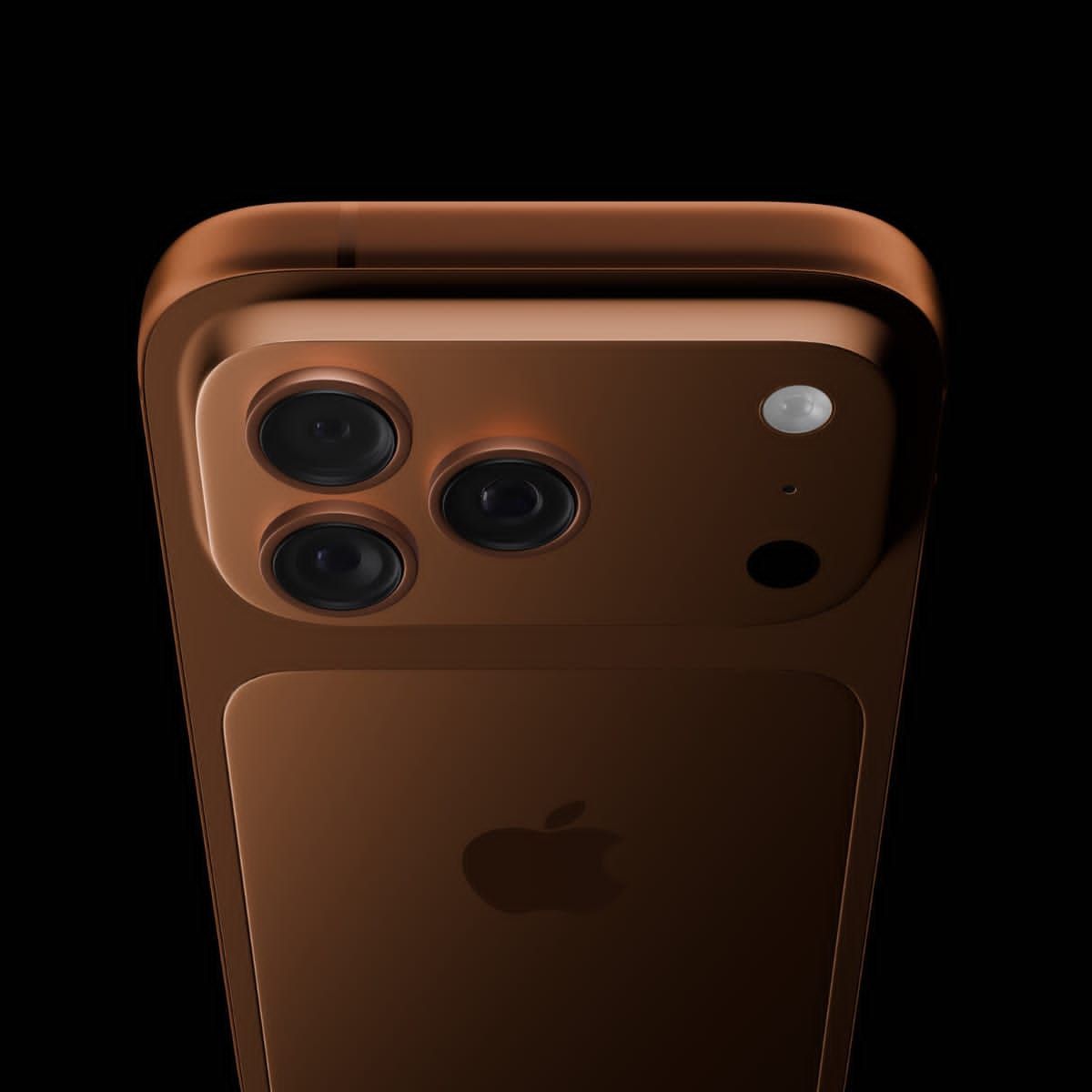
A subtle transformation is reshaping the social hierarchy among young women in Tchad. Across both modest neighborhoods and affluent districts, a new visual language has emerged, fueled by global social media trends. Today, the concept of a “modern young woman” is increasingly tied to elegance, social outings, and specifically the possession of high-end luxury items: designer apparel, professional-grade cosmetics, and premium smartphones—with the latest iPhone models serving as the ultimate trophy.
The smartphone as a social identity
In daily life, mobile devices have transcended their role as simple communication tools to become vital markers of social standing. Fati, a 21-year-old student at the HEC Tchad university, explains that an iPhone is practically a requirement for digital existence. She notes that without a high-quality device, social media users often fail to take a person seriously, as the quality of photos and overall online presentation depends entirely on the hardware in hand.
This sentiment is widespread among the youth in N’Djamena. Personal branding has become a 24/7 endeavor where the caliber of one’s phone, clothing, and surroundings dictates their social worth. In the capital, luxury is no longer just about wealth; it is a communication tool used to navigate a digital landscape where being seen is more important than being modest.
Mariam Senoussi, aged 24, highlights the pressure to maintain this facade, noting that appearing wealthy is often a prerequisite for being noticed. This drive for visibility frequently pushes young women to prioritize their appearance over other financial or professional goals.
The high cost of digital visibility
Digital platforms further drive this trend by saturating feeds with images of high-end lifestyles, including travel, dining, and expensive tech. However, these curated snapshots often mask a more difficult reality involving filters, debt, or financial instability. This constant exposure creates a cycle of social comparison and aesthetic pressure.
In the markets of N’Djamena, the price of the latest smartphones can exceed one million francs CFA, a sum far beyond the reach of most citizens. Despite this, the demand remains incredibly high. Issa Kally, a downtown phone retailer, observes that many young customers view these devices as a top priority, often saving for extended periods or finding creative ways to secure the funds.
Balancing aspirations and economic reality
Contrary to some assumptions, this focus on luxury does not imply a lack of work ethic. Many of these women are active in the informal economy, working in hairdressing, tailoring, or launching small online businesses. In an environment where stable, formal employment is scarce, achieving social mobility through appearance or informal entrepreneurship often feels more attainable than traditional career paths.
This phenomenon reflects an adaptation to a fragile economy and a global digital culture where image functions as a form of social capital. In Tchad, the pursuit of luxury and high-end technology is not necessarily a replacement for economic activity, but rather a tool for recognition in a society where visibility has become a valuable currency. Behind every carefully crafted post lies a complex story of modern aspirations meeting limited economic opportunities.