
Human rights in DRC: stark contrast between Kinshasa and eastern provinces
human rights in DRC: stark contrast between Kinshasa and eastern provinces
- Society
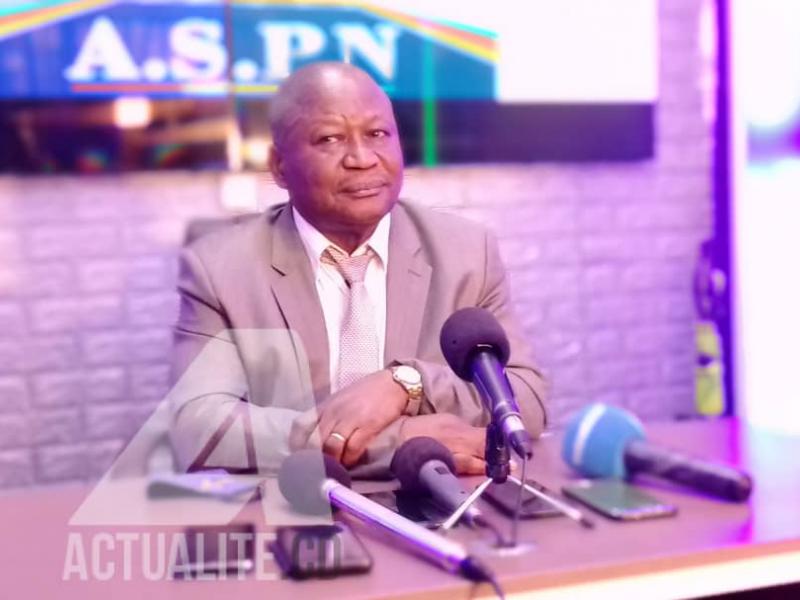
During a live Space debate organized Tuesday by journalist Stanis Bujakera Tshiamala, Paul Nsapu, Chair of the National Human Rights Commission (CNDH), delivered a nuanced assessment of the human rights situation under President Félix Tshisekedi’s administration. While acknowledging progress in legislative reforms, he highlighted a striking divide between two realities across the country.
In Kinshasa and other areas under central government control, Nsapu noted persistent violations of civil, political, economic, and social rights—including access to employment, healthcare, and education. These, he argued, stem from decades of systemic underdevelopment and failed governance, where successive regimes have neglected to improve the daily lives of citizens.
The situation in the eastern provinces, however, paints a far grimmer picture. In North Kivu, South Kivu, and parts of Ituri, Nsapu described a daily erosion of fundamental rights—the right to life, security, and personal freedom—as the most severe in the country. He specifically pointed to the presence of Rwandan military forces and their allied armed groups operating in areas beyond Kinshasa’s control as a critical aggravating factor.
Nsapu’s remarks underscore the dual challenges facing the Democratic Republic of Congo: structural rights violations rooted in governance failures in the west, and acute humanitarian crises fueled by foreign occupation and armed conflict in the east.