
Integrated health services bring vital care to Chad’s nomadic families
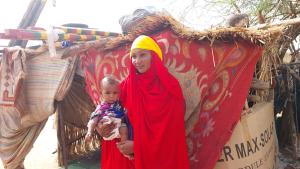
At the Mandjafa nomadic camp on the outskirts of N’Djamena, mothers like Afia travel long distances to access critical health services for their children. With her four-month-old daughter Fatma in tow, Afia is one of many in Chad’s pastoral communities who rely on mobile health interventions tailored to their mobile lifestyle.
For this mother of five, vaccines and preventive care are non-negotiable. « Vaccines keep my children healthy. Whenever they fall ill, I take them straight to the health center, » she explains. Her words reflect a growing movement in Chad to bridge the gap between nomadic families and essential health services.
The challenge of mobility in healthcare access
Nomadic communities in Chad—who represent about 3.5% of the national population—face unique barriers to healthcare. Seasonal migrations and remote locations often leave families without timely access to vaccination, nutrition supplements, or disease prevention tools. Traditional health systems struggle to reach these populations, making innovative approaches essential.
The government has turned to the One Health strategy, a collaborative framework uniting health, livestock, environmental, and agricultural sectors. This approach ensures that pastoral families receive integrated services where they live and work. On June 9, 2026, at Mandjafa, a One Health campaign provided health and veterinary services to 134 individuals, including 11 children. Over 96 animals were vaccinated alongside human immunizations, alongside vitamin A supplementation, deworming, and insecticide-treated mosquito nets.
One Health in action: protecting families and livestock
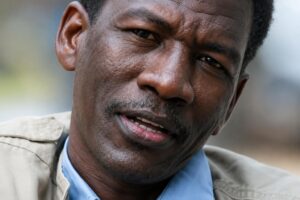
Youssouf Idriss, a local herder raising sheep, cattle, and camels near the camp, understands the stakes. « Our animals are our lifeline—they feed us and sustain our families. Their health is as important as ours, » he says. By combining animal and human health services, health workers maximize outreach, reducing the need for multiple trips to distant clinics.
Raphaël Neni, a veterinarian with the Ministry of Livestock, has seen firsthand how vaccination campaigns transform community health. « Since we expanded these services, we’ve seen a clear drop in preventable diseases among livestock. Herders themselves notice the difference, » he reports.
Beyond immediate health benefits, these integrated interventions reduce the risk of zoonotic diseases—illnesses that spread between animals and humans. This dual approach strengthens both public and animal health security in Chad’s pastoral zones.
A coordinated national response
The One Health platform, led by national coordinators like Professor Mahamat Béchir, oversees this cross-sector collaboration. « Early studies revealed alarming gaps in vaccination coverage among nomadic groups, » he notes. « We realized we had to adapt our strategies to their way of life. »
Over two decades, organizations like the World Health Organization have supported Chad in strengthening this approach. Dr. Tamadji Mbaïhol, who oversees routine immunization at WHO Chad, has witnessed the power of tailored interventions. « Nomadic families actively seek health services when they’re accessible where they are. The key is meeting them where they live, » he emphasizes.
The platform’s success hinges on collaboration between ministries and technical partners. « WHO’s support has been pivotal in unifying sectors around shared health priorities. Together, we’re making measurable progress, » says Professor Béchir.
Looking ahead: sustainable health for Chad’s nomads
As Afia prepares to return home with Fatma, she leaves with more than just vaccination records—she carries a message for other parents: « If a child falls ill, act fast. Take them to the health center immediately. It’s the best way to protect their health. »
The One Health initiative is more than a health program; it’s a lifeline for Chad’s mobile communities. By delivering integrated services in one visit, it reduces travel burdens, prevents disease, and safeguards the livelihoods of families who depend on their herds. For nomadic mothers like Afia, this means fewer worries—and healthier futures.