
Is Burkina Faso’s popular revolution a reality or just a dream?
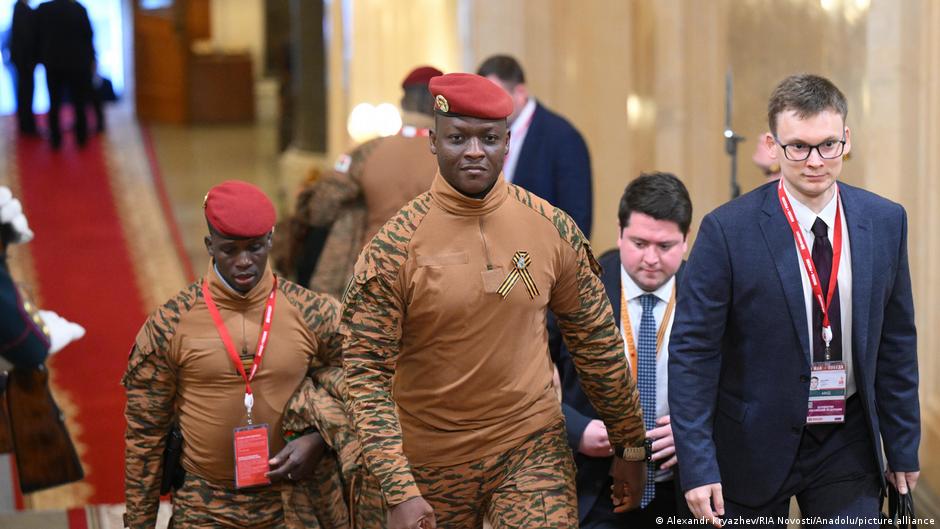
The adoption of Burkina Faso’s Revolutionary Charter has reignited debates about the nation’s future, particularly as Captain Ibrahim Traoré’s stance on democracy continues to spark intense discussions. Under the Arbre à Palabres, a traditional platform for dialogue, these critical issues are being examined by leading voices in the country.
The captain seized power in late September 2022, initially pledging to hold temporary authority. However, his administration has since consolidated control, implementing sweeping measures while invoking the legacy of revolutionary leader Thomas Sankara. Critics argue that his regime’s actions contradict the democratic principles Sankara championed during his time in office from 1983 to 1987.
In late March, the Progressive Popular Revolution Charter (RPP) was unanimously endorsed by members of the Transitional Legislative Assembly (ALT). This new charter replaces the 2024 Transitional Charter, signaling a shift in Burkina Faso’s political direction. However, the move has drawn sharp criticism from international observers, including Amnesty International, which has called on military authorities to immediately reverse the dissolution of over a hundred civil society organizations—many of which focus on human rights advocacy.
As Burkina Faso marks the halfway point of its participation in the Alliance of Sahel States (AES)—formed on September 16, 2023—questions about its political trajectory and regional alliances remain pressing. The debate under the Arbre à Palabres seeks to address these challenges, offering insights into the country’s evolving governance and its role within the Sahel.
voices shaping the conversation
- Teehl Loé Konaté, a project coordinator and analyst specializing in Pan-African dynamics and international relations. He also serves as deputy secretary-general of Kamita, a civil society organization dedicated to cultural, historical, and forward-looking African studies.
- Paul Amegakpo, president of the Tamberma Institute for Governance (ITG).
- Mayra Djibrine, president of the Sahel Democrats Alliance.
For the full discussion, listen to the audio segment in the center of this page.
what’s next for Burkina Faso’s revolution?
The Revolutionary Charter’s adoption marks a pivotal moment, but its implementation will determine whether these changes reflect a genuine transformation or merely symbolic gestures. As the captain’s government navigates internal dissent and external scrutiny, the debate over Burkina Faso’s future continues to unfold.