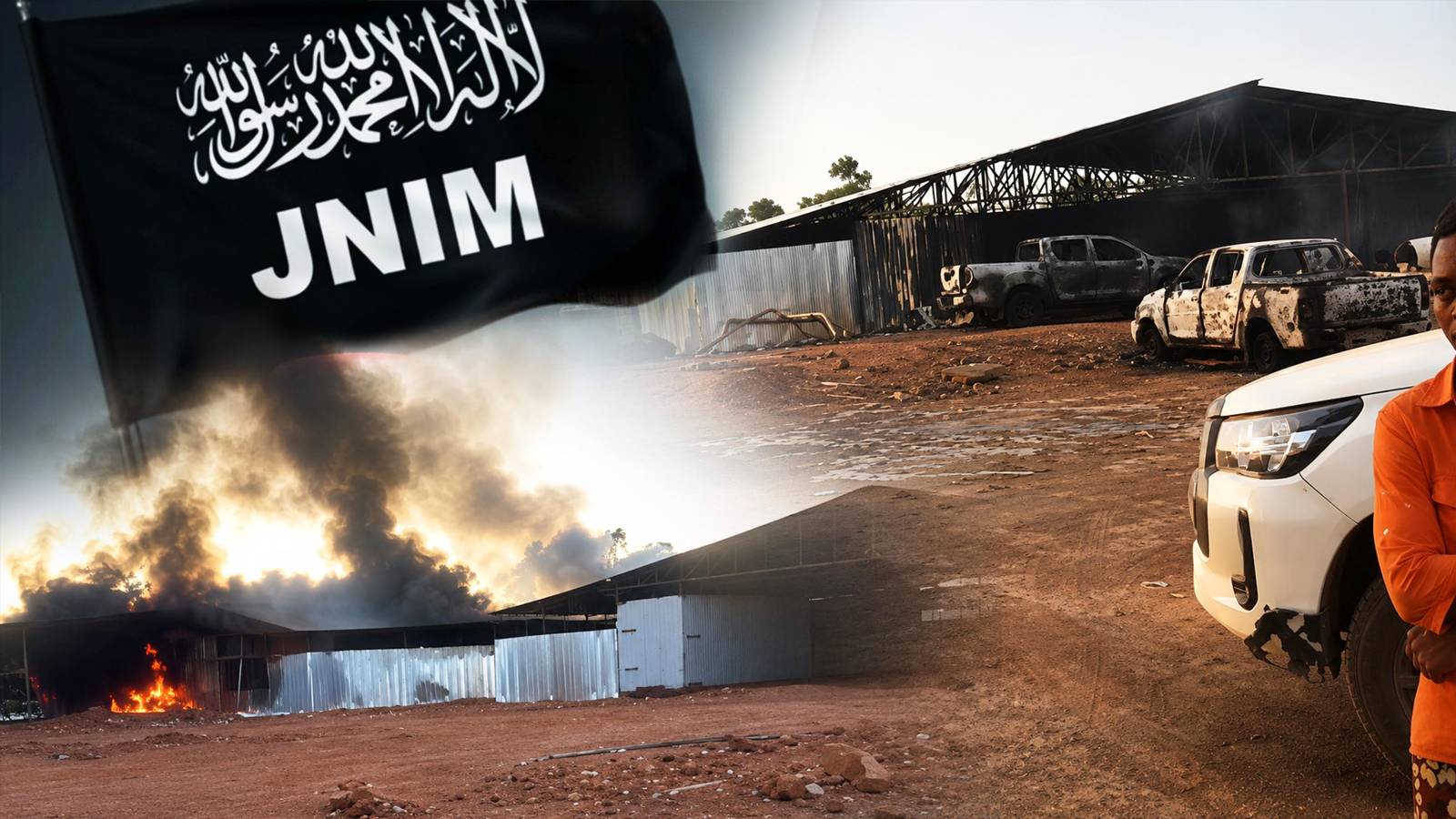

The Group for the Support of Islam and Muslims (JNIM) has once again demonstrated its operational reach in Mali with a brazen assault on a Chinese-owned mining site in Naréna, near the Guinea border. The attack, which left nine Chinese nationals missing, underscores a troubling trend: the Malian Armed Forces (FAMa) and their Russian allies are struggling to maintain control over key economic corridors.
a carefully planned strike with devastating impact
A coordinated nighttime operation saw heavily armed militants, moving swiftly on motorcycles and four-wheel-drive vehicles, overrun the Naréna mining compound in the Kangaba district. While the assailants methodically torched production equipment, generators, and administrative buildings, the human toll was even more severe—nine Chinese workers were abducted and spirited away into the wilderness, likely for future leverage in negotiations with both Bamako and Beijing.
military collapse: FAMa and Wagner’s empty promises
The raid in Naréna lays bare the FAMa’s inability to secure critical infrastructure, even in areas previously considered safe. Once confined to the country’s northern and central regions, jihadist violence has now crept into the south and west, threatening the nation’s economic lifelines. The fact that militants could seize a major industrial site so close to an international border exposes the complete breakdown of Mali’s security apparatus.
Meanwhile, the much-touted Russian military partnership—including the controversial Africa Corps (formerly Wagner Group)—has proven ineffective. Designed for brutal counterinsurgency tactics, these forces lack the intelligence and adaptability needed to protect civilian assets or engage in high-stakes asymmetric warfare. Their presence has done little to deter JNIM’s expansion, with attacks now edging closer to the capital and vital mining zones.
China’s economic interests under fire: a geopolitical warning
By targeting Chinese investments, JNIM has struck at the heart of Mali’s economy. Beijing remains Bamako’s top trade and infrastructure partner, particularly in gold mining and construction. This attack sends a stark message: the Malian state can no longer guarantee the safety of foreign investors. The incident may force China to reassess its Sahel strategy, potentially pressuring the junta to implement measures it has so far failed to deliver.
what’s next for Mali’s spiraling crisis?
The Naréna assault marks a dangerous escalation in Mali’s unraveling security situation. JNIM’s ability to strike at will, even deep in the southwest, highlights the FAMa’s and its allies’ structural weaknesses. Without a radical shift in strategy—one that prioritizes both civilian protection and economic stability—the country risks descending further into lawlessness, with far-reaching consequences for the entire Sahel region.