
April 26, 2026, is etched as a somber day in Mali’s history. On this critical date, Kidal, a city Bamako viewed as a powerful emblem of renewed national strength, unexpectedly reverted to rebel control. Beyond the significant military setback, the most startling revelation was the conduct of Russia’s Africa Corps, comprising former Wagner operatives. Amidst fierce engagements, these forces opted to negotiate their own withdrawal rather than actively participate in the defense.
A sweeping offensive overwhelms defenses
The weekend of April 25 witnessed a rapid and devastating escalation. A formidable coalition, including FLA rebels and JNIM jihadists, unleashed coordinated assaults across Mali, stretching from Kati to Gao. Their strategic objective was unambiguous: to overextend the national army, thereby facilitating the capture of Kidal.
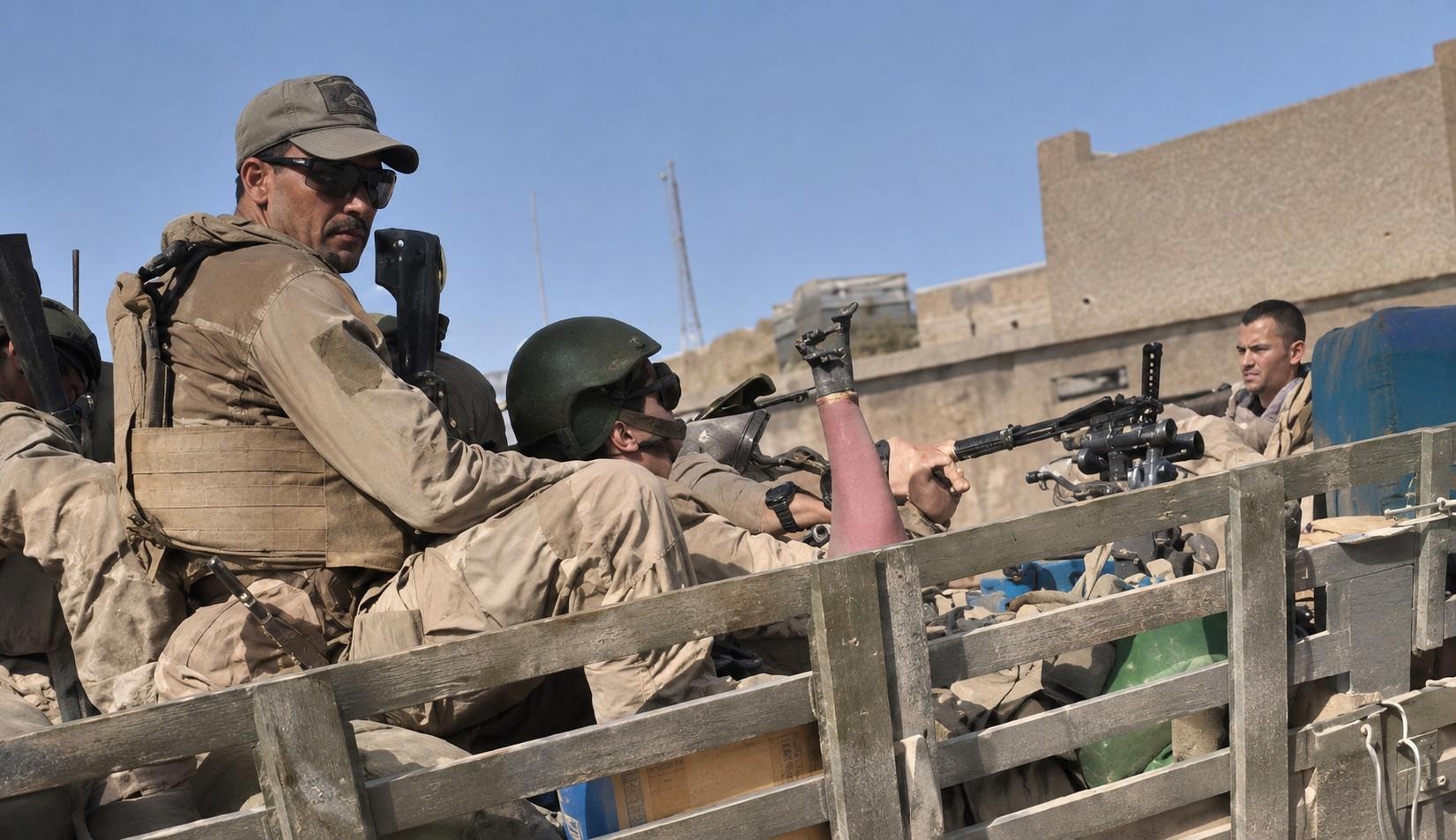
Confronted by this overwhelming “storm,” the Russian contingent, previously portrayed as an indomitable fighting force, reportedly succumbed to panic. Rather than initiating a counter-offensive, their primary focus shifted to ensuring their own survival.
The “corridor of shame”: negotiating with adversaries
News of the Russian command’s direct negotiations with rebel factions to secure safe passage out of Kidal, avoiding direct combat, sent shockwaves. This extraordinary development allowed their forces to depart the city unharmed.
- The terms of agreement: In exchange for abandoning their strategic positions and a portion of their heavy weaponry, the Russian personnel were granted a “corridor”—a secure route—to retreat towards Gao, transporting their wounded.
- The abandonment of Malian forces: This abrupt departure, officially termed a “repositioning,” left the Malian Armed Forces (FAMa) isolated and exposed. They found themselves without crucial air support or logistical aid, stranded in the heart of an active conflict zone.
The shattering of an illusion
This incident vividly exposed the inherent limitations of relying on Russian mercenaries. In Kidal, their actions did not reflect those of steadfast allies, but rather those of private contractors prioritizing their own assets—be it personnel or profit—over shared objectives.
- Profit over partnership: Russia’s involvement in Mali is primarily driven by geopolitical influence and access to valuable gold mines. When combat scenarios become excessively perilous or financially burdensome, their forces have demonstrated a readiness to withdraw, even at the cost of humiliating the Malian government.
- Questionable engagements: Furthermore, certain intelligence reports suggest that Russian elements engaged in discussions with jihadist groups to ensure their neutrality during the decisive assault. Such allegations raise profound questions regarding the trustworthiness of a partner who negotiates with the very adversaries they are purportedly deployed to confront.
The indelible lesson from Kidal
The Kidal withdrawal in April 2026 irrevocably marked the demise of the “Russian solution” narrative. By prioritizing their own preservation over the defense of the embattled city, Russian forces unequivocally demonstrated their unreliability as enduring partners.