
Lomé port faces strike threat: regional economy on edge
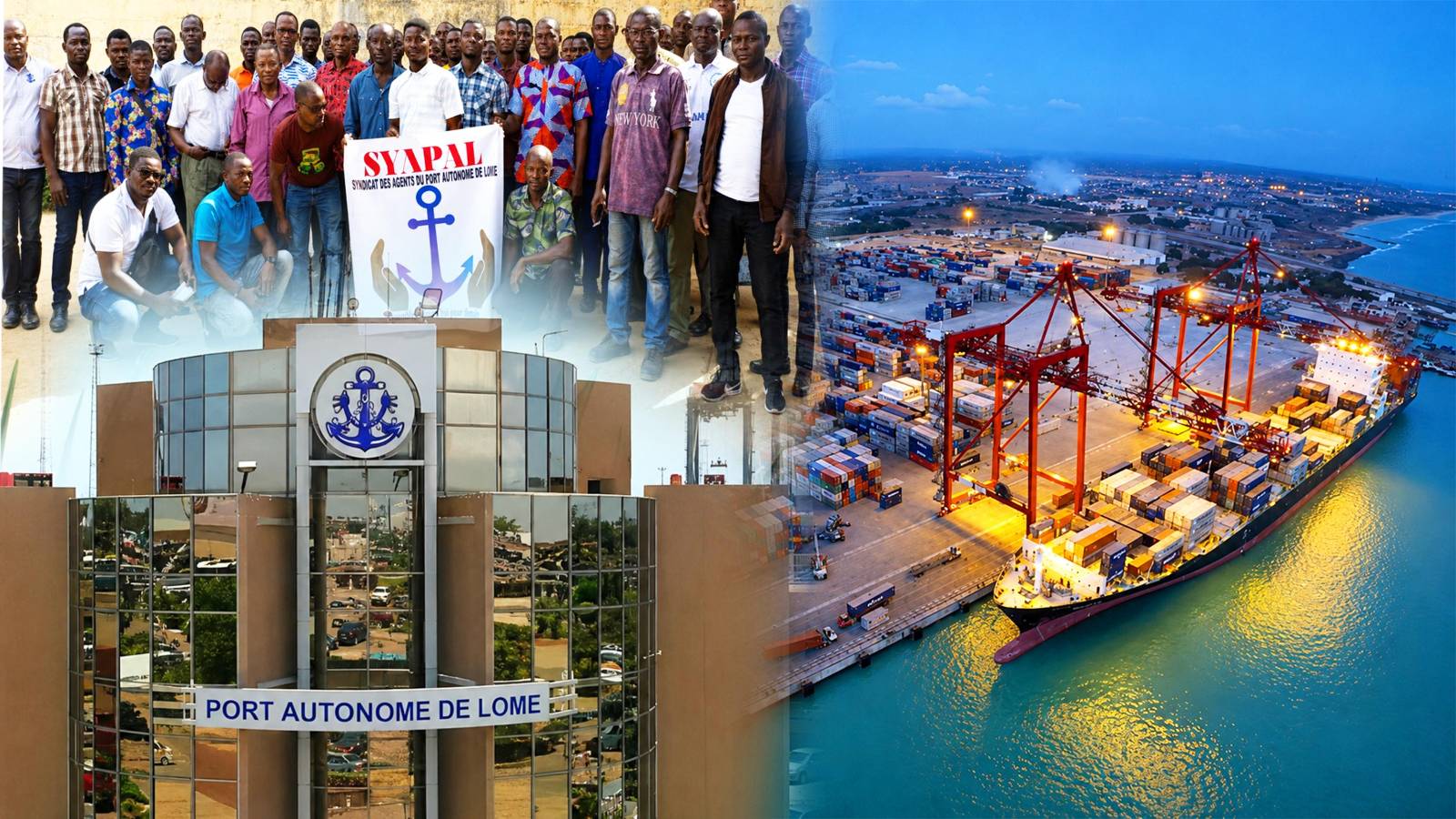
The economic engine of Togo is bracing for significant disruption. The union representing employees of the Port Autonome de Lomé (PAL) has officially submitted a three-day strike notice, scheduled from 25 to 27 June 2026. Workers intend to protest the lack of tangible progress on their social demands, raising the risk of a major operational standstill.
A social standoff with severe repercussions
At the heart of the conflict lies stagnating social dialogue. Despite several rounds of negotiations, union representatives lament the “non-satisfaction” of their grievances, which primarily focus on improvements in working conditions, salary adjustments, and social benefits.
Without an agreement by 25 June, a complete work stoppage is expected. For the Port Autonome de Lomé, the only deep-water port in the subregion capable of accommodating third-generation vessels, such a technical and administrative paralysis would represent a sudden halt.
A strategic hub for the hinterland under threat
The impact of this labour action extends well beyond Togolese borders. As a key maritime crossroads, PAL serves as the natural gateway for goods destined for several landlocked Sahelian countries.
Countries most affected:
- Burkina Faso
- Mali
- Niger
A 72-hour rupture in the supply chain would inevitably cause terminal congestion, cascading delivery delays, and exorbitant demurrage fees (container detention charges) for economic operators.
Last-ditch mediation on the horizon?
Faced with this worst-case scenario, PAL management and the relevant ministerial authorities are under mounting pressure. The Togolese government, which has made the modernisation and competitiveness of its logistics hub a cornerstone of its strategic roadmap, can ill afford a prolonged social conflict.
For now, the business community and licensed customs brokers are holding their breath, hoping for the swift initiation of a last-ditch mediation to defuse the crisis before the critical date of 25 June.