
Mali blocus JNIM Bamako civil circulation crisis
Mali blocus: JNIM’s blockade in Bamako triggers humanitarian crisis
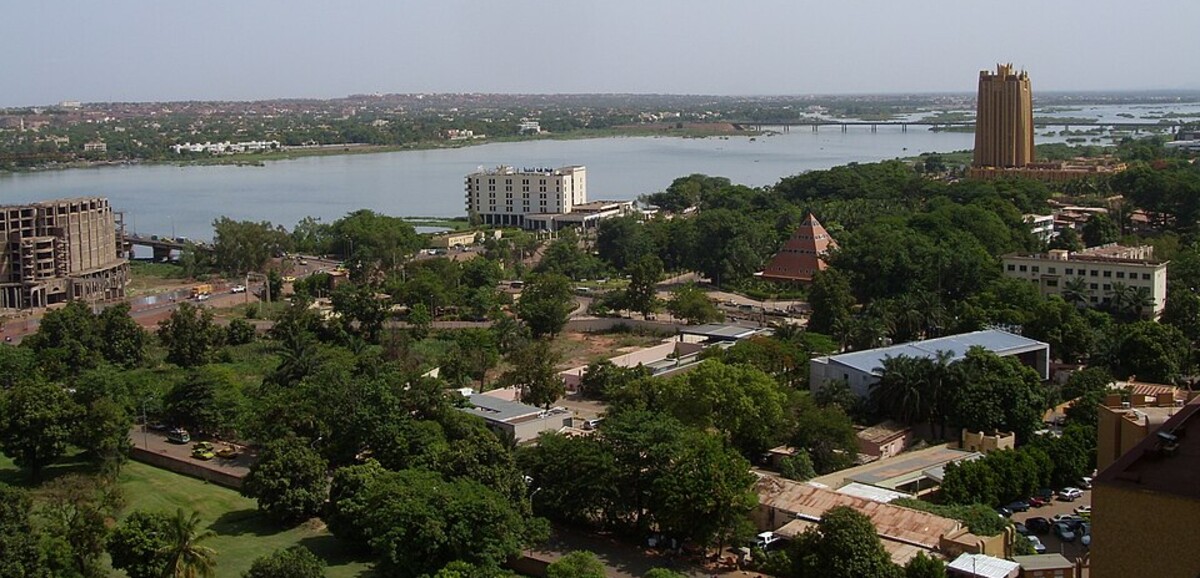
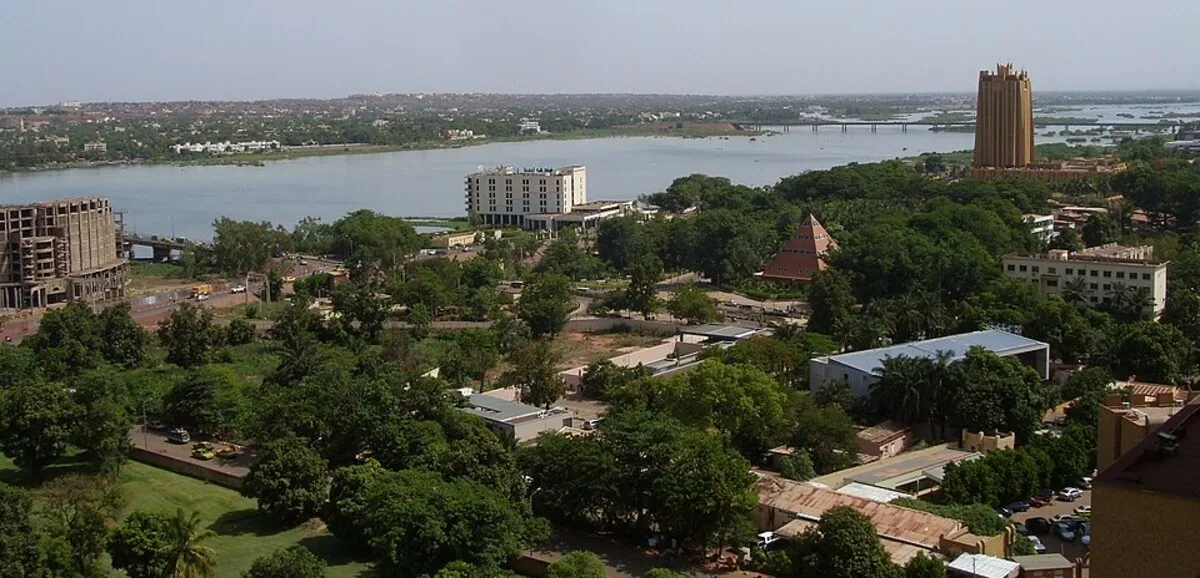
The capital of Mali, Bamako, has been under siege since April 30, with jihadist forces from the Group for the Support of Islam and Muslims (JNIM) enforcing a strict blockade. This action has drawn sharp criticism from Amnesty International, which warns of severe consequences for civilian safety and mobility.
Humanitarian fallout of the blockade
The international rights watchdog has condemned the blockade as having “unacceptable consequences” for civilians, emphasizing the severe threat to their fundamental rights. According to Amnesty International, the siege disrupts access to essential services, including food, healthcare, and safe passage, violating international humanitarian law.
Marceau Sivieude, Amnesty International’s Regional Director, stressed that “attacks on civilian vehicles—especially those transporting goods like food between Bamako and Bougouni—are illegal. All warring parties must distinguish between combatants and civilians at all times, as required by international law.”
On May 6, a convoy of trucks carrying civilian goods was reportedly targeted near Bougouni. The incident, which occurred without military escort, underscores the growing risks faced by transport companies operating in the region. Several logistics firms have since suspended services to and from Bamako, exacerbating the city’s isolation.
Background: escalating tensions in Mali
The blockade follows coordinated attacks on April 25 and 26 by the JNIM, in alliance with Al-Qaeda, and the Azauad Liberation Front (FLA). These offensives targeted key military positions, signaling a new phase in the conflict gripping the West African nation. The junta-led government has faced mounting pressure amid the ongoing security crisis.
The siege of Bamako has intensified concerns over the city’s vulnerability, as civilians bear the brunt of the escalating violence. Aid organizations and local authorities are struggling to mitigate the humanitarian impact, with supplies and medical assistance increasingly difficult to deliver.