
Mali jihadist blockade tightens around Bamako amid Manantali strikes
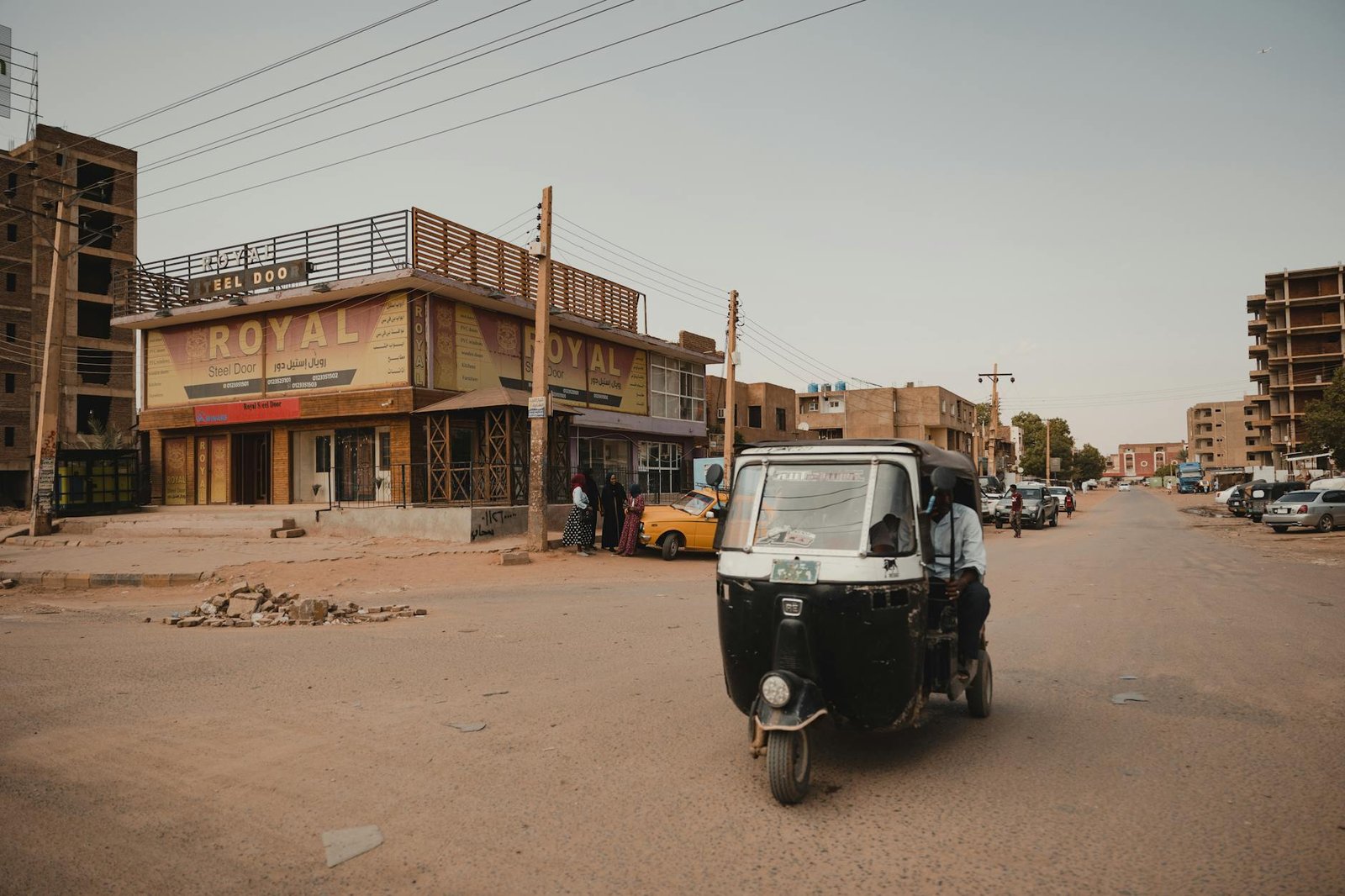
In Mali, the blockade enforced by the Jama’at Nusrat al-Islam wal Muslimin (JNIM), an al-Qaeda-affiliated jihadist group, has escalated dramatically over the past weekend. Militants torched at least ten passenger buses along the critical Ségou-Bamako corridor, the primary supply route feeding the capital from eastern regions. Simultaneously, armed factions targeted and disabled electrical infrastructure linked to the Manantali hydroelectric dam in Kayes, further straining the country’s already fragile energy grid.
The Malian Armed Forces (FAMa) continue counter-offensives on multiple fronts, yet their efforts have not yet succeeded in easing the economic stranglehold strangling Bamako and other urban centers. Fuel shortages, exacerbated by systematic ambushes on tanker convoys from Senegal and Côte d’Ivoire, have turned into a deliberate tool of pressure against the transitional government led by General Assimi Goïta. Once relatively shielded from the worst impacts of the conflict, the capital now finds itself at the heart of an attritional war.
Manantali: a strategic target in a war of attrition
The assault on Manantali is far from incidental. Operated under a tripartite framework involving Mauritania, Senegal, and Mali through the Senegal River Basin Development Authority (OMVS), the dam is a linchpin of Mali’s electricity supply. By disabling its transmission lines, JNIM is no longer merely challenging state security forces—it is striking at the nerve center of urban life. Power cuts ripple through hospitals, markets, and factories, immediately paralyzing public services and economic activity.
This escalation follows weeks of relentless attacks on fuel shipments transiting from Senegal and Côte d’Ivoire. The jihadists aim to weaponize scarcity, betting on public frustration undermining support for the transitional authorities. Bamako, long spared the worst of the conflict’s effects, has become the main battleground in this war of economic exhaustion.
Military pushback and fragile relief
The Malian army reports ongoing ground and aerial operations across several regions, including escorted fuel convoys that have recently reached Bamako, temporarily alleviating pressure at gas stations. Yet this respite remains fragile. Each convoy demands substantial military resources, and the prospect of securing national roads in the long term appears increasingly distant.
FAMa faces a dual challenge. In central and western Mali, JNIM continues to ambush convoys and destroy critical infrastructure. In the north, particularly around Kidal, tensions simmer in a tense stalemate, with clashes with Permanent Strategic Framework rebels likely imminent. The transitional government is now stretched across two critical fronts, with dwindling manpower and resources.
Regional tensions rise as blockade spills across borders
The blockade’s impact extends well beyond Mali’s borders. Neighboring economies—including Senegal, Mauritania, and Côte d’Ivoire—are increasingly alarmed by the disruption of West African trade corridors. Slowdowns in goods transit are straining ports in Dakar and Abidjan, where a significant share of cargo traditionally moves inland toward the Sahel. The Alliance of Sahel States, comprising Mali, Burkina Faso, and Niger, has yet to forge a unified response to the economic warfare waged by jihadist factions.
The attack on Manantali also raises urgent questions about shared infrastructure under OMVS management. Further damage could directly affect electricity supplies in Senegal and Mauritania, transforming a localized crisis into a regional emergency. International partners—ranging from development lenders to military suppliers—now face a delicate balancing act: supporting Bamako’s sovereignty claims while safeguarding critical transboundary assets.
On the ground, the gap between the army’s operational claims and the stark reality of a capital under siege underscores the conflict’s evolving nature. JNIM is no longer content with territorial control—it seeks to suffocate the Malian state itself. Renewed fighting is expected in the coming days, particularly around Kidal, intensifying pressure on a government already struggling to maintain stability.