
Mali suspends heavy motorcycle traffic to curb security threats
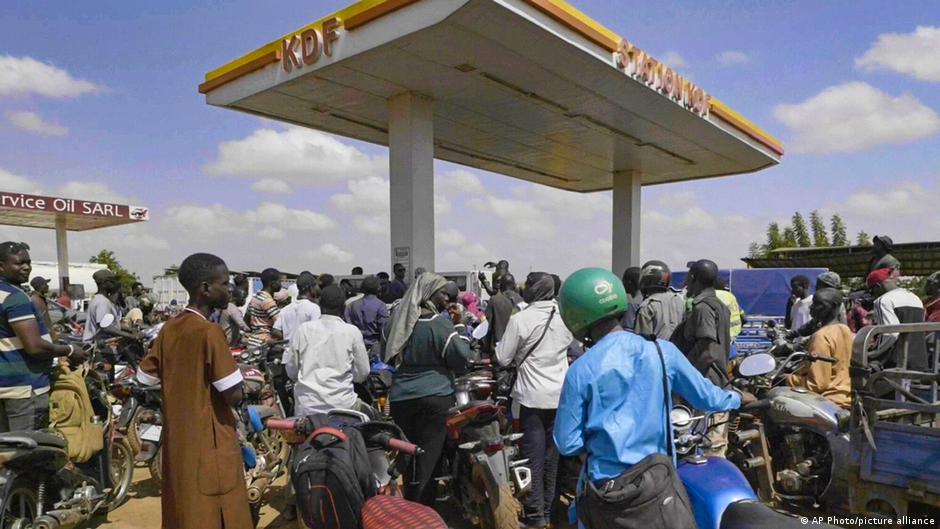
The Malian authorities have imposed a one-year ban on the circulation of high-powered motorcycles outside major urban centers, with the possibility of renewal. This measure, announced through an interministerial decree and broadcast on national television, aims to curb the mobility of armed groups operating in the country. The restrictions extend to the import, transit, sale, and distribution of these two-wheeled vehicles nationwide for the same duration.
The ban covers motorcycles with an engine displacement of 125 cc or more, exempting only the District of Bamako and the regional, district, and arrondissement capitals. However, regional governors retain the authority to adapt or further restrict these measures based on local security conditions.
Local realities clash with security directives
Residents in rural areas, particularly in the Dogon Country region, express skepticism about the feasibility of this ban. They argue that high-powered motorcycles are indispensable for navigating the rugged, mountainous terrain where steep slopes and rough roads make them the primary mode of transport.
“These motorcycles are essential for everyone here,” said a local from Bandiagara, who requested anonymity. “From our armed forces and humanitarian workers to farmers and health workers, we all rely on them. In our area, they even serve as ambulances to transport the sick to healthcare facilities.”
In Mopti, another central region, owners of heavy motorcycles are already feeling the impact. Many have parked their vehicles, fearing penalties, despite using them daily for agricultural, livestock, or fishing activities in surrounding villages. One resident noted, “I delivered bread to remote villages near Mopti. Now, I’m left without a way to reach them.”
Balancing security and daily life
The government’s decision comes in response to a series of high-profile attacks in late April 2026, attributed to jihadist groups like the Jama’at Nusrat al-Islam wal Muslimeen (JNIM) and their allies in the Azawad Liberation Front (FLA). These groups have exploited the mobility of heavy motorcycles to carry out coordinated assaults on multiple towns.
While the ban is seen as a necessary step to enhance security, analysts warn of its potential social and economic repercussions. For many Malians, particularly in rural areas, these motorcycles are not just a means of transport but a lifeline connecting them to markets, healthcare, and essential services.