Mali’s shrinking media space and concentrated power dynamics
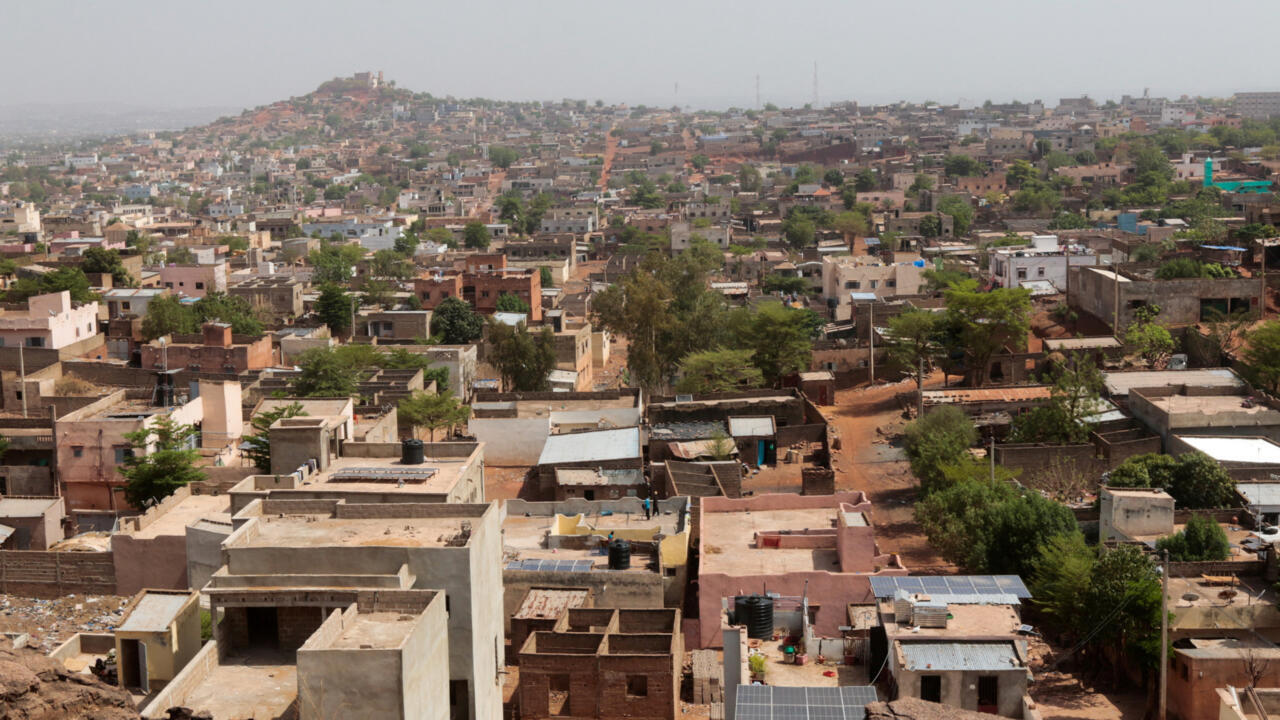
In recent months, nations like Iran, Gaza, Russia, Venezuela, and Mali have frequently dominated global headlines, often due to concerning developments. Yet, an overlooked paradox exists: access to free and independent journalism in these crucial regions is largely obstructed. Authorities actively hinder reporting, determined to control the narrative presented to the world.
This pattern of media control is starkly evident in Mali. Following significant attacks by jihadist and Tuareg separatist groups on April 25, the broadcast of most French-language media outlets has been suspended, with accusations of “disinformation” leveled against them. This tactic is not unique to Mali; similar restrictions have been imposed by governing bodies in Niger and Burkina Faso. Across these Sahelian nations, there is a palpable and progressive closure of the information landscape. Governments are actively engaging in campaigns to shape public narratives, censor dissenting voices, and penalize those who challenge the official line. Indeed, the Sahel is increasingly becoming an ‘information gulag’ for its citizens, where journalists operating within Mali, Niger, and Burkina Faso face constant threats and intimidation. This fosters an environment where citizens are effectively ‘zombified’ – indoctrinated into a singular perspective, much like during the Soviet era. It is perhaps no coincidence that these nations share increasing affinities with Vladimir Poutine’s Russia.
No criticism of Russia tolerated in Mali
In Bamako, any dissent regarding Russia is met with swift action. The recent case of Ibrahima Tamega, a pro-democracy activist advocating for a return to constitutional rule, illustrates this point. On May 23, Tamega was apprehended in the Malian capital, suspected of involvement in anti-Moscow graffiti. He reportedly spent several days detained at a police station in Bamako’s third district. While seemingly a minor incident, this situation carries significant political weight. Since its break with Paris, the Malian government has positioned its burgeoning relationship with Moscow as a cornerstone of its sovereignty narrative. Russia is consistently portrayed as a respectful partner that offers support without imposing conditions, assisting the Malian Armed Forces in reclaiming national territory. No alternative interpretation is permitted. The Tamega affair underscores the government’s acute sensitivity to any critique of its strategic new ally. In an already constrained political environment, where parties, opposition figures, and activists operate under immense pressure, a simple wall inscription transforms into an act of profound defiance. The subsequent police response serves as a clear message to anyone considering challenging the Bamako-Moscow axis, impacting Sahel current affairs and on the ground Sahel reporting.
Prioritizing the leader over national security
Further insights into Mali’s current trajectory highlight a concerning trend: the personalization of power around General Assimi Goïta poses significant risks. Goïta, who now holds both the Head of State and Defense Minister portfolios, has progressively centralized authority within the presidency. As power increasingly consolidates around a single figure, decision-making becomes primarily driven by personal loyalty rather than the broader interests of the military or the nation. This concentration of power often erodes the institutional foundations essential for effective governance and long-term stability. The armed forces, for instance, may find themselves restructured not for optimal operational efficiency but rather to safeguard the leader against potential rivals and internal threats. On the battlefield, such dynamics can severely impair coordination and diminish the military’s overall capacity to effectively counter insurgent violence, a critical challenge for the Mali Niger Burkina reporting landscape.