
Listen to this articleAbout 5 min
A political declaration from the legislative chamber
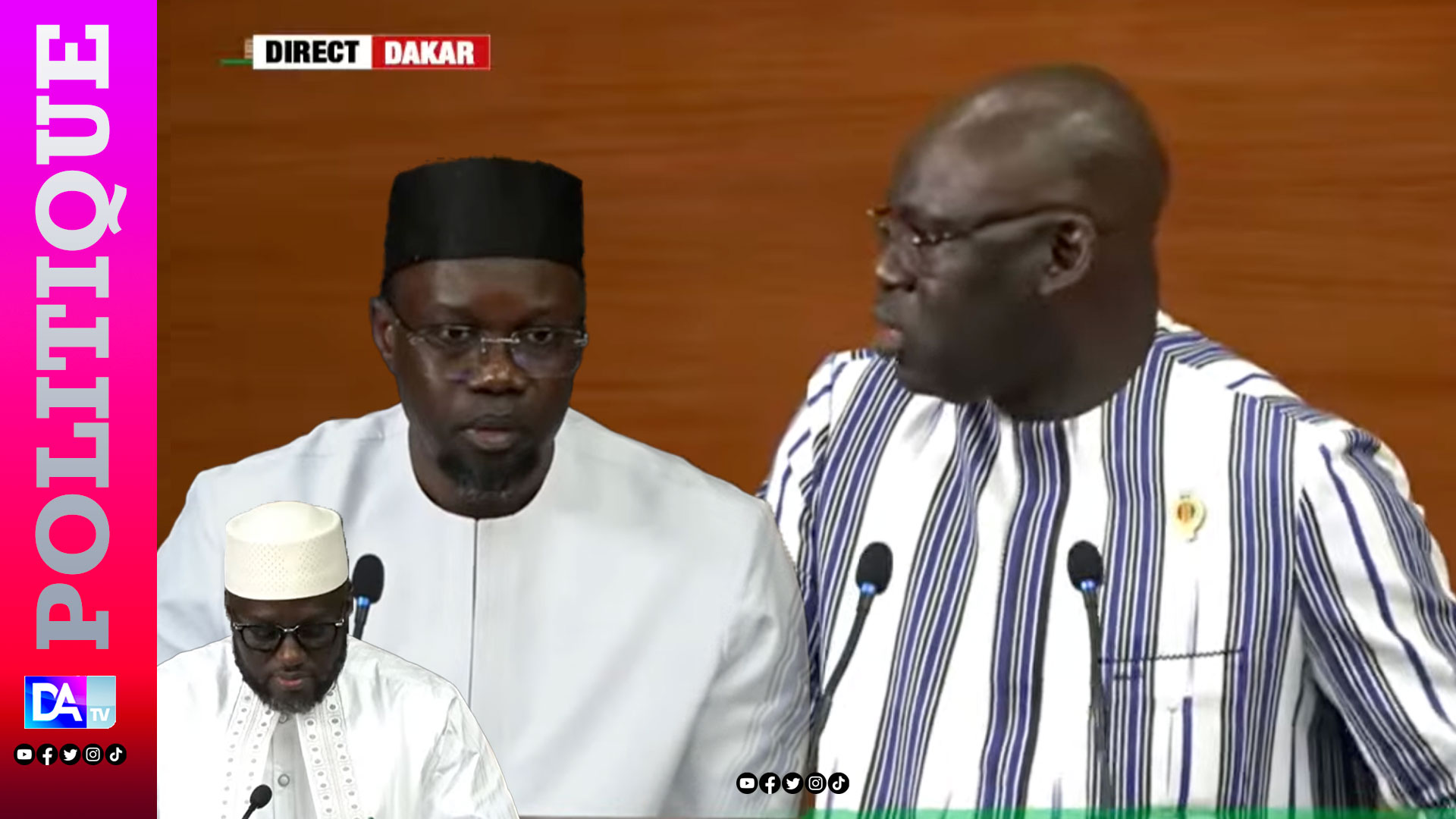
Deputy Mbaye Dione’s address before the National Assembly extended beyond purely economic discussions concerning the IMF, national debt, or local government endowments. In the concluding segment of his speech, the parliamentarian chose to broaden his remarks to encompass the national political landscape and the prevailing climate between the ruling power and the opposition.
Directly addressing the President of the National Assembly, he requested that a crucial message be conveyed to Ousmane Sonko. Dione underscored the solemnity of this message, particularly given what he described as an unprecedented period of political tension.
“We are not his enemies”
The most impactful statement from his intervention undoubtedly resonated: “We are not his adversaries. We stand as his political opponents.”
Through this emphatic declaration, Mbaye Dione sought to delineate a distinct boundary between legitimate political opposition and personal animosity. For him, challenging a government, a majority, or a specific political direction does not equate to working against the nation, much less being an enemy of those in power.
The deputy thus reiterated that the Senegalese opposition upholds a republican posture. It intends, in his words, to fully exercise its role within the democratic debate, offering support to the government when deemed necessary, but also opposing when it considers it beneficial.
A reminder of Ousmane Sonko’s past as an opposition figure
Mbaye Dione also referenced Ousmane Sonko’s own political history to underscore his points. He recalled that Sonko himself was once a prominent opposition figure and frequently utilized institutional platforms to articulate his disagreements.
According to the deputy, Ousmane Sonko must now, in turn, accept that other political leaders may not share his positions. He maintained that dissent is an inherent component of a functioning democracy.
For Mbaye Dione, one who opposed yesterday must be capable of accepting opposition today. He therefore called for a form of political coherence in how adversaries are treated.
The National Assembly must not become a forum for settling scores
In his address, Mbaye Dione further emphasized the National Assembly’s pivotal role in the nation’s institutional balance. He reminded listeners that this institution holds significant standing within the Republic and must remain a vital space for debate, oversight, and accountability.
The deputy cautioned against any attempts to transform the legislative chamber into a venue for personal clashes or political score-settling. In his view, the National Assembly must serve the country, not become a theater for confrontations between factions.
This warning reflects a broader concern: preserving the dignity of Parliament and the integrity of democratic discourse.
A responsible opposition asserts its role
Mbaye Dione was keen to portray the opposition as a responsible force, deeply committed to republican principles. He indicated that opposition deputies are not driven by systematic obstruction but by a vigilant approach.
“We will conduct ourselves as responsible republicans and courageous opponents,” he essentially declared.
Through these words, the deputy aimed to champion an opposition capable of supporting sound decisions while firmly contesting those it deems contrary to the national interest.
A call for political de-escalation
Beyond the direct interpellation of Ousmane Sonko, Mbaye Dione’s intervention resonated as an urgent appeal for de-escalation in the relations between the ruling power and the opposition. The parliamentarian urged the new authorities to acknowledge the legitimacy of political contradiction.
His core message rested on a simple idea: in a democracy, governing does not equate to silencing dissent, nor does opposition imply working against the nation’s best interests.
By reminding all that opponents are not enemies, Mbaye Dione thus sought to re-center the political debate on institutional and republican grounds within Senegal.
Deputy Mbaye Dione’s address before the National Assembly extended beyond purely economic discussions concerning the IMF, national debt, or local government endowments. In the concluding segment of his speech, the parliamentarian chose to broaden his remarks to encompass the national political landscape and the prevailing climate between the ruling power and the opposition.
Directly addressing the President of the National Assembly, he requested that a crucial message be conveyed to Ousmane Sonko. Dione underscored the solemnity of this message, particularly given what he described as an unprecedented period of political tension.
“We are not his enemies”
The most impactful statement from his intervention undoubtedly resonated: “We are not his adversaries. We stand as his political opponents.”
Through this emphatic declaration, Mbaye Dione sought to delineate a distinct boundary between legitimate political opposition and personal animosity. For him, challenging a government, a majority, or a specific political direction does not equate to working against the nation, much less being an enemy of those in power.
The deputy thus reiterated that the Senegalese opposition upholds a republican posture. It intends, in his words, to fully exercise its role within the democratic debate, offering support to the government when deemed necessary, but also opposing when it considers it beneficial.
A reminder of Ousmane Sonko’s past as an opposition figure
Mbaye Dione also referenced Ousmane Sonko’s own political history to underscore his points. He recalled that Sonko himself was once a prominent opposition figure and frequently utilized institutional platforms to articulate his disagreements.
According to the deputy, Ousmane Sonko must now, in turn, accept that other political leaders may not share his positions. He maintained that dissent is an inherent component of a functioning democracy.
For Mbaye Dione, one who opposed yesterday must be capable of accepting opposition today. He therefore called for a form of political coherence in how adversaries are treated.
The National Assembly must not become a forum for settling scores
In his address, Mbaye Dione further emphasized the National Assembly’s pivotal role in the nation’s institutional balance. He reminded listeners that this institution holds significant standing within the Republic and must remain a vital space for debate, oversight, and accountability.
The deputy cautioned against any attempts to transform the legislative chamber into a venue for personal clashes or political score-settling. In his view, the National Assembly must serve the country, not become a theater for confrontations between factions.
This warning reflects a broader concern: preserving the dignity of Parliament and the integrity of democratic discourse.
A responsible opposition asserts its role
Mbaye Dione was keen to portray the opposition as a responsible force, deeply committed to republican principles. He indicated that opposition deputies are not driven by systematic obstruction but by a vigilant approach.
“We will conduct ourselves as responsible republicans and courageous opponents,” he essentially declared.
Through these words, the deputy aimed to champion an opposition capable of supporting sound decisions while firmly contesting those it deems contrary to the national interest.
A call for political de-escalation
Beyond the direct interpellation of Ousmane Sonko, Mbaye Dione’s intervention resonated as an urgent appeal for de-escalation in the relations between the ruling power and the opposition. The parliamentarian urged the new authorities to acknowledge the legitimacy of political contradiction.
His core message rested on a simple idea: in a democracy, governing does not equate to silencing dissent, nor does opposition imply working against the nation’s best interests.
By reminding all that opponents are not enemies, Mbaye Dione thus sought to re-center the political debate on institutional and republican grounds within Senegal.
RSS & XML feedsCopy the feed link into your favourite RSS reader