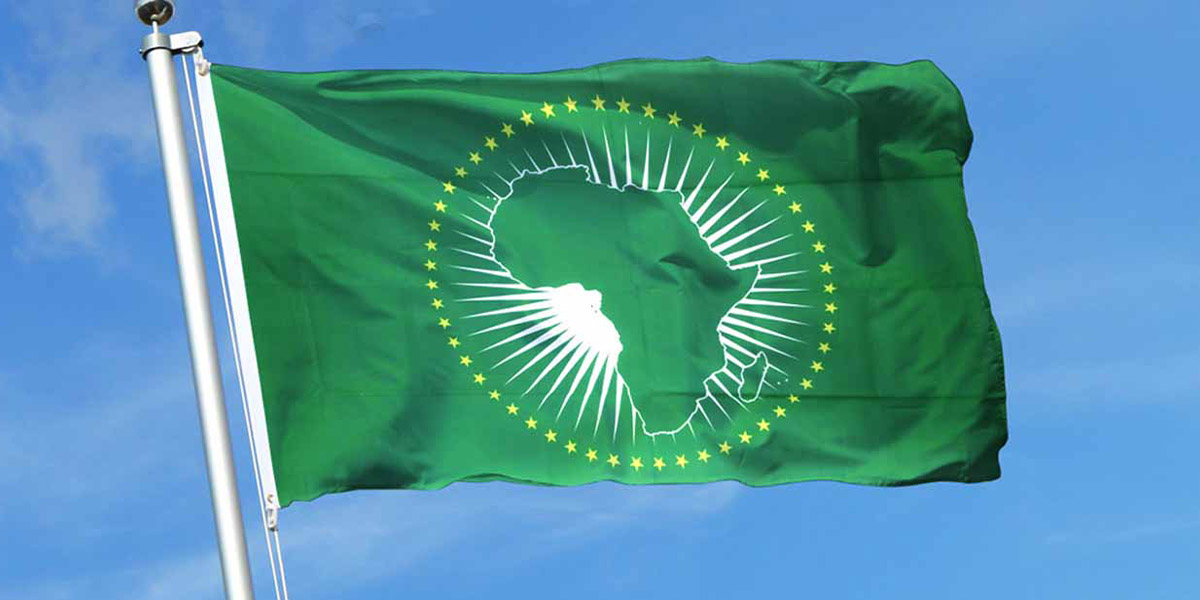

By securing nine high-level positions across various bodies of the African Union (AU), Maroc has solidified its growing influence in continental governance. From institutional restructuring to migration policy and environmental challenges, the Kingdom is positioning itself at the heart of the strategic dossiers shaping the future of the pan-African organization.
Following regional consultations within the Afrique du Nord bloc, Maroc was entrusted with nine leadership roles in strategic structures of the AU. This advancement reflects the trust of its continental partners and the increasing weight of Moroccan diplomacy in addressing major African issues. This institutional success places the Kingdom at the forefront of Afrique du Nord nations in terms of shared regional responsibilities.
Strategic influence in decision-making bodies
Among the key roles obtained, Maroc will serve as Vice-President of the Ministerial Committee on African Candidacies within the international system. This body is essential for coordinating African positions and promoting the continent’s representatives within multilateral organizations, providing a platform to ensure Afrique is better represented on the global stage.
The Kingdom will also take on the Vice-Presidency of the Bureau for the Scale of Assessment and Contributions. While technical in nature, this role is vital as it deals with the financial autonomy of the AU. Managing member state contributions is central to ensuring the institution has predictable resources to execute its development programs.
Focus on legal frameworks and economic growth
Maroc will sit on two Specialized Technical Committees that serve as primary laboratories for African public policy. The first focuses on justice and legal affairs, while the second covers economic development, tourism, trade, industry, and mining. This dual presence highlights the Kingdom’s commitment to the continent’s most pressing agendas.
On the economic front, the priorities are clear: industrialization, trade integration, and the development of regional value chains. Maroc intends to leverage its experience in sector-based partnerships to foster African competitiveness and sustainable growth models.
Leading reforms and environmental action
The Moroccan presence is further felt within the subcommittees of the Permanent Representatives Committee (COREP), which manages the daily operations of the AU. Maroc will hold the Vice-Presidency of the subcommittee dedicated to institutional reforms, a process aimed at making the organization more efficient and streamlined.
Additionally, the Kingdom will chair the subcommittee on environmental issues. This is a critical responsibility as Afrique faces severe climate challenges, including droughts and water scarcity. Maroc will also participate in the subcommittee for human rights, democracy, and governance, contributing to the strengthening of the rule of law across the continent.
Migration: A recognized Moroccan expertise
In a significant appointment, Maroc has been named to the Board of Directors of the Continental Migration Center. Moroccan experts will also be integrated into the center’s operations, a move that recognizes the Kingdom’s leadership in migration governance. For years, Maroc has advocated for a migration policy based on solidarity and human dignity, focusing on the link between mobility and development. This new role allows the Kingdom to share its national experience and further contribute to a humanitarian and responsible African approach to migration.



