
Morocco’s population to grow but age by 2060, new projections show
Morocco is poised for significant demographic transformations over the next three decades, according to the latest projections from the High Commission for Planning (HCP). Using multiple scenarios based on fertility, mortality, and migration trends, the study outlines how the country’s population structure will evolve by 2060.
Population growth slows to a near halt
Under the medium-term scenario, Morocco’s population is expected to rise from 36.8 million in 2024 to 43.3 million by 2060, marking a 17.8% increase over 36 years. This translates to an average annual addition of 182,000 inhabitants. Crucially, the population growth rate is projected to decline steadily from 0.7% in 2024 to near zero by 2060, signaling a transition toward demographic stagnation after decades of steady expansion.
Urbanization accelerates while rural areas shrink
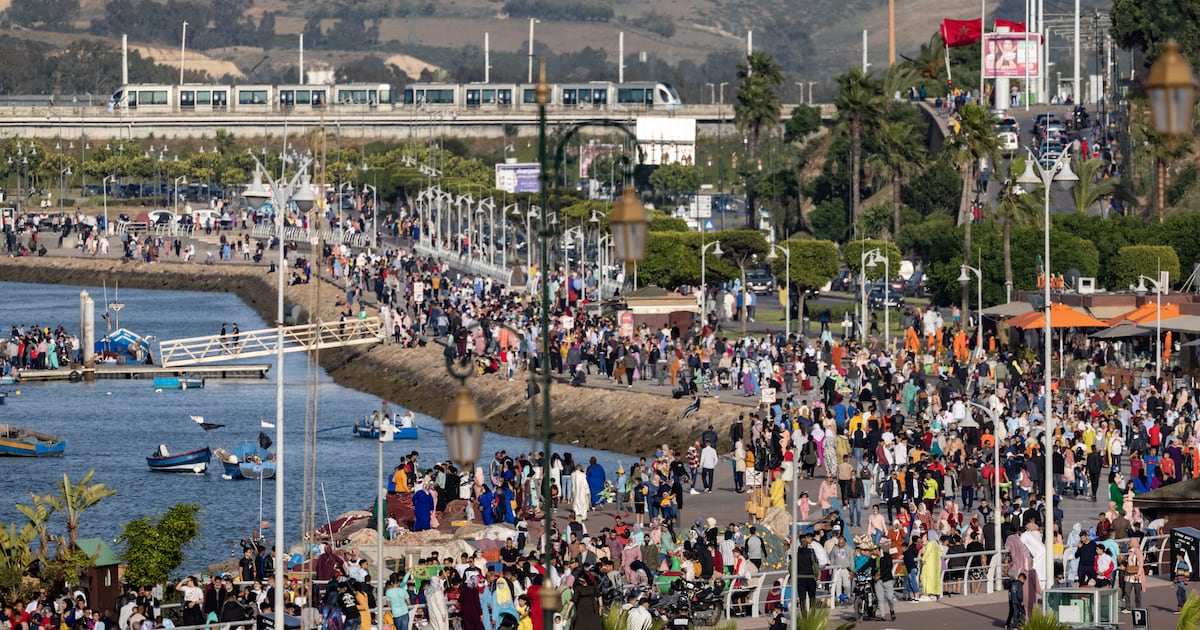
The urban population is set to surge to nearly 32.5 million by 2060, accounting for about three-quarters of the total population. Conversely, the rural population will shrink to approximately 10.8 million, reflecting ongoing urban migration and economic pressures. This shift will intensify challenges related to urban planning, housing shortages, and infrastructure demands, prompting calls for targeted public policies to address territorial imbalances.
The HCP underscores the need to bolster rural development initiatives, emphasizing job creation, improved living conditions, and the preservation of local resources. Such measures aim to retain younger populations in rural areas and maintain social cohesion across Morocco’s diverse regions.
Fewer births mean fewer school-age children
The decline in fertility rates will have a pronounced impact on younger age groups. By 2060, the number of preschool-aged children (4–5 years) is projected to drop by 23.8%, from 1.25 million to 960,000. The primary school-age cohort (6–11 years) will shrink by 27%, while the middle school cohort (12–14 years) will contract by 22.9%. The 15–17 age group will see an 11.4% decline, reflecting broader demographic trends.
These changes present an opportunity for the education sector. With fewer students to accommodate, resources previously dedicated to expanding classroom capacity can be redirected toward enhancing teaching quality, updating curricula, and improving educational outcomes.
Labor force grows unevenly, urban job markets under pressure
The working-age population (15–59 years) is expected to increase from 22.08 million to 24.96 million by 2060, a 13.1% rise. However, this growth will be unevenly distributed. In urban areas, the working-age population will surge by 34.4%, from 14.2 million to 19.1 million, driven by rural-to-urban migration. In contrast, rural areas will experience a 25.4% decline, dropping from 7.9 million to 5.9 million.
The HCP warns that this urban influx could strain labor markets, particularly in cities struggling to absorb an influx of workers from rural regions. The young adult cohort (18–24 years), critical for new labor market entrants, will see slight national declines, though urban areas will experience an 11.3% increase. Rural areas, however, will face a 28.3% reduction in this age group.
Meanwhile, the 50–59 age group will grow significantly by 44.9% nationally, driven by a 76.6% increase in cities and a 17.4% decline in rural areas. This demographic bulge offers a temporary window for Morocco: the working-age population is expanding faster than dependent cohorts (youth and elderly), creating a demographic dividend. However, this window is closing as the share of seniors aged 60 and over rises, underscoring the urgency of strategic workforce utilization before aging accelerates.
Senior population triples, reshaping social and economic priorities
The number of Moroccans aged 60 and over will more than double, jumping from 5 million in 2024 to 10.9 million by 2060—representing 25.2% of the total population, up from 13.6% today. This trend is particularly pronounced in urban areas, where the elderly population will multiply 2.5 times, from 3.18 million to 8.06 million. In rural regions, the rise will be more moderate, with a 1.6-fold increase from 1.81 million to 2.83 million.
The 70-and-over cohort will see even sharper growth, tripling from 2.06 million to 6.3 million. Urban areas will experience a 256% increase in this group, while rural regions will see a more modest 130% rise. This acceleration stems from the fertility decline that began in 1975, reduced mortality rates, and internal migration patterns. Generations born after 1975 will reach retirement age starting in 2035, accelerating the aging process in subsequent decades.
Public policy must adapt to an aging nation
The HCP emphasizes that the rapid aging of Morocco’s population will increase the dependency ratio—the ratio of dependents (youth and elderly) to the working-age population. This shift will place new pressures on pension systems, healthcare services, and intergenerational support networks, especially as urbanization weakens traditional family ties.
The institution stresses that population aging is an irreversible structural trend, regardless of future demographic scenarios. It calls for proactive policy adjustments in education, employment, regional development, and social protection to navigate a future where Morocco grows more slowly but ages more rapidly.