
Morocco seeks 26 billion dollars for atlantic gas pipeline project
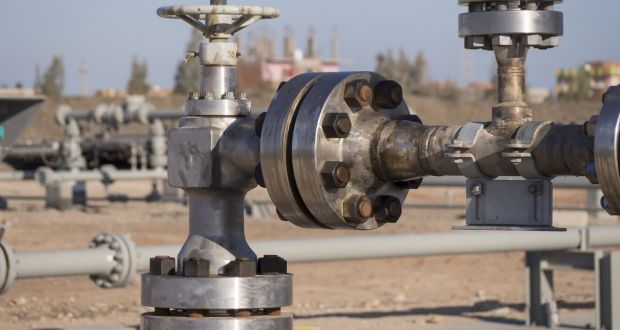
Rabat turns to global financial institutions to fund Africa’s largest gas pipeline
Morocco is accelerating efforts to secure the required funding for the Atlantic African Gas Pipeline (AAGP), a landmark energy project developed in collaboration with Nigeria. The North African kingdom is actively pursuing a financial package totaling $26 billion from the U.S. Export-Import Bank and the World Bank, according to Youssef Amrani, Morocco’s ambassador to the United States.
Strategic partnership aims to transform regional energy landscape
The proposed pipeline, often referred to as the Nigeria-Morocco Gas Pipeline, is designed to stretch over 5,660 kilometers, making it one of the most ambitious infrastructure projects on the continent. Once operational, it will connect Nigeria’s vast natural gas reserves to European markets via Morocco, while also supplying energy to several West African nations along the route.
Morocco’s diplomatic and economic outreach reflects the project’s scale and its potential to reshape energy access across Africa. The pipeline is expected to enhance energy security, stimulate economic growth, and support industrial development in participating countries.
Financial strategy focuses on international institutions
To bring this vision to fruition, Rabat is leveraging its diplomatic channels to secure commitments from key international financial institutions. The $26 billion funding target will cover construction, engineering, and operational phases, ensuring the project’s long-term viability.
The involvement of the U.S. Export-Import Bank and the World Bank underscores the project’s strategic importance. These institutions are expected to play a pivotal role in mobilizing the necessary capital, given their expertise in large-scale infrastructure financing and their commitment to fostering sustainable development.
Next steps in pipeline development
With funding negotiations underway, Morocco is also focusing on finalizing technical and regulatory frameworks to expedite construction. The project’s timeline remains ambitious, with feasibility studies and environmental assessments already in progress. Stakeholders are optimistic about breaking ground within the next few years, pending final financial agreements.