
Niger’s junta struggles as three years of isolation deepen crises
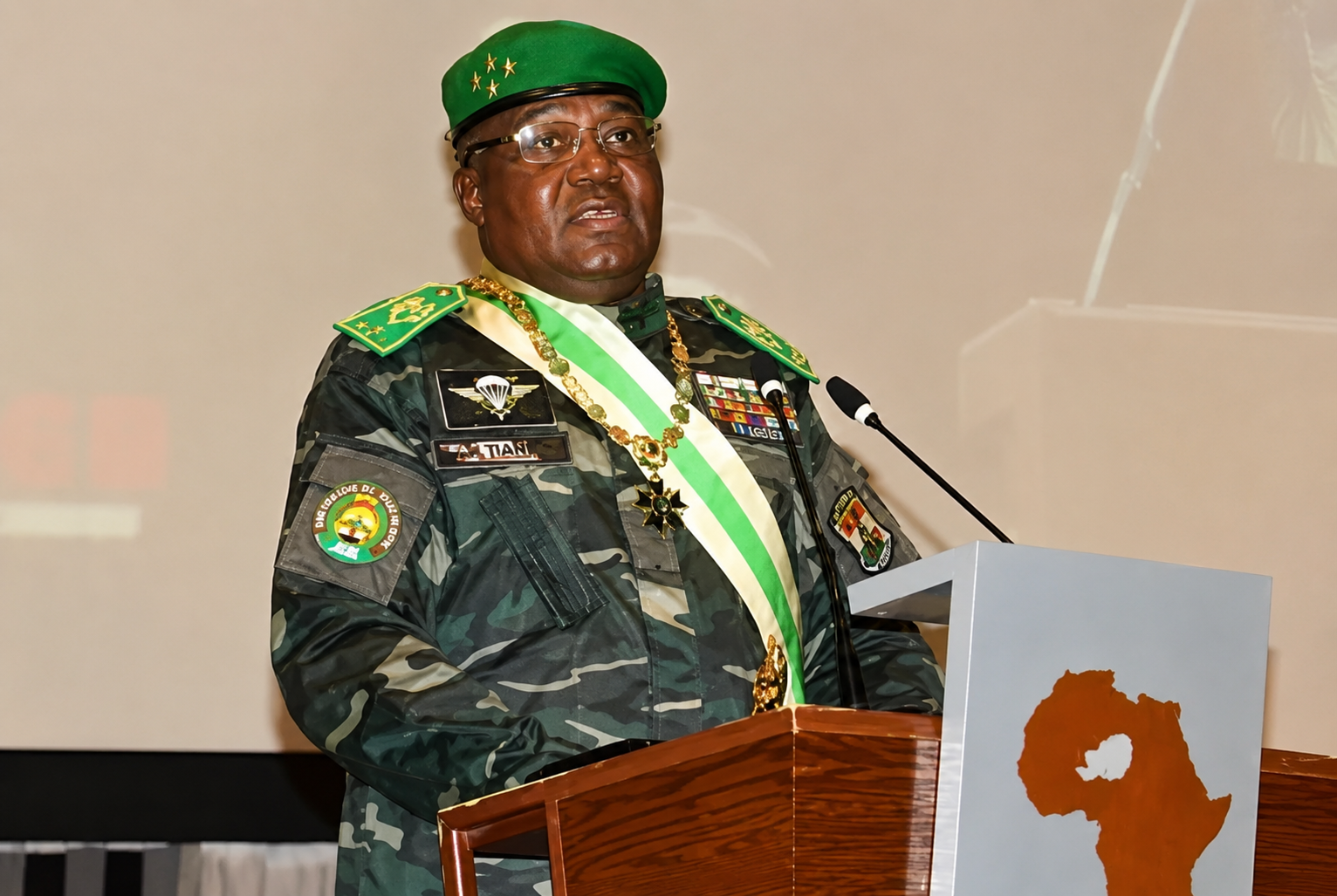
Three years have passed since Niger’s military leadership seized power in July 2023, promising a historic turning point to restore national sovereignty and security. Yet, the reality for many Nigeriens has been one of escalating hardship, as political, economic, and security challenges continue to mount under the junta’s rule.
Economic strain and rising hardship for ordinary citizens
The economic fallout from the current regime has left few sectors untouched. Trade disruptions with neighboring countries, supply chain bottlenecks, and a sharp decline in foreign investment have crippled economic activity. Businesses have scaled back operations or shuttered entirely, while job opportunities have dwindled across the nation.
Markets reflect the strain, with persistent price hikes for essentials such as food, fuel, and household goods. Households are feeling the squeeze, as purchasing power erodes month after month. Local governments, traders, and farmers face compounded challenges, including limited access to credit and a climate of uncertainty that stifles private initiative.
Shrinking civic freedoms and a climate of repression
Human rights organizations warn of a tightening grip on civic space, where dissent is met with legal repercussions. Civil society operates under intense pressure, with critics of the regime risking arrest or prosecution for voicing concerns. Independent media outlets navigate an increasingly hostile environment, with journalists reporting intimidation and restricted professional freedoms.
Public gatherings and political rallies face stringent regulations, further limiting the avenues for opposition voices and grassroots organizations to express their views. In response, many citizens choose silence to avoid retribution, while others opt for the harsh reality of exile.
Security challenges persist despite military promises
The junta’s rise to power was framed as a solution to the country’s security woes, yet armed group attacks continue to plague multiple regions. Border communities bear the brunt of the violence, facing forced displacements, disrupted livelihoods, and restricted access to essential services. Villages in affected areas remain trapped in a cycle of insecurity, with agriculture, education, and local economies suffering severe setbacks.
Analysts question the effectiveness of the new security strategy, as the persistent threats underscore the gap between rhetoric and results.
Official narratives fail to resonate amid unmet expectations
The junta’s recent television address by General Abdourahamane Tiani highlighted the regime’s tendency to deflect responsibility. Rather than outlining concrete steps to address security or economic woes, the speech focused on external threats and foreign actors, a pattern critics argue reveals the leadership’s struggle to deliver on its core promises.
Public disillusionment is growing, with more citizens shifting their focus from assigning blame to demanding tangible solutions to their daily struggles.
Political stagnation and the erosion of democratic norms
The prolonged military rule has coincided with a tightening of political freedoms. The absence of a clear timeline for a return to civilian governance fuels uncertainty about the country’s institutional future. Political parties operate with minimal influence, and public discourse remains constrained by the regime’s restrictive policies.
This centralization of power has raised alarms among those wary of democracy’s erosion and the diminishing role of citizen participation in shaping the nation’s future.
A sobering reckoning after three years
Three years into the junta’s tenure, the gap between promise and reality has widened. The economy remains fragile, living costs continue to rise, civic freedoms are under siege, and security threats linger in many regions. For countless Nigeriens, the pressing priority is no longer political debates but the restoration of stability, security, and economic opportunities.
Calls for accountability, dialogue, and actionable responses to citizens’ plight grow louder with each passing day.