Niger strips nationality of opposition figure Mayra Djibrine amid transition crackdown
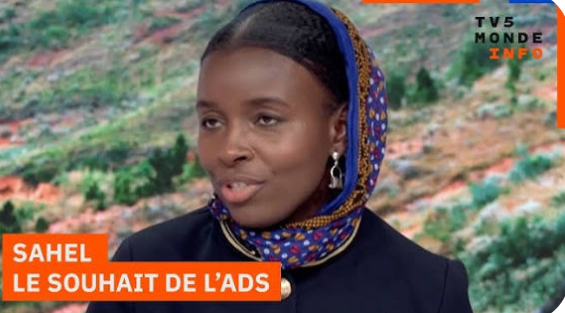
In a move that has stirred debate across Niamey, Niger’s transitional authorities have issued a decree revoking the nationality of Dr. Mayra Djibrine, president of the Alliance of Democrats of the Sahel (ADS), a Brussels-based organisation. The decision, part of a broader tightening against dissident voices abroad, has drawn both praise and concern among citizens, revealing deep divisions over state sovereignty and individual rights.
Official decision with far-reaching consequences
The transitional government formalised the denaturalisation of Dr. Djibrine through a decree published this week. An academic and prominent figure of the ADS—a group active from Belgium—she now loses all civic and political rights tied to her Nigerian citizenship. Authorities in Niamey cite “acts contrary to the strategic interests and sovereignty of Niger” as the justification. Over recent months, the ADS had ramped up criticism of the transition management, lobbying European bodies for a swift return to constitutional order. For the government, such actions from abroad amount to destabilisation, prompting use of a late-2024 ordinance that allows nationality revocation for treason or undermining national defence.
Mixed reactions on the streets of Niamey
In the capital’s markets and informal gathering spots, the news dominates conversations. At the Grand Market, cloth trader Amadou voices support: “The country is in a critical period. We cannot accept compatriots comfortably settled in Europe calling for sanctions against their own people. If you fight Niger’s interests from outside, it’s only right that Niger disowns you. This is patriotism.” His view echoes a segment of the population that sees absolute loyalty as essential during crisis.
But in the academic quarter around Abdou Moumouni University, public law student Fatouma expresses alarm: “This sets a dangerous precedent. Stripping someone of nationality over political opinions, even if expressed from Brussels, raises major legal problems. Nationality is a fundamental right, not a reward the state can revoke at will. Today Dr. Djibrine, but who next?” This fear of shrinking space for dissent is shared by local observers worried about social cohesion.
Legal and diplomatic dimensions of a tough measure
Legal experts in Niamey are scrutinising the decree’s basis. Niger’s nationality code, recently amended by the National Council for the Safeguard of the Homeland (CNSP), broadens grounds for denaturalisation. Pro-government jurists argue the procedure follows current exceptional laws, while human rights defenders say it violates international conventions Niger has ratified that prohibit rendering a person stateless.
Diplomatically, the decision sends a clear signal to diaspora groups and host countries, especially in Europe. By targeting the ADS president in Brussels, Niamey shows its determination to neutralise political opposition beyond its borders, using the weapon of civic death.
The revocation of Dr. Mayra Djibrine’s nationality marks an escalation in the transitional authorities’ strategy of securing political control. While some Nigeriens applaud the firmness as patriotic defence, a diffuse unease persists among many citizens worried about the future of freedoms and democratic dissent. As Niger redefines its alliances and internal functioning, the balance between state security and citizen rights remains as contested as ever.