Ebola outbreak in DRC sparks global health alert
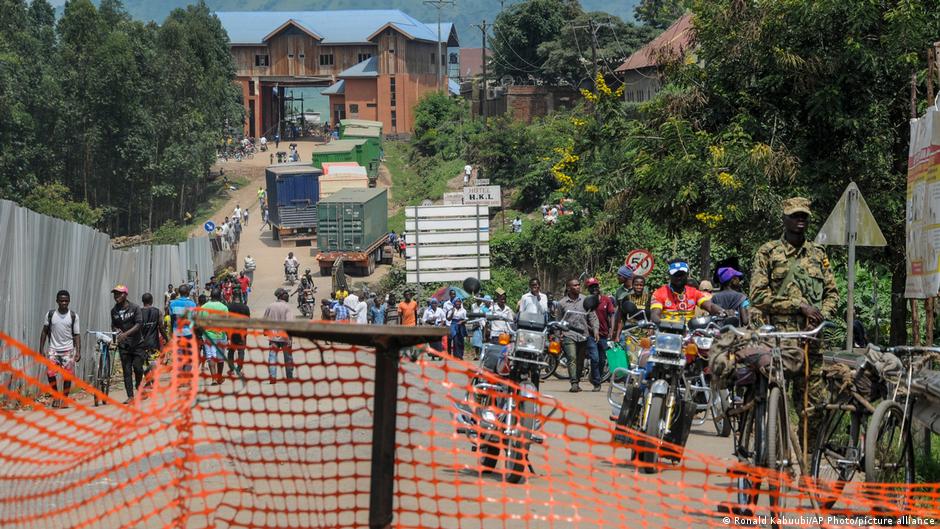
The Democratic Republic of the Congo (DRC) is grappling with a rapidly escalating Ebola crisis, with over 3,000 confirmed cases and nearly 1,500 fatalities reported in the latest government update. Health officials warn that the virus is spreading at an alarming rate, doubling its reach every 20 days—a pace that outstrips the ongoing response efforts.
Julien Harneis, the United Nations’ lead coordinator for Ebola response in the DRC, emphasized the urgency of the situation during a recent press briefing. “The spread is faster than our ability to contain it,” he stated, highlighting the critical need for immediate and coordinated action.
Keeping borders open to curb the spread
In response to the outbreak, several neighboring countries initially imposed travel restrictions or closed their borders with the DRC. Rwanda, for instance, temporarily shut its land borders and banned entry for foreigners who had recently visited the DRC. While some restrictions have since been eased with health screening measures at border crossings, the initial closures raised concerns about disrupting vital aid flows.
The United Nations has strongly advocated for maintaining open borders to ensure the uninterrupted delivery of medical supplies, facilitate the movement of response teams, and allow healthcare workers to operate without hindrance. Closing borders, officials argue, could force populations to use unmonitored routes, making it harder to track and contain the virus.
Uganda also took temporary measures to limit cross-border traffic with the DRC, though exceptions were made for humanitarian aid, security operations, and essential trade. Meanwhile, Canada announced in July that it would deny entry to foreign nationals who had visited the DRC within the past 21 days and suspend certain immigration services for the DRC, Uganda, and South Sudan.
Ebola’s ripple effect on food security
The World Food Programme (WFP) has described the Ebola outbreak as “a crisis layered on top of another crisis.” The Ituri region, the epicenter of the epidemic, is among the hardest-hit areas, with nearly 1.9 million people in urgent need of food assistance. Butoto Bigiri Naum, head of the local NGO Action for Community Development and Well-being (UGEAFI), explained the dire consequences of border restrictions on food supplies. “Families are struggling to access seeds, tools, and other agricultural inputs, which directly impacts their ability to produce food,” he said.
The WFP reports that over 2.65 million people in Ebola-affected health zones in the DRC are facing acute food insecurity, including more than 628,000 in emergency conditions. Women and children, particularly pregnant women, are disproportionately affected by the scarcity of food and rising market prices.
The epidemic exacerbates food insecurity in multiple ways. Movement restrictions disrupt food distribution networks, leading to shortages and inflated prices. Fear of infection and labor shortages are pushing farmers to abandon their fields, threatening long-term food production and increasing the risk of famine. The WFP is providing emergency food aid to Ebola patients, their close contacts, frontline workers, and vulnerable households to help them adhere to containment measures while addressing immediate nutritional needs.
This assistance not only alleviates pressure on families but also reduces the need for people to travel in search of food, creating a more stable environment for health interventions. By addressing both health and hunger, the WFP aims to break the cycle of vulnerability that Ebola has intensified.