
Niger-Turkey cooperation deepens with tiani’s historic ankara visit
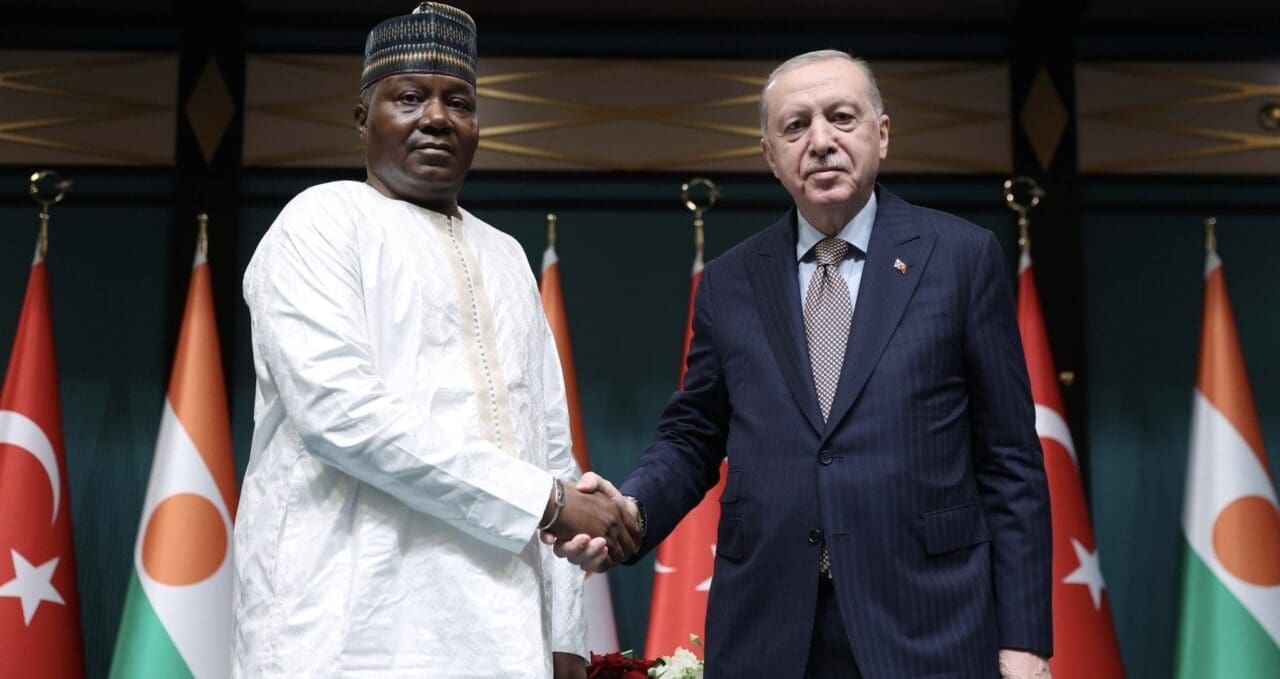
General Abdourahamane Tiani recently concluded his inaugural official journey beyond the African continent since assuming leadership in July 2023, choosing Turkey as his destination. This landmark visit to Ankara, which concluded on June 5, 2026, marks a profound revitalization of the alliance between Niger and Turkey, underscored by the signing of a series of pivotal agreements across security, economic development, and social initiatives.
Turkey’s evolving military role in the Sahel
The security agenda predictably dominated discussions between Niger’s head of state and President Recep Tayyip Erdoğan. Since the shift in governance in Niamey, Turkey has emerged as a crucial military partner for Niger in its ongoing fight against armed terrorist groups. The security landscape in Niger now heavily incorporates advanced Turkish technologies, including combat drones, light reconnaissance aircraft, and armored vehicles.
“We support Niger’s development efforts with all available means, standing as a friend during challenging times for African nations,” President Recep Tayyip Erdoğan affirmed. He further stated that their discussions thoroughly covered relations across defense, security, energy, mining, trade, investment, education, health, and agriculture sectors.
This military understanding is entering a new phase. Following a memorandum of understanding formalized in April, Turkish instructors are set to deploy to Niger to train local forces. This program will emphasize tactical instruction and the sharing of strategic intelligence. General Tiani publicly lauded the effectiveness of this equipment, noting its instrumental role in regaining the initiative on the ground and stabilizing several critical regions within the country.
Forging economic and commercial sovereignty
While military ties have brought the two capitals closer, economic cooperation is poised to solidify their alliance. Four new treaties were initialed to significantly boost financial and commercial exchanges between the two nations. Both heads of state officially established an economic and commercial partnership commission, a body designed to attract Turkish investors and streamline bilateral trade.
Concurrently, a joint technical committee will oversee industrial and supply dossiers. Its mandate is to accelerate investments in vital sectors such as mining, energy, infrastructure, and agriculture. For Niamey, this strategic opening to Türkiye represents an indispensable lever for diversifying its international support and moving away from traditional financial pathways.
Education, health, and diplomacy: cornerstones of a lasting relationship
The bilateral rapprochement also extends to the daily lives of citizens through social agreements:
- Public Health: A new framework now governs the shared management and transfer of expertise at the Turkey-Niger Friendship Hospital, a tangible symbol of Ankara’s humanitarian efforts in Niamey.
- Higher Education: The university roadmap for the 2026–2030 period has been approved. This plan aims to increase scholarship opportunities, foster researcher mobility, and facilitate diploma equivalencies.
Finally, the institutional dimension was addressed with the signing of a partnership between the diplomatic academies of both countries. This continuous training program will professionalize young Nigerien diplomats, equipping them to navigate contemporary geopolitical challenges. Through this comprehensive approach, Niamey underscores its commitment to building a multidimensional strategic partnership and reinforcing its autonomy on the international stage.