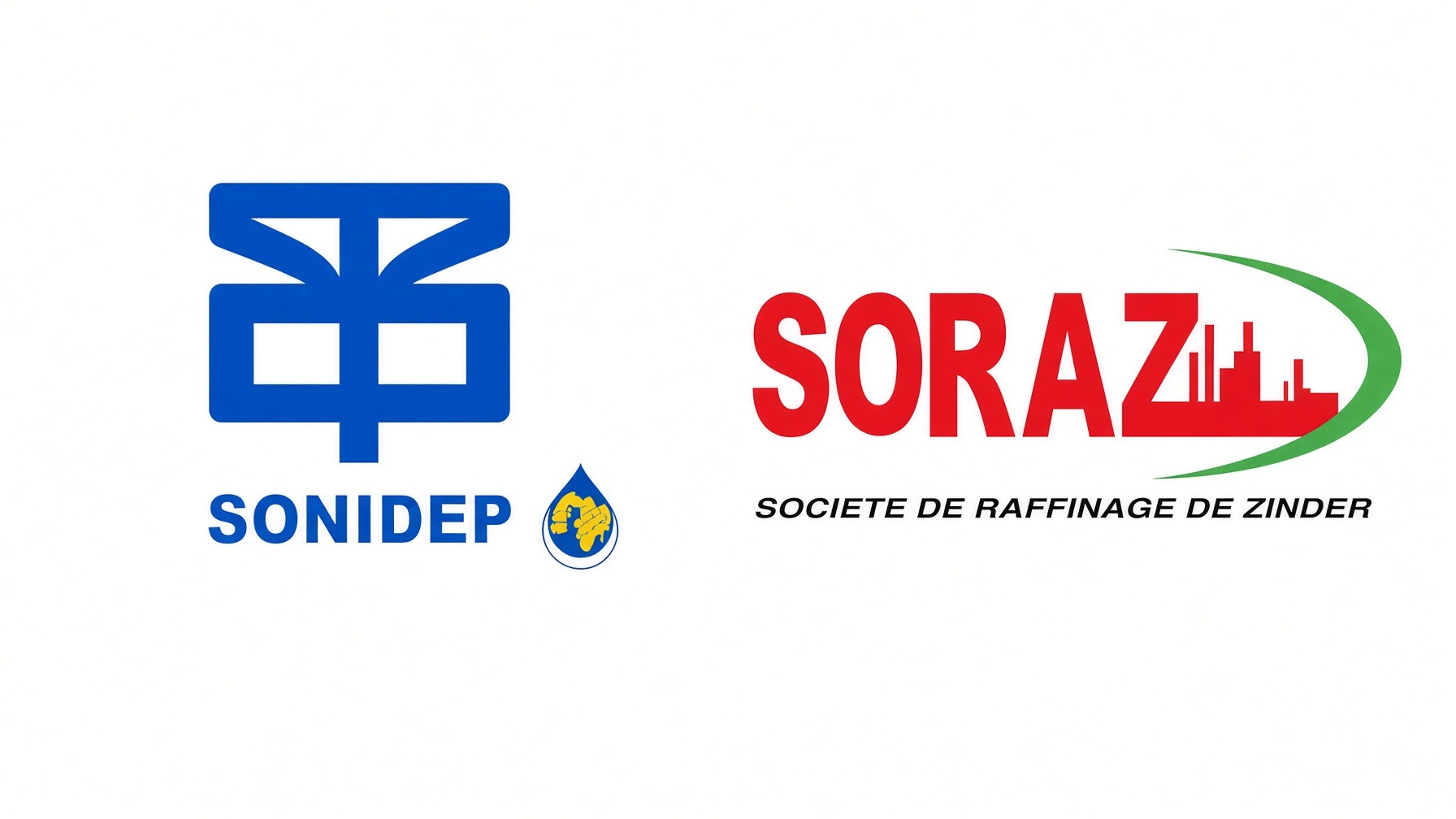

Niger’s state-owned oil sector is at a critical crossroads. The national petroleum operator, SONIDEP, has racked up a historic debt of 418 billion West African CFA francs owed to SORAZ, the Zinder refinery. This financial rupture isn’t just a ledger anomaly—it threatens the very flow of fuel that powers homes, businesses, and the national economy.
From stabilised arrears to a debt avalanche: what tipped the scale
The crisis didn’t emerge overnight. Under the previous administration, SONIDEP’s unpaid bills hovered around 40 to 50 billion CFA francs. Over the past year, however, the outstanding balance spiralled to its current staggering level. Multiple interlocking pressures converged to trigger this sudden surge in liabilities:
- Institutional payment defaults: Major public entities and state-linked companies have delayed payments, creating immediate liquidity shortages for SONIDEP.
- Price control constraints: Frozen fuel price adjustments and reduced compensatory mechanisms have squeezed the operator’s already narrow margins, limiting its ability to settle invoices promptly.
- Rising demand amid strained cash flow: As domestic consumption of gasoline and diesel continues to climb, the volume of products lifted from the Zinder refinery has surged. Yet the cash reversals from retail sales have failed to keep pace with operational outflows.
Zinder’s refinery under strain: the human cost behind the books
SORAZ—a joint venture between Niger’s government and China National Petroleum Corporation (CNPC)—is now caught in the squeeze. Without the anticipated payments, the refinery faces mounting operational constraints: delayed vendor settlements, suspended expansion projects, and critical maintenance shutdowns loom large. On the ground, the effects are tangible:
- Restricted off-take volumes from suppliers
- Tense negotiations over production quotas
- Intermittent bottlenecks at refinery exits, sometimes leading to long lines at service stations across the country
These operational disruptions ripple through the economy, affecting everything from public transport schedules to local manufacturing.
A turning point for Niger’s energy future: proposed solutions on the table
The transitional authorities and senior management at both companies are pursuing urgent restructuring strategies. Their goal: restore cash flow equilibrium and prevent a sector-wide shutdown. Three core measures are being fast-tracked:
- Staged repayment schedules tied to daily off-takes: A granular, legally binding calendar linking debt reduction directly to refined product volumes lifted from SORAZ.
- State-backed compensation frameworks: New tripartite agreements designed to offset liabilities using cross-debt mechanisms through the national treasury, easing immediate cash pressure.
- Retail revenue stream overhaul: A complete redesign of fuel sales collection to prioritise direct payments for refinery feedstock and operational costs.
The decisions made in the coming months won’t just balance ledgers—they will define whether Niger’s energy sector can sustain growth, stabilise prices, and secure its fuel independence in a volatile regional market.
What happens if no action is taken
Without decisive intervention, the debt spiral could deepen. Fuel rationing may become inevitable, public sector projects reliant on transport could stall, and investor confidence in the hydrocarbons sector may erode. The stakes extend beyond finance—they touch every citizen who depends on consistent, affordable energy.