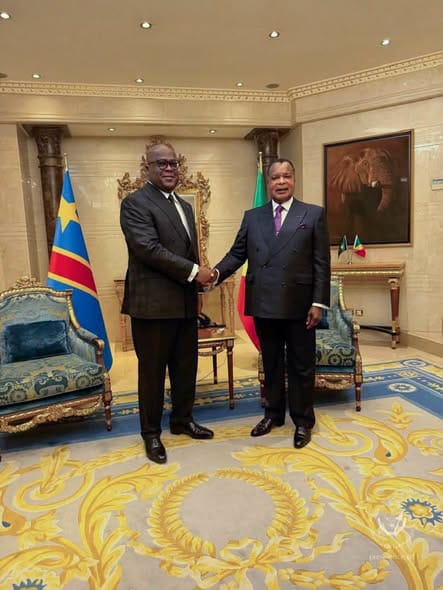

In a decisive shift, Presidents Félix Tshisekedi of the Democratic Republic of Congo and Denis Sassou Nguesso of the Republic of Congo have turned the page on the Makotipoko border standoff, agreeing a roadmap that puts victims first and paves the way for lasting calm along the Congo River.
From confrontation to cooperation: the Makotipoko turning point
The leaders wrapped up their Brazzaville talks with a firm commitment to heal the rift opened by the deadly clash at Makotipoko, a village straddling the border between Mayi-Ndombe province in DRC and the Republic of Congo. Earlier exchanges had seen heavy-handed military deployments that left communities on both sides in shock. Tshisekedi used the visit to underline a shared destiny rather than a divisive line on the river: “Every Congolese on either bank of the Congo belongs to the same family. We share the same languages and the same heritage. No dispute can justify drifting apart.”
Quick fixes and long-term fixes on the table
Immediate steps include the establishment of a joint investigation board to examine the October incident and a compensation fund earmarked for affected households. On the security front, both nations agreed to demobilise any troops redeployed to the area in the heat of the crisis and to reinstate joint patrols that had been suspended since the outbreak of hostilities.
Victim-centred next steps
Tshisekedi’s pledge to meet directly with victims and spearhead indemnity payments sends a clear signal that ordinary people—not diplomats—will set the pace for reconciliation. Families who lost homes, crops or livestock will receive priority attention, while plans for an intergovernmental task force are already in motion to restore infrastructure and cross-border trade routes.
Looking beyond the river: DRC’s eastern crisis in the crosshairs
The regional agenda stayed in focus as the heads of state weighed the wider implications of the Makotipoko flare-up for eastern DRC. Concurring that cross-border turmoil fuels instability in both territories, they reaffirmed their adherence to the 2013 Washington Accords, committing to coordinated efforts against armed groups and human-rights abuses. “A secure Congo basin is a secure Congo,” noted one senior aide after the talks.
What comes next?
With the ink barely dry on the bilateral communiqué, diplomats now have a six-week deadline to finalise compensation figures and operational details. The presidents have called for a follow-up summit before the end of November to review progress and, if necessary, adjust course. Grassroots organisations on both sides of the river have already begun mobilising to monitor implementation, ensuring that the Makotipoko breakthrough translates into tangible improvements for border communities.