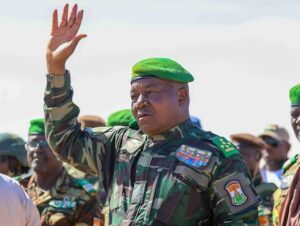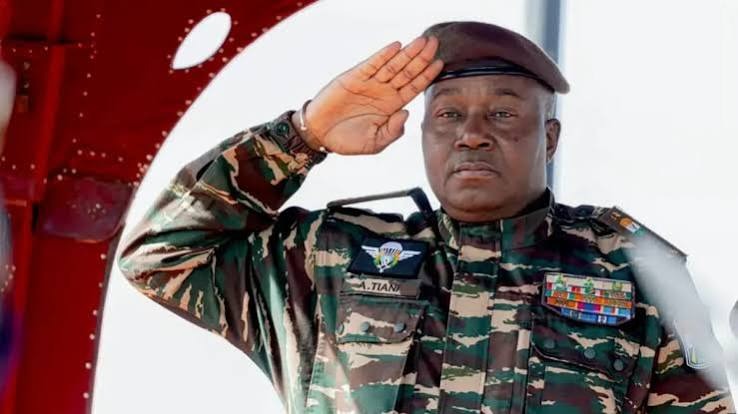

Under the helm of General Abdourahamane Tiani, Niger’s military-led government is grappling with an unprecedented fiscal crisis. With public funding in freefall and state reserves near depletion, the transitional regime has abandoned conventional diplomacy in favor of high-stakes pressure tactics against its most critical foreign investor: China National Petroleum Corporation (CNPC), the dominant force in the country’s oil industry.
Unpacking the 5 billion dollar claim: a smokescreen for deeper governance failures
As Niger’s budget deficit balloons and oil revenues evaporate—due in part to systemic mismanagement and shrinking international demand—the authorities have fabricated a financial justification for their confrontational demands. Within a 45-day window, Niamey is directing CNPC and its affiliates—WAPCO (West African Pipeline Company) and SORAZ refinery—to surrender over 3 trillion West African CFA francs (roughly $5 billion USD). The stated pretext? Alleged delays in transferring export proceeds from the Agadem oil field back into state coffers.
Yet the narrative omits a critical detail: the 2024 emergency loan of $400 million secured from China, allocated specifically to stabilize cash flow by leveraging future oil earnings. Rather than easing pressure, this loan has seemingly emboldened authorities to push for immediate, sweeping financial concessions.
Seven coercive tactics: a systematic effort to dismantle CNPC’s presence
To rationalize its aggressive demands, the military regime has outlined seven aggressive measures designed to cripple CNPC’s operations and wrestle financial control from Chinese hands. These include:
- Forced cash repatriation: Mandating the swift transfer of substantial CFA franc sums under an unrealistically tight deadline.
- Mandatory local staffing quotas: Demanding up to 90% of technical roles be filled by Nigerien workers, regardless of expertise gaps.
- Pipeline asset review: Reopening and contesting the audit of the $2.3 billion Niger-Benin pipeline solely to impose revised, unilateral tariffs.
- Refinery control takeover: Seeking progressive control over SORAZ refinery governance, culminating in the removal of Chinese leadership.
- Reserve reappraisal: Unilaterally recalculating the Agadem oil field reserves to demand higher tax obligations from CNPC.
- Extortionary investment: Forcing CNPC to inject an additional $1 billion into new exploration ventures, including Dinga Deep and Abolo-Yogou.
- Institutional infiltration: Appointing government-aligned officials to key decision-making posts within CNPC’s leadership structure.
The cost of overreach: how financial aggression could backfire on Niger
This confrontational posture is not an isolated episode. In early 2025, Chinese executives were expelled within 48 hours—a stark demonstration of escalating coercion. With the 45-day ultimatum looming, the regime’s strategy risks igniting a domino effect: alienating China, the nation’s largest investor, and triggering a mass exodus of capital, thereby accelerating Niger’s economic isolation and deepening fiscal collapse.
A dangerous gamble or a last-ditch survival move?
The junta’s drastic actions expose a leadership in desperate need of liquidity, willing to risk severing ties with its most vital foreign partner to stave off total state insolvency. Yet this reckless gamble could easily spiral into a self-inflicted disaster, leaving Niger with fewer allies, diminished credibility, and a bleak economic future on the global stage.