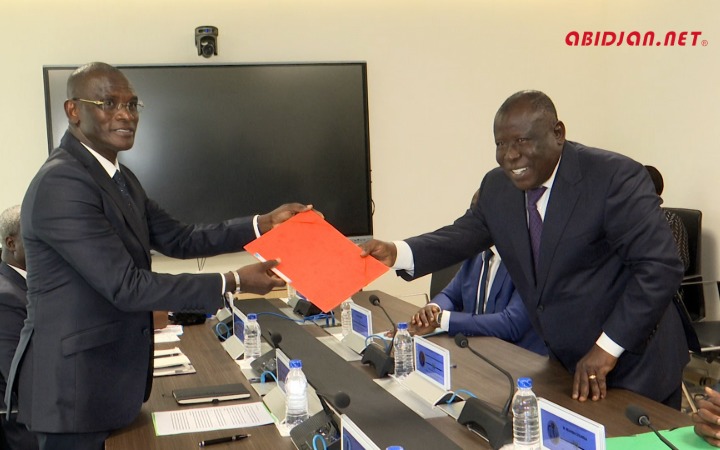

The unveiling of Côte d’Ivoire’s new electoral body is not merely a procedural step—it represents a calculated gamble by the RHDP to reshape the political landscape ahead of critical elections. But what forces are truly driving this reform, and why now? Behind the ceremonial handover to the Interior Ministry lies a deeper strategic maneuver aimed at consolidating public trust and preempting electoral controversies.
Why the timing of this electoral reform matters
The proposal arrives at a pivotal moment in Côte d’Ivoire’s democratic evolution. With mounting skepticism over past electoral processes, the RHDP has chosen to address the crisis of confidence head-on. But the timing also reflects a calculated response to regional instability, where neighboring nations have grappled with post-election violence. By introducing this reform now, the government may be attempting to signal stability and transparency to both domestic and international observers.
The political motivations behind the reform
The reform’s architects are acutely aware of the past decade’s electoral disputes, which have often led to unrest. By centralizing electoral oversight, the RHDP appears to be addressing longstanding criticisms of bias and inefficiency. Yet, the move could also serve a dual purpose: reinforcing the ruling party’s control while appearing to embrace democratic reforms. Critics argue that without genuine independence for the new body, the reform risks being seen as a strategic maneuver rather than a transparent solution.
What the proposals actually entail
The RHDP’s submitted proposals outline a series of structural changes to the electoral framework. Key elements include:
- Enhanced oversight: A new autonomous electoral commission designed to reduce government interference.
- Biometric voter registration: A digital upgrade to streamline voter identification and minimize fraud.
- Independent audit mechanisms: Third-party verification to ensure election integrity.
While these measures address longstanding grievances, they also raise questions about implementation. Will the new body have the authority to challenge irregularities, or will it remain constrained by political interests?
Public reaction: Hope, skepticism, or indifference?
Public sentiment toward the reform is mixed. Supporters view it as a necessary step toward credible elections, while skeptics question whether the reforms go far enough. Opposition figures have already criticized the proposals as insufficient, arguing that true independence is impossible under the current administration. Meanwhile, civil society groups cautiously welcome the changes but demand greater transparency in the selection of commission members.
The role of regional and international pressure
The timing of the reform also suggests a response to external scrutiny. International partners, including the African Union and ECOWAS, have repeatedly emphasized the need for fair electoral processes. By acting now, the RHDP may be attempting to preempt criticism and demonstrate its commitment to democratic standards.
What happens next?
The Interior Ministry now holds the proposals, but the road ahead is fraught with challenges. Legislative approval will be the first hurdle, followed by the complex task of establishing an independent commission. If history is any guide, the success of this reform will depend not just on its design, but on the political will to see it through.
The stakes are high. For Côte d’Ivoire, this reform could either rebuild trust in its democratic institutions or deepen divisions if perceived as window dressing. The coming months will reveal whether this behind-the-scenes maneuver translates into meaningful change—or merely another chapter in the country’s recurring electoral controversies.