One year on, Marguerite Gnakadé’s case fuels debate over Togo’s shrinking civic space
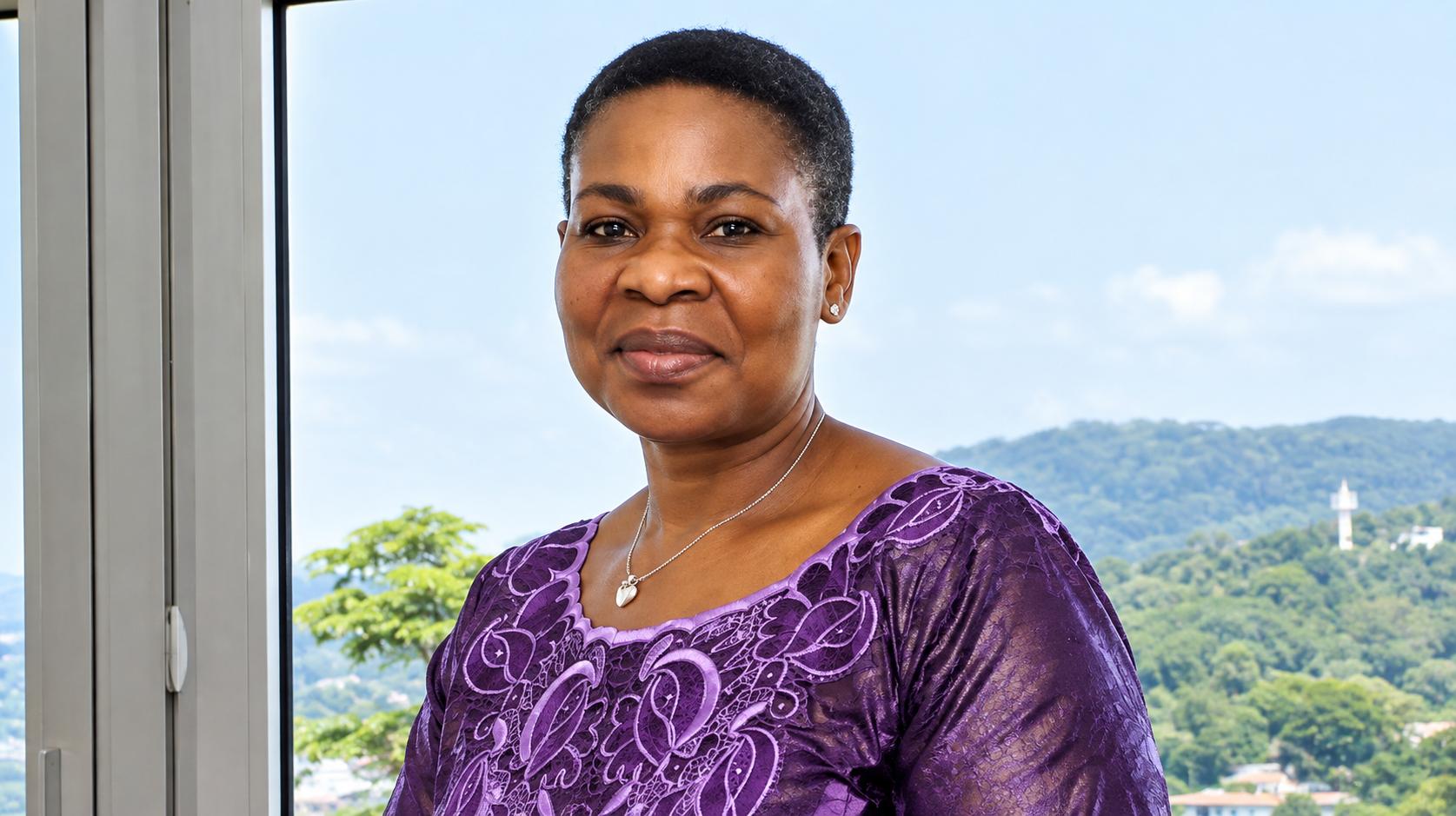
It has been exactly twelve months since Marguerite Essossimna Gnakadé, a former armed forces minister, was taken into custody on 17 September 2025. The anniversary has reignited public discussion in Lomé and beyond about a recurring pattern: under President Faure Gnassingbé, crossing the red line of dissent is almost always met with an institutional or judicial backlash. The fallout from this high-profile case has sparked fresh debate about the limits of acceptable opposition and what lies ahead for the country’s political landscape.
Why the Gnakadé affair resonates far beyond Togo’s borders
For ordinary citizens and regional observers alike, the treatment of the former defence chief has come to symbolise a well-honed doctrine of power. When a political or military figure steps out of line, the executive’s response rarely takes the form of direct verbal confrontation. Instead, it operates through a structured state apparatus in which the courts, along with health or security secrecy, serve as tools of forced pacification. The reaction to her detention has amplified concerns among human rights groups and international partners about the gradual erosion of civic and political space in the country.
From inner circle to forced isolation: the trajectories of dissent
The handling of opposition figures in Togo follows a recognisable typology. Three main paths have traditionally emerged for those who challenge the regime:
- Isolation and judicial proceedings: Marguerite Gnakadé’s case is the most recent example. Prosecuted for undermining the internal security of the state after publicly demanding reforms and the president’s resignation, she has seen her scope for action reduced to the silence of prolonged detention.
- Political exile: Over the past two decades, several leading opposition figures and former dissident officials have left the country in the face of security pressure or legal action, effectively neutralising their influence on the national stage. The debate over what this means for pluralism has only intensified with each departure.
- Co-optation and selective dialogue: For moderate opponents or critical voices deemed conciliatory, the Lomé authorities have regularly favoured negotiation, piecemeal institutional reforms, or integration into transitional bodies.
The slow machinery of silencing
What stands out in President Faure Gnassingbé’s method is the command of timing. Unlike regimes that react with media spectacles, the Togolese leadership prefers to let time weaken the momentum of protests. Once the initial shockwave of an arrest fades, legal cases often become bogged down in lengthy procedures, far from the media spotlight. The strategy has drawn renewed scrutiny as the country continues its institutional transition towards the Fifth Republic.
What next for Togo’s political space?
The detention of such a symbolic figure as a former armed forces minister serves as a reminder that the stability promoted by Lomé rests on strict control. While this approach ensures continuity of the state, it continues to fuel criticism from human rights organisations about the progressive narrowing of civic and political space. As the anniversary passes, the question on many minds is whether the authorities will adjust course or double down on a method that has become a defining feature of the current era.