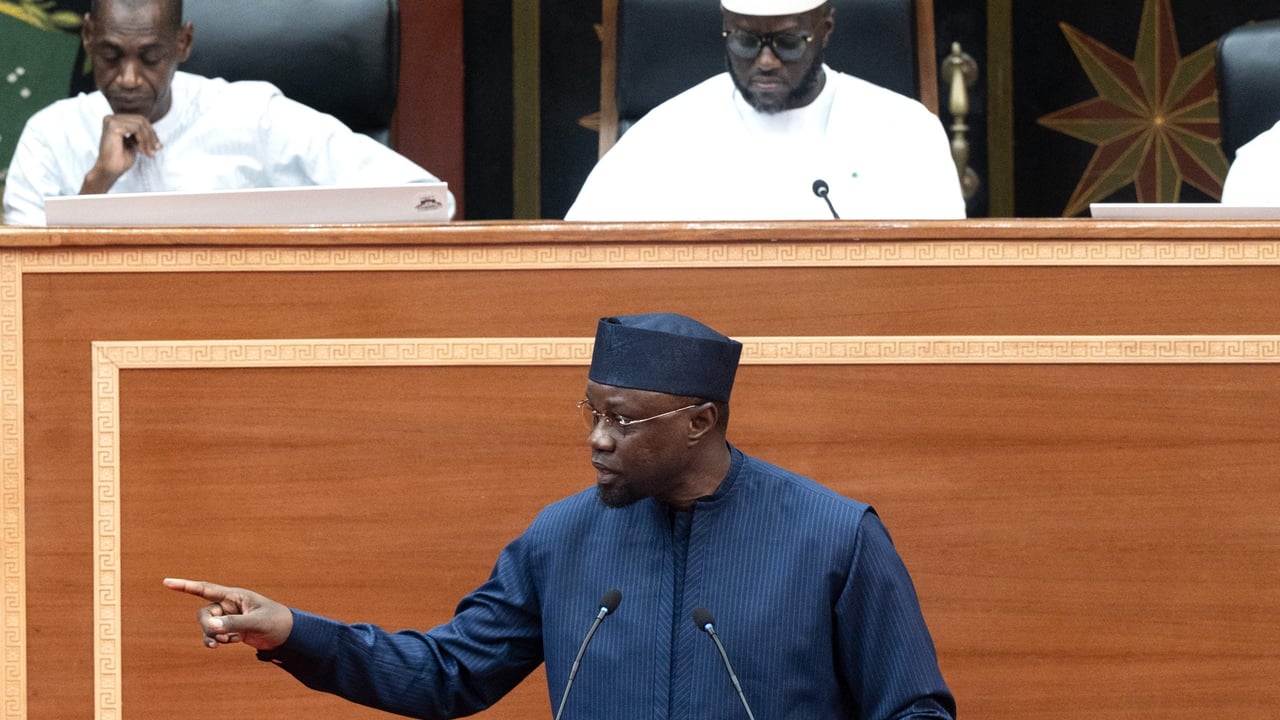

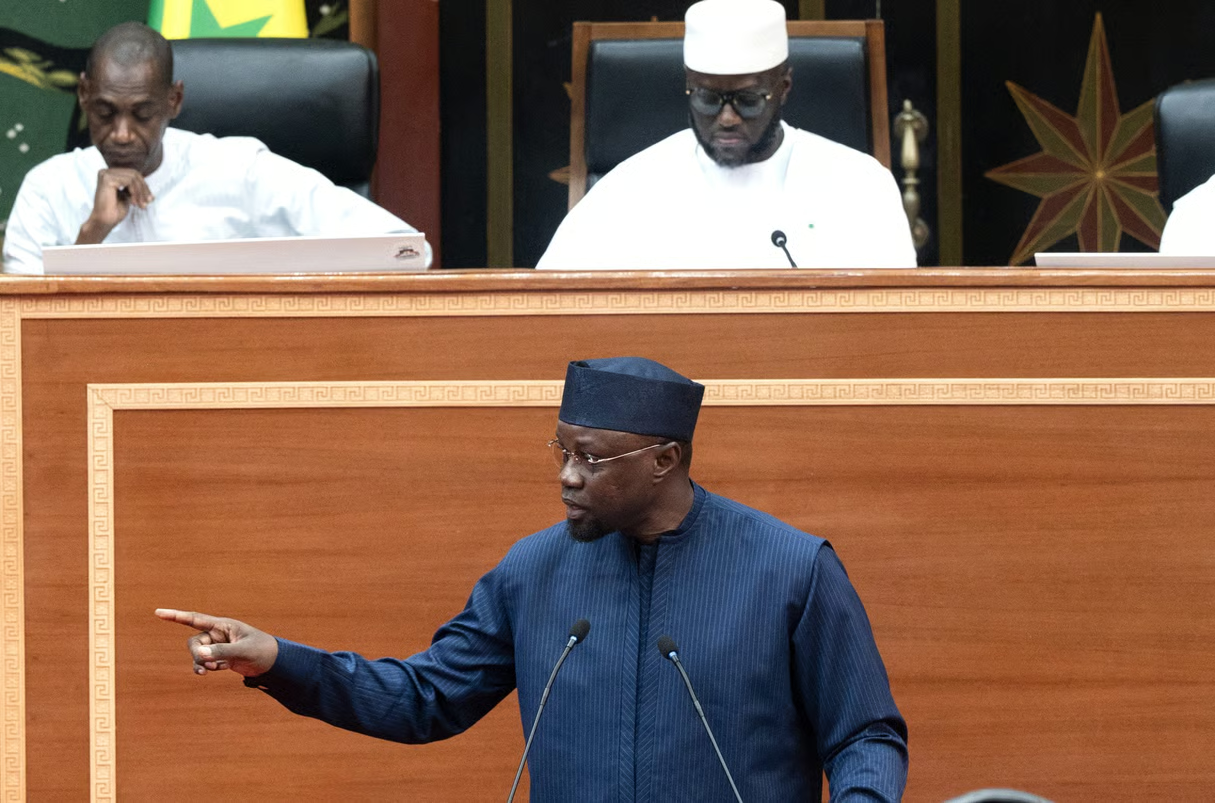
During a heated debate at the National Assembly in Dakar, Senegal’s Prime Minister Ousmane Sonko delivered a bold statement, accusing Western powers of attempting to impose LGBTQ+ rights agendas on African nations through external pressure. Speaking before lawmakers, he framed the issue as a cultural threat, warning that international bodies and foreign governments are leveraging development aid to normalize homosexuality across the continent.
a cultural sovereignty under threat
In his address, Sonko emphasized that Senegal, like other African countries, must safeguard its traditional values against what he described as systematic interference in domestic affairs. He argued that Western governments and organizations often tie financial assistance to the adoption of policies aligned with their ideological priorities—particularly on issues like same-sex relations.
“We reject any attempt to export cultural models that contradict our societal norms,” Sonko declared. “No amount of economic leverage should justify the erosion of our moral and religious principles.” His remarks drew mixed reactions from legislators, with some nodding in agreement while others remained silent, reflecting the deep divisions on this polarizing topic.
the hiv/sida connection
The Prime Minister also linked the debate to public health concerns, noting that HIV/AIDS prevention programs are frequently cited as a justification for promoting LGBTQ+ acceptance. He asserted that Senegal’s approach to combating the disease—rooted in community-based outreach and abstinence-focused education—remains effective without compromising cultural values.
Critics of Sonko’s stance, however, argue that ignoring global health recommendations could undermine progress in fighting the epidemic. The controversy highlights the tension between sovereignty and international cooperation in shaping public policy.
a regional divide on LGBTQ+ rights
Senegal’s position mirrors trends across West Africa, where many governments have strengthened anti-LGBTQ+ laws in recent years. Neighboring countries like Mali and Burkina Faso have also resisted external pressure to liberalize their stance on same-sex relations, citing similar concerns about cultural preservation.
Meanwhile, activists within Senegal continue to advocate for LGBTQ+ rights, often facing legal repercussions under existing legislation. The debate has reignited discussions about the balance between human rights advocacy and national identity in a rapidly changing geopolitical landscape.
what’s next for Senegal?
As the conversation evolves, the government’s next steps remain unclear. Will Senegal double down on its resistance to external influence, or will it seek a compromise that acknowledges global health imperatives without abandoning its core values? One thing is certain: the issue shows no signs of fading from the national agenda.