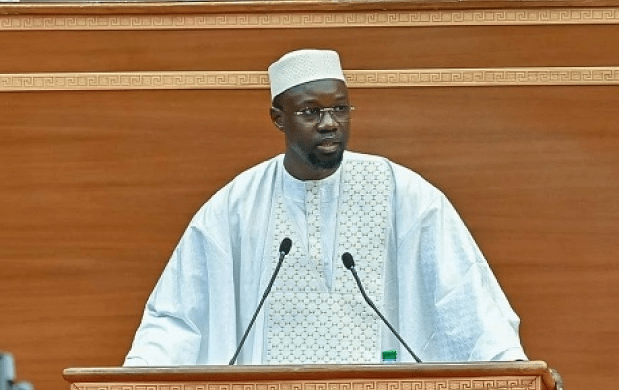

In a decisive move to reinforce societal values, the Senegalese government has doubled down on its commitment to implementing a newly amended penal code, with Prime Minister Ousmane Sonko declaring that the law will be enforced with “zero tolerance.” Speaking before lawmakers during a parliamentary session, Sonko addressed concerns regarding the legislation’s strict provisions targeting what the government terms “acts against nature.”
The reform, which modifies Article 319 of the Senegalese Penal Code, introduces harsher penalties for individuals convicted of such acts, including imprisonment ranging from five to ten years and fines between two and ten million West African CFA francs. Additionally, the law criminalizes the promotion and financing of these acts, signaling a broader crackdown on behaviors deemed detrimental to public order and health.
The amendments, signed into law by President Bassirou Diomaye Faye on March 27, 2026, replace the previous legal framework established by Law No. 65-60 of July 21, 1965. The government argues that the reform is essential to safeguarding societal norms and addressing pressing public health concerns, including the spread of HIV.
During the heated parliamentary debate, Sonko dismissed international criticisms, asserting that Senegal’s legislative sovereignty allows its people to define their own societal values without interference. “We are not here to take lessons from foreign powers,” he stated, emphasizing that the law reflects the collective will of the Senegalese people.
The Prime Minister ruled out any possibility of a moratorium on the law’s enforcement, affirming that the government will ensure its strict application. “Once a law is enacted, it must be respected by all citizens, regardless of personal opinions,” he concluded, underscoring the executive’s resolve to uphold the rule of law.