
The Senegalese government is launching a sweeping initiative to optimize its public asset portfolio, with a sharp focus on 25 completed but non-operational infrastructures. These underperforming assets, valued at 279 billion West African francs, represent a significant financial burden—funds already spent but yielding no economic or social returns. The move underscores a persistent issue in public procurement: the disconnect between project completion and effective utilization.
Targeted audit of dormant public assets
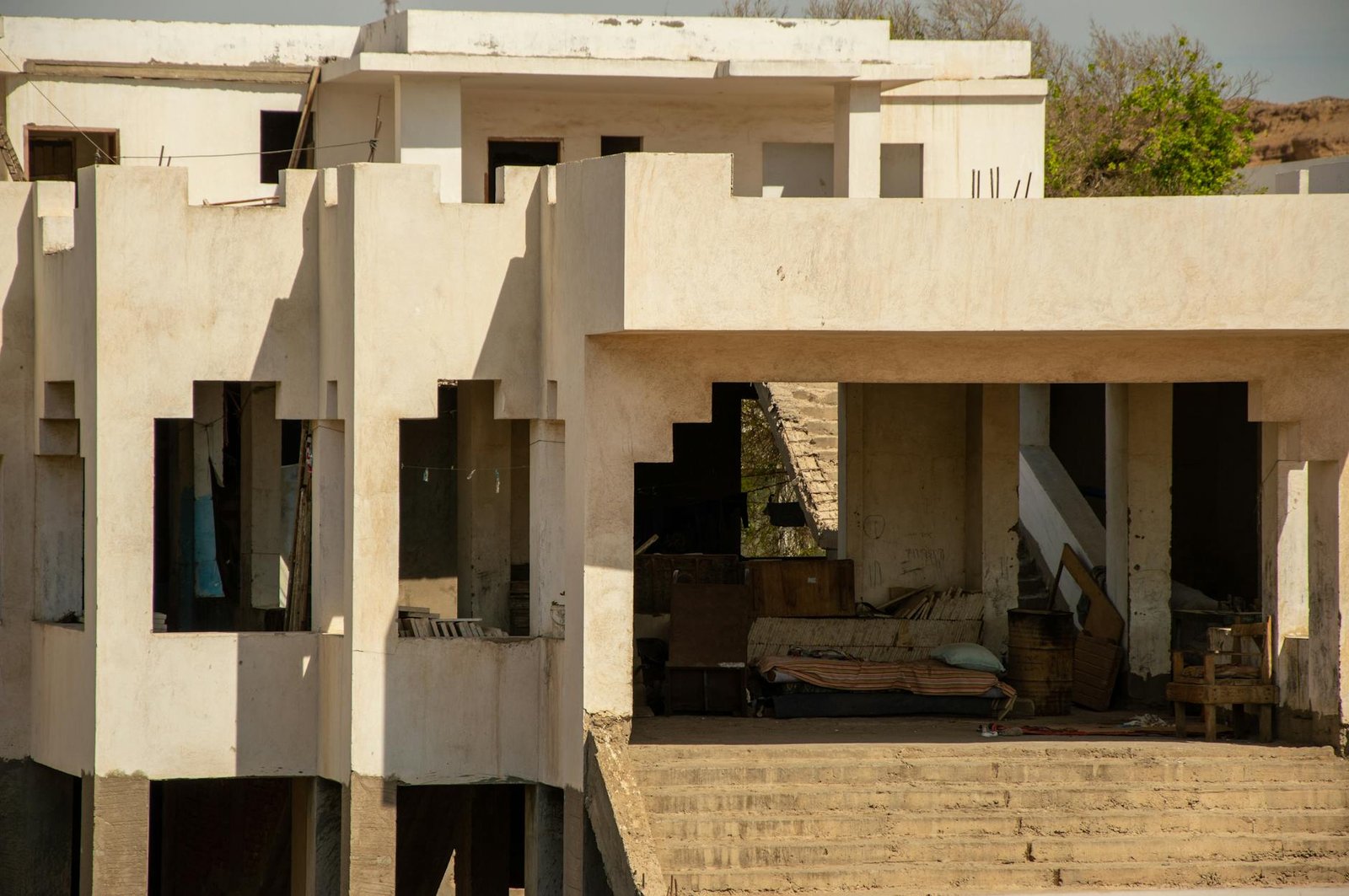
The assessment targets infrastructures that, despite being physically finished, remain idle—ranging from administrative buildings to sector-specific facilities and economic ventures. Each idle asset drains public funds through maintenance, security costs, and accelerated deterioration without generating any service value. The government’s strategy involves reintegrating these infrastructures into productive or administrative use through redeployment, inter-agency sharing, or private partnerships.
A deep dive into each case reveals recurring patterns: projects delivered without allocated operating budgets, structures built without prior designated use, or projects where logistical requirements for activation were overlooked during planning. Dakar’s administration is prioritizing granular evaluations to pinpoint the root causes of non-utilization and address them systematically.
Budgetary pressure drives urgency
This audit aligns with the 2024 administration’s broader agenda of financial transparency and expenditure control. By unlocking the value of these already-funded assets, the government aims to reduce reliance on external financing amid high debt servicing costs. Redirecting 279 billion West African francs from dormant assets back into the economy effectively frees up resources without resorting to new debt.
The initiative also builds on ongoing reviews of public contracts and parastatal accounts. The underlying principle is clear: before increasing fiscal pressure or launching new investments, the state must maximize the return on its existing assets. This approach echoes long-standing recommendations from the Cour des comptes, which has repeatedly highlighted post-delivery mismanagement in Senegal’s public procurement.
Governance gaps and accountability
The audit spotlights systemic gaps in infrastructure project governance. Completion of a structure marks not the end of a cycle but the beginning of its utility. Yet, the disjointed handover between design, financing, construction, and operational phases—often divided among multiple ministries and agencies—creates blind spots. International financiers have long advocated for streamlined responsibility chains to ensure seamless transitions from feasibility studies to service activation.
For the 25 idle sites, solutions vary: reallocating some to replace agencies currently renting private offices could yield immediate rent savings. Others may suit private concessions or outright sales under strict usage agreements. A third option involves addressing missing links—equipment, staffing, or utility connections—to activate the originally intended services. Final decisions will hinge on case-by-case evaluations and upcoming budgetary trade-offs.
This push to revive public assets serves as a credibility test for Senegal’s administration. Success demands transparent progress tracking and verifiable performance indicators. If executed effectively, the initiative could set a regional benchmark for combating the scourge of “ghost infrastructures” that erode public investment returns across West Africa.