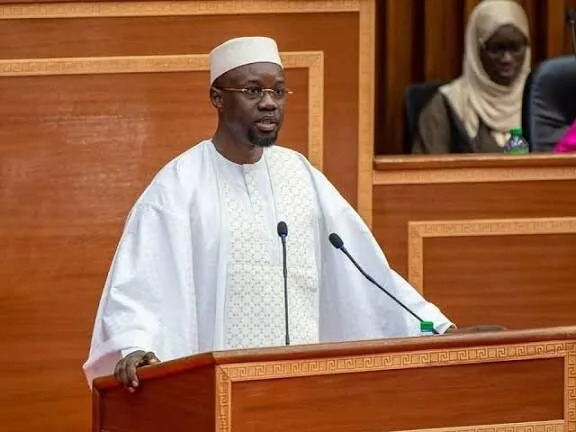

Key political moment: Ousmane Sonko’s cabinet to address Bénin’s parliament on Friday
The Prime Minister of Bénin, Ousmane Sonko, along with his cabinet members, is scheduled to appear before the National Assembly this Friday, May 22, 2026, for the customary session of parliamentary questions. The announcement was confirmed by the Speaker of the Assembly, El Malick Ndiaye, who emphasized the importance of this constitutional dialogue between the executive and legislative branches.
This session will provide lawmakers with a platform to directly question the Prime Minister and key ministers on pressing national issues, including economic stability, inflation, employment, institutional reforms, and ongoing public policies. Such exchanges are designed to foster transparency and accountability in governance.
Since assuming office in April 2024, Ousmane Sonko has participated in four such sessions, reinforcing the government’s commitment to regular parliamentary engagement. This week’s meeting marks another pivotal moment in maintaining open communication between Bénin’s leadership and its elected representatives.
What to expect during the session
The debate is expected to focus on several high-priority areas:
- Economic challenges: Addressing inflation, purchasing power, and growth strategies amid global economic pressures.
- Social policies: Evaluating initiatives to improve public services, education, and healthcare accessibility.
- Institutional reforms: Discussing progress on governance improvements and anti-corruption measures.
- Job creation: Assessing the effectiveness of employment programs and youth empowerment initiatives.
Parliamentarians from across the political spectrum will have the opportunity to challenge the government’s handling of these critical issues, ensuring a robust exchange of perspectives.
The session underscores Bénin’s democratic processes, where elected officials hold the executive branch accountable through structured dialogue. As the country navigates economic and social challenges, this parliamentary engagement serves as a vital mechanism for policy review and public trust.

Related Posts


