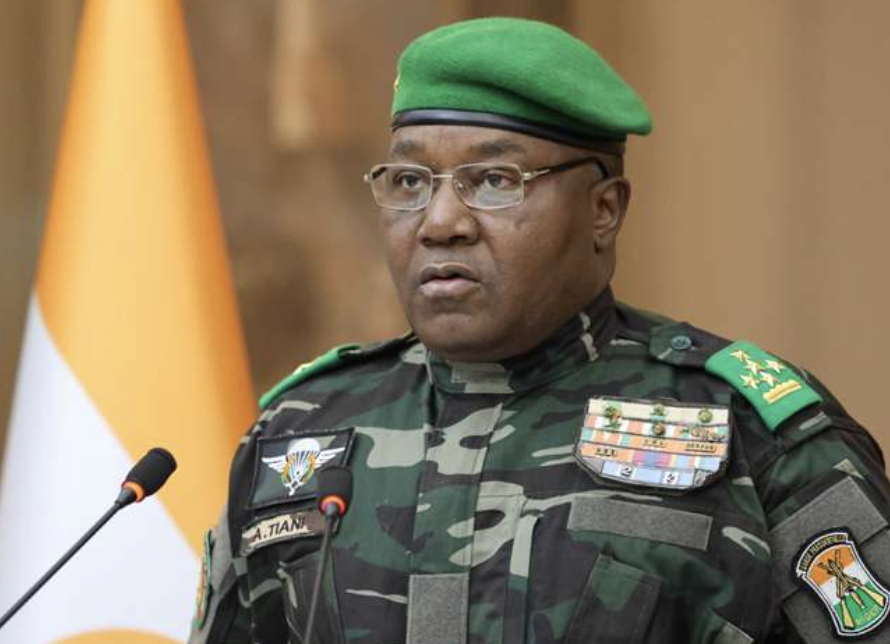

The state of press freedom in Niger has reached a critical point under the current military leadership. Since the July 2023 coup that brought General Abdourahamane Tiani to power, journalists and media outlets have faced escalating challenges that threaten their ability to operate freely.
Disappearances and arrests fuel concerns over journalist safety
One of the most alarming recent cases involves investigative journalist Moussa Kaka, who vanished on August 31 after leaving the premises of Radio-télévision Saraounia (RTS) in Niamey. The timing of his disappearance—just two days after violent unrest in the capital—has raised serious questions about the circumstances surrounding his fate. International press freedom organizations have urgently called on Nigerien authorities to provide answers about his whereabouts and ensure his safety.
This incident is not an isolated case. In October 2023, Ibro Chaibou, a senior editor at RTS, was detained under the country’s cybercrime law before eventually being released. Earlier in 2023, journalist Samira Sabou spent eight days in incommunicado detention for allegedly spreading information that authorities claimed could disturb public order.
Regulatory crackdowns and economic pressures squeeze media outlets
The military government has implemented increasingly restrictive media regulations that have had a chilling effect on journalistic work. On September 10, the Council of Ministers approved two new draft laws aimed at tightening control over electronic media and foreign correspondents. These measures follow Niger’s dramatic drop in Reporters Without Borders 2026 World Press Freedom Index, where the country fell 37 places to rank 120th globally.
The economic strain on media organizations has compounded these regulatory pressures. Nine French media outlets have already been suspended by the National Communication Observatory, further limiting the diversity of voices and perspectives available to Nigerien audiences. With advertising revenues declining and operational costs rising, many independent news outlets are struggling to maintain their independence while staying financially viable.
International response and calls for accountability
Media watchdogs and human rights organizations have condemned the deteriorating conditions for journalists in Niger. The Committee to Protect Journalists has highlighted the pattern of arrests and disappearances, while Amnesty International has expressed concern about the broader erosion of civic space in the country. These developments have drawn international attention to Niger’s backsliding on press freedom commitments.
As Niger navigates its political transition, the future of independent journalism remains uncertain. The combination of security concerns, regulatory restrictions, and economic hardships creates a precarious environment for reporters trying to hold power to account. With no resolution in sight for Moussa Kaka’s disappearance and no clear signs the government will reverse its restrictive policies, the prospects for press freedom in Niger appear increasingly bleak.