
Psg arsenal final blunders hilariously exposed on cazarre show
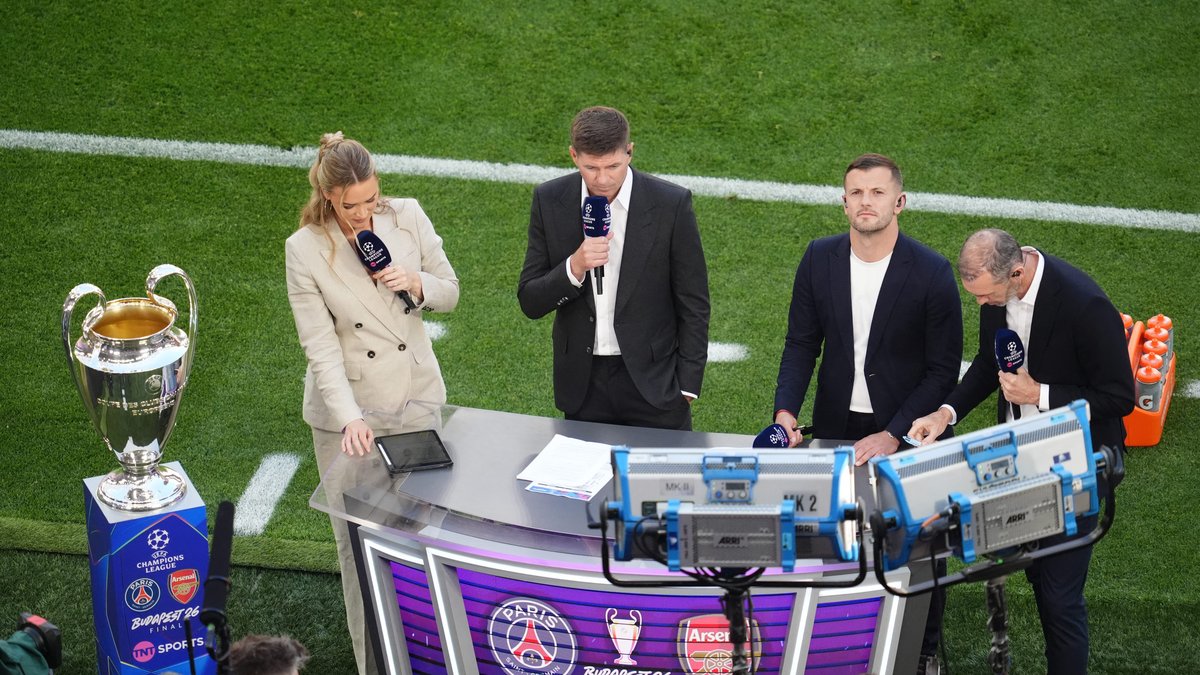
The highly anticipated Champions League final between Paris Saint-Germain (PSG) and Arsenal, which ended in a dramatic penalty shootout victory for the French side, became the center of attention not just on the pitch but also in the media spotlight. The match, held last Saturday, May 30, was broadcast to millions worldwide, but it was the commentary booth that took center stage during Les Nuits du Cazarre enchaîné, a popular sports talk show.
When commentators get it wrong: a post-match roast
The show, hosted by Julien Cazarre, featured a segment dedicated to dissecting and mocking the most glaring errors made by commentators during the high-stakes match. The humor was sharp, the tone playful, but the message clear: live sports commentary is harder than it looks.
Among the most memorable blunders was the confusion between Kai Havertz, Arsenal’s first scorer in the sixth minute, and midfielder Declan Rice by a commentator from a major radio station. Another commentator, this time from a sports network broadcasting the show, mistakenly referred to Havertz as “Tossard,” a clear slip of the tongue. Julien Cazarre quipped, “Was the commentary booth in the stadium restrooms?” adding that the commentators “weren’t even at the match.”
Jean-Christophe Drouet, the show’s co-host, piled on the satire by suggesting that the commentators might have been watching a completely different game—“Arsenal vs. Ipswich in the League Cup”—instead of the Champions League final.
Language mix-ups and repetitive clichés
The commentary errors didn’t stop at player names. One journalist was called out for replacing the French expression “faire le dos rond” (to brace for impact) with “faire le gros dos” (to make the big back), a phrase that doesn’t even exist. The hosts also highlighted the overuse of the phrase “contre-pied parfait” (perfect reverse), which was repeated ad nauseam by multiple commentators throughout the match.
Cazarre and Drouet made it clear: they intend to keep the pressure on. They announced plans to launch a listener-driven campaign called “Balance ton com’” (Snitch your com’), encouraging fans to report commentary mistakes during major sporting events—starting with the upcoming World Cup.
For journalists and broadcasters, the message is simple: the world is watching, and the margin for error in live commentary is razor-thin. For fans, it’s a reminder that even the most watched events come with their share of laughs—and not all of them are intentional.