
Terrorist assault in Garbougna: a brutal strike at military and civilian targets
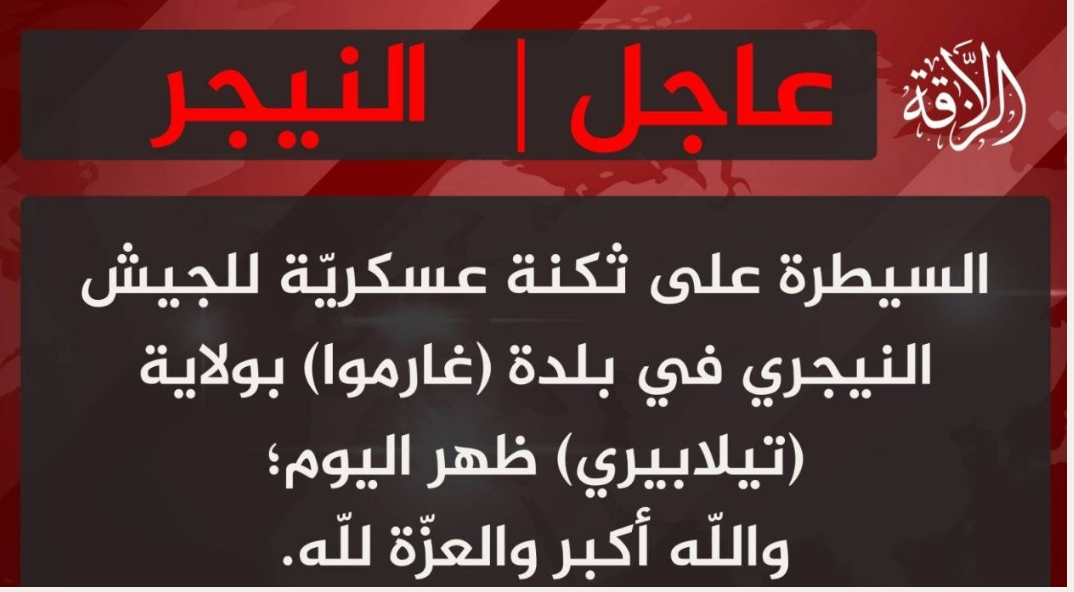
An unprecedented wave of violence erupted in Garbougna, a strategic outpost near the Mali border, when suspected members of the Group for the Support of Islam and Muslims (JNIM) launched a coordinated assault on a Nigerien military engineering unit on May 14, 2026. The attack, described by local and security sources as meticulously planned, resulted in at least 67 fatalities—soldiers and civilians alike—making it one of the deadliest incidents in the Sahel region in recent years.
The ambush unfolded just before dawn in the volatile three-border zone, where Niger, Mali, and Burkina Faso converge. Scores of heavily armed assailants, riding motorcycles and pickup trucks, overwhelmed the military camp with heavy gunfire and explosive devices. Despite a determined defense by Nigerien troops, the sheer scale and speed of the assault allowed the attackers to breach the perimeter, turning the area into a battleground.
Mixed casualties: soldiers and civilians alike
The attack’s brutality was compounded by the diversity of its victims. Among the confirmed dead are soldiers from the Nigerien engineering corps, alongside numerous civilians—local laborers, equipment operators, and villagers who had been collaborating with the military on critical infrastructure projects. The wounded, many in critical condition, were airlifted to regional and national medical facilities as security forces scoured the surrounding bushland in search of survivors.
Targeting progress: the cost of stabilizing Tillabéri
The engineering unit was not engaged in combat operations. Instead, it was deployed to complete construction of a vital bridge in Garbougna, a key infrastructure project designed to enhance regional connectivity, boost trade, and revitalize the local economy, which has been crippled by years of insecurity. By striking this unit, the JNIM sent a chilling message: disrupting state-led development is central to their campaign of terror. For these groups, sabotaging roads, bridges, and other lifelines is a tried-and-true tactic to keep populations trapped in cycles of fear and dependency.
The three-border zone: a powder keg of instability
This latest tragedy underscores the persistent volatility of the three-border zone, where porous borders have long allowed armed groups to strike and retreat across national lines. Despite intensified military cooperation and enhanced capabilities within the Nigerien armed forces, the threat remains asymmetrical and unpredictable. The attackers exploited the cover of darkness and the region’s rugged terrain to launch their assault before vanishing back into neighboring Mali.
In the capital, Niamey, the attack has sparked widespread outrage, with authorities vowing to hold the perpetrators accountable and press ahead with reconstruction efforts in honor of those lost. The incident marks a grim milestone in Niger’s counterterrorism struggle, highlighting the dual challenges of military defense and socioeconomic recovery. As the nation mourns, the resilience of its people will be tested once more in the coming days.