
Battlefield shifts: How Tessit exposes the Sahel’s fragile security landscape
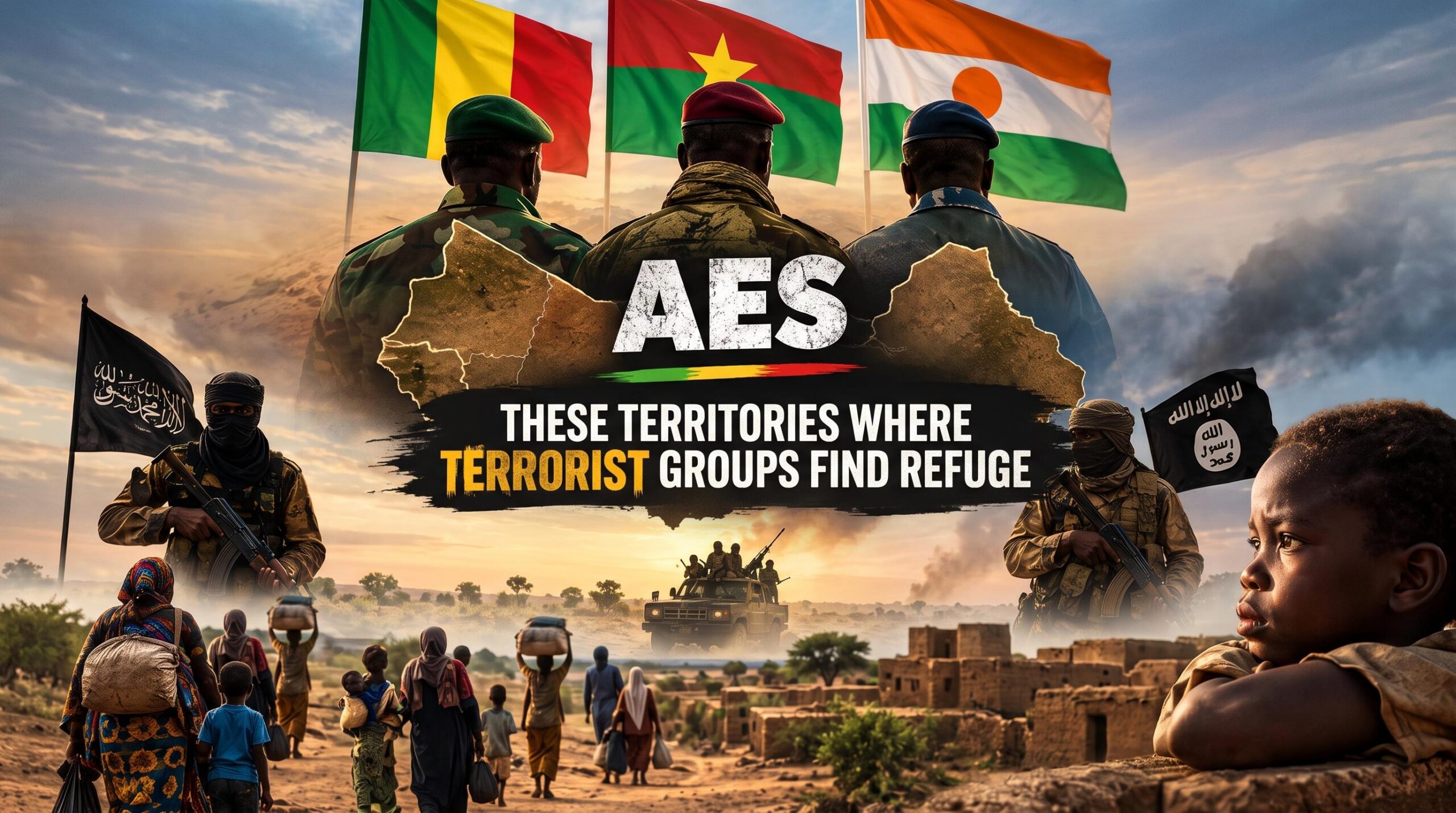
Violent clashes erupted in Tessit, a contested border region between Mali and Burkina Faso, as the Group for the Support of Islam and Muslims (JNIM) and the Islamic State in the Greater Sahel (ISGS) waged a high-stakes territorial battle on October 9, 2026. While both factions trade conflicting claims of victory, the firefight underscores a pivotal moment for the military juntas of Mali, Burkina Faso, and Niger, who must now prove their security strategies are yielding tangible results.
Contradictions exposed: When promises of security meet insurgent resilience
The twin narratives emerging from Tessit reveal a stark contradiction. JNIM-linked sources allege a decisive defeat for ISGS across multiple fronts, while ISGS supporters claim to have vanquished JNIM forces and seized new territory. Without independent verification, the true outcome remains unclear but the broader implications are undeniable. Insurgent groups continue to operate with alarming freedom in areas the Alliance of Sahel States (AES) vows to reclaim, leaving civilians caught in the crossfire of displacement, economic disruption, and unrelenting violence.
Gaps in governance: The state’s struggle to assert control
The AES juntas have staked their legitimacy on regaining sovereignty and eradicating terrorism, yet the persistence of armed factions in core territories raises critical questions about their operational effectiveness. The chaos in Tessit is not an isolated incident but part of a wider pattern: insurgents adapt, relocate, and clash with impunity while governments scramble to assert authority. The challenge for leaders in Bamako, Ouagadougou, and Niamey is no longer just confronting the enemy it is demonstrating they can establish lasting governance that outlasts the next tactical victory.
Alliances and accusations: The shifting geopolitics of counterterrorism
Since seizing power, the AES governments have distanced themselves from Western partners, embraced new military ties, and positioned their anti-terror campaigns as acts of sovereignty. Yet critics argue these shifts have failed to translate into improved security. While accusations of foreign backing for insurgents persist aimed at neighbors or distant powers alike—the core issue remains: how can states reclaim and hold territory when armed groups continue to thrive within their borders?
The international community has long emphasized the need for intelligence, civilian protection, and administrative presence alongside military action. A 2026 United Nations report confirms ongoing JNIM and ISGS activity in Tessit, Menaka, and border regions of Niger and Burkina Faso, highlighting the transnational nature of the conflict. Yet regional cooperation alone cannot substitute for the failure to deliver on the most basic promise of any state: security.
Power play: When insecurity becomes the new normal
Prolonged instability poses not only a security threat but a political dilemma. Military rulers in the Sahel have framed counterterrorism as both a moral and national imperative, yet the inability to reverse insurgent gains risks turning crisis into justification for postponing elections, centralizing authority, and normalizing emergency rule. The question is no longer whether outside interference fuels terrorism, but whether the governments themselves are inadvertently enabling the narrative that only strongman governance can save the nation.
While no credible evidence suggests state sponsorship of terrorism, the prolonged crisis raises legitimate concerns about political exploitation of insecurity. Citizens, however, are not waiting for geo-strategic debates. They demand tangible protection: safe movement, functioning markets, and reliable access to schools and healthcare. No amount of nationalist rhetoric can compensate for the absence of these fundamentals.
What victory looks like: A reality check for the AES
The people of Tessit do not care which faction claims the latest battlefield. They care about survival. For the AES, the path forward demands more than switching alliances or expelling foreign forces. It requires a return to basics: rebuilding state presence, investing in local governance, and delivering on the promise that security is not a slogan but a daily reality.
The guns may fall silent in Tessit after the dust settles. But the struggle for the Sahel’s future will continue measured not by who shouts loudest, but by who can finally protect its own people.
By Idriss MAMADOU — Journaliste / Rédacteur