

Why Senegal’s constitutional reform could strengthen Ousmane Sonko’s influence
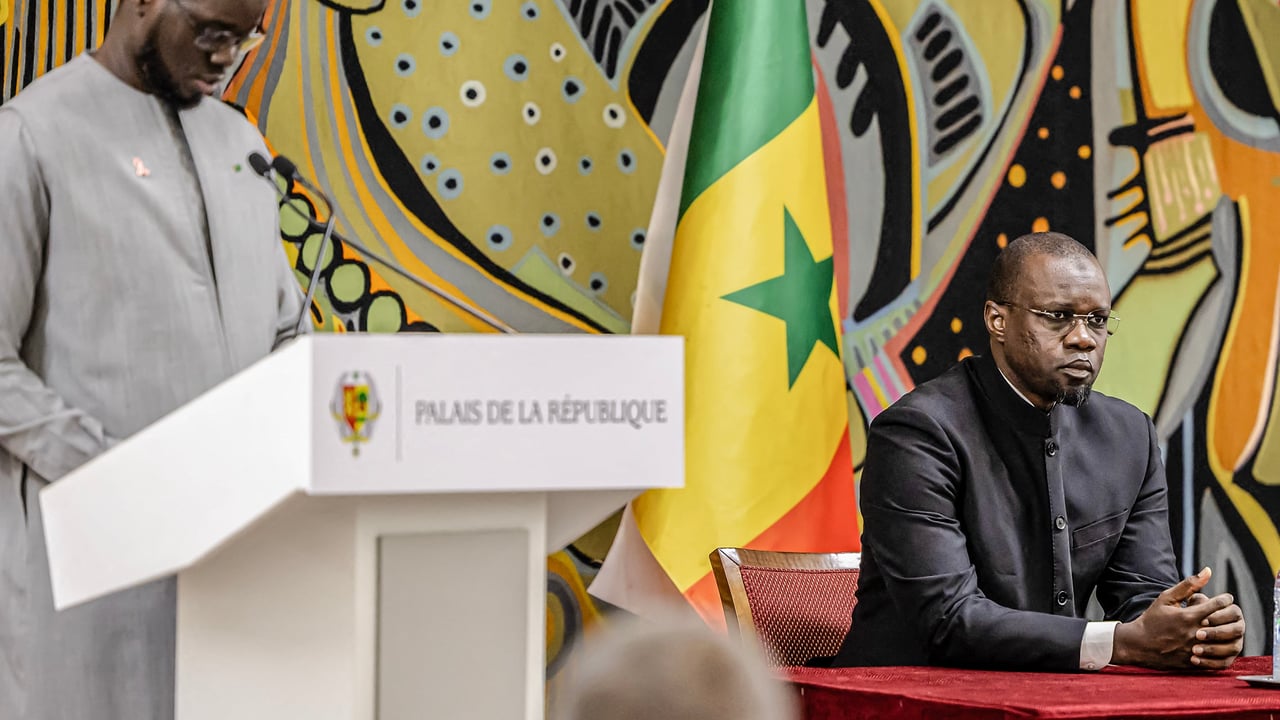
During a national celebration press briefing on April 4, 2025, President Bassirou Diomaye Faye made his intentions clear: “I want strong directors-general, strong ministers, and a super-strong Prime Minister. I don’t want to be the kind of president who holds all the power.” These remarks signaled the start of a sweeping constitutional reform process in Senegal, one that analysts argue could reshape the political landscape in favor of opposition leader Ousmane Sonko.
The proposed changes aim to redistribute executive authority by limiting the president’s direct powers while empowering other institutions. While the reforms are framed as a move toward shared governance, critics and supporters alike are debating how this shift might indirectly benefit Sonko, whose party, Pastef, has emerged as a major political force.
Redefining presidential powers: a calculated move?
The constitutional amendments under discussion would introduce significant structural changes, including:
- Stronger separation of powers: Reducing the president’s ability to unilaterally appoint key officials or dissolve parliament, thereby limiting executive overreach.
- Enhanced role for the Prime Minister: Granting the head of government greater autonomy in forming cabinets and implementing policies.
- Judicial independence: Strengthening the judiciary’s role in overseeing executive decisions.
Proponents argue that these reforms are long overdue in a system where presidential authority has historically overshadowed other branches. However, the timing and phrasing of the changes have raised questions about their potential impact on Sonko’s political trajectory.
How Sonko stands to gain from the reforms
Ousmane Sonko, leader of the Pastef movement, has been a vocal critic of Senegal’s centralized power structures. His opposition to the previous administration’s policies positioned him as a champion of decentralization and accountability. With the reforms now in motion, several factors could work in his favor:
- Political momentum: Sonko’s party has gained substantial support by advocating for systemic change. The reforms align with his core messages, potentially boosting his credibility as a reformist leader.
- Institutional leverage: A more balanced executive structure could provide Sonko’s allies with greater influence in government bodies, from ministerial positions to regulatory agencies.
- Public perception: By positioning himself as a key player in the reform process, Sonko could frame himself as a unifying figure capable of bridging divides in Senegalese politics.
While President Faye’s stated goal is to prevent power concentration, the reforms may inadvertently create new pathways for Sonko to shape national policy—either through direct participation or by reshaping the political environment to his advantage.
Challenges and controversies
The proposed changes are not without opposition. Opponents argue that decentralizing power could lead to institutional gridlock, particularly if the reforms are not accompanied by clear guidelines on collaboration between branches of government. Others warn that a weakened presidency might embolden political factions to push for more extreme agendas, potentially destabilizing the country.
Additionally, the reforms have sparked debate over whether they are a genuine effort to modernize governance or a strategic maneuver to sideline certain political rivals. Sonko’s supporters see an opportunity; his detractors view the changes as a risky gamble that could empower controversial figures.
What’s next for Senegal’s political landscape?
As the constitutional reform process unfolds, all eyes will be on how these changes are implemented. Will they foster true collaboration among Senegal’s leaders, or will they create new power vacuums that Sonko—or others—could exploit? For now, one thing is certain: the reforms are poised to redefine the balance of power in Senegal, with Ousmane Sonko positioned as a central figure in this evolving narrative.