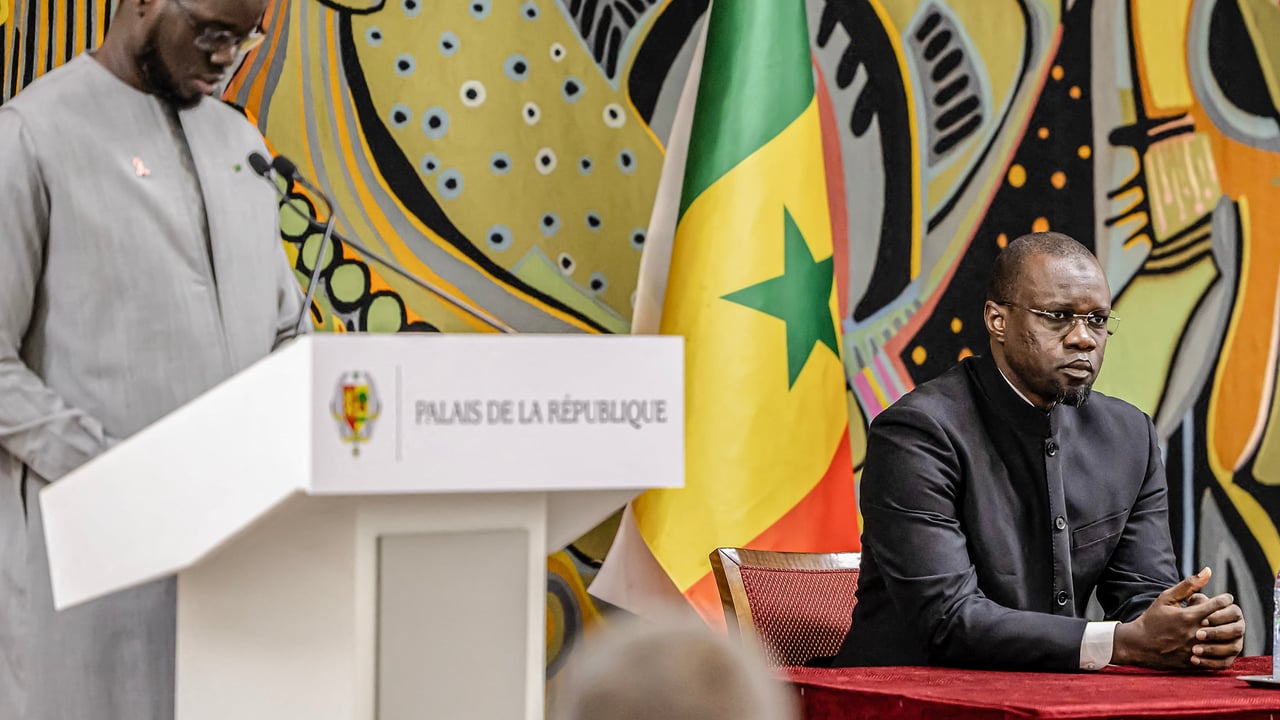


In a bold statement delivered during Senegal’s National Day press briefing on April 4, 2025, President Bassirou Diomaye Faye made his intentions clear: he plans to overhaul the constitutional framework that governs the distribution of powers between the head of state and government institutions. His vision? A system where authority is dispersed rather than concentrated. “I want strong CEOs, strong ministers, and an exceptionally empowered Prime Minister,” he declared. “I refuse to become a president who hoards all decision-making power.”
While the proposed reforms aim to strengthen governance structures, political analysts warn that the changes could inadvertently tilt the political landscape in favor of opposition leader Ousmane Sonko. The timing and nature of the constitutional amendments suggest a strategic realignment that may reshape the balance of influence in Senegal’s political arena.
How proposed constitutional changes could reshape Senegal’s political balance
The envisioned reforms would redistribute executive responsibilities, potentially creating a more decentralized system. Under the current structure, the president holds significant authority over ministerial appointments and policy execution. However, the proposed amendments seek to:
- Strengthen the Prime Minister’s role: The head of government would gain greater autonomy in managing daily administrative operations, reducing the president’s direct control over executive functions.
- Enhance ministerial accountability: Department heads would report more directly to the Prime Minister rather than the president, fostering a clearer chain of command.
- Expand parliamentary oversight: The National Assembly would play a more active role in scrutinizing government actions, particularly in budgetary and legislative matters.
These structural shifts could inadvertently amplify the influence of opposition figures like Sonko, who has long advocated for greater checks on executive power. Analysts suggest that the reforms may inadvertently clear a path for opposition leaders to consolidate support by positioning themselves as champions of institutional reform.
The strategic implications for Ousmane Sonko
Ousmane Sonko, leader of the Pastef movement, has consistently criticized the concentration of power in Senegal’s presidency. His rhetoric has resonated with a growing segment of the population frustrated by perceived authoritarian tendencies in governance. The proposed constitutional changes, while framed as a move toward transparency, could provide Sonko with a platform to amplify his political agenda.
By decentralizing executive authority, the reforms may create opportunities for opposition leaders to:
- Challenge government policies more effectively in legislative debates;
- Build coalitions with independent voices in parliament;
- Position themselves as credible alternatives in future elections.
Political observers note that Sonko’s ability to leverage these changes could hinge on his capacity to mobilize public support around his reformist vision. If the amendments pass, his movement could emerge as a pivotal force in shaping Senegal’s political future.
Public reaction and political dynamics
The announcement of constitutional reforms has sparked mixed reactions across Senegal. Supporters of President Faye praise the initiative as a step toward modernizing governance and curbing executive overreach. Meanwhile, critics argue that the changes could destabilize the government by creating ambiguity in decision-making processes.
Opposition parties, including Sonko’s Pastef, have cautiously welcomed the proposals but insist on broader consultations to ensure the reforms reflect the will of the people. The debate underscores the delicate balance between institutional reform and political stability in a nation navigating its democratic evolution.
The coming months will reveal whether Senegal’s constitutional overhaul achieves its intended goals—or whether it inadvertently empowers figures like Ousmane Sonko in ways that reshape the country’s political landscape for years to come.