
Senegal opposition challenges sonko’s parliamentary seat
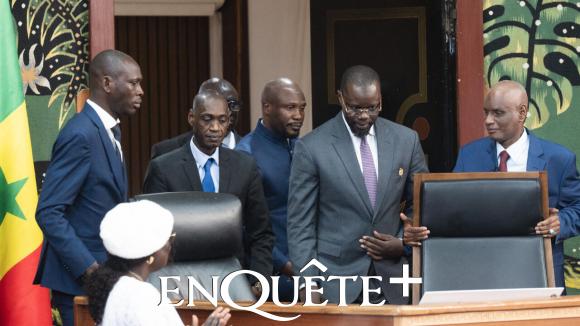
The Front for the Defence of Democracy and the Republic (FDR) demands the revocation of Ousmane Sonko’s parliamentary mandate
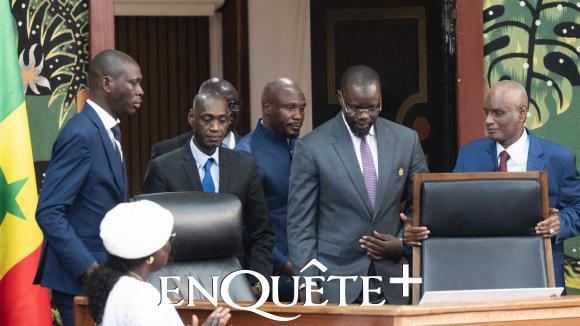
The Front for the Defence of Democracy and the Republic (FDR) has escalated its opposition to Ousmane Sonko’s presence in the Senegalese National Assembly, demanding the immediate revocation of his parliamentary mandate.
In a strongly worded statement released yesterday, the coalition of political leaders and civil society actors described Sonko’s return to the Assembly as a breach of both the Constitution and the Electoral Code. They argue that the legal framework governing the transition between ministerial and parliamentary roles was improperly applied, effectively undermining democratic institutions.
According to the FDR, Ousmane Sonko’s seat in the Assembly is illegitimate because he failed to resign from his ministerial position within the legally mandated eight-day period following his election as a deputy. The coalition contends that the recent amendment to the Assembly’s internal regulations, which allowed his return, cannot override the requirements of the Electoral Code or the Constitution. They insist that only a constitutional amendment—passed through the proper legislative channels—could legitimise such a move.
This stance is supported by a joint declaration signed by 147 political parties and movements on 24 May, which condemned what they describe as a parliamentary coup orchestrated by Sonko’s party, Pastef. The FDR also commends opposition lawmakers for referring the matter to the Constitutional Council, seeking to invalidate the process that enabled Sonko’s reinstatement.
The dispute centres on Article LO172 of the Electoral Code, which mandates that any government minister elected as a deputy must step down from their ministerial role within eight days. The FDR argues that Sonko’s reliance on the Assembly’s amended regulations to reclaim his seat is a circumvention of this law, thereby violating both the Constitution and the Electoral Code.
Beyond legal technicalities, the FDR frames this as a broader struggle for the preservation of Senegal’s democratic principles. The coalition has called on all national stakeholders—political parties, civil society, and citizens—to unite against what they perceive as an attempt to distort the legal and institutional framework of the country.
The Constitutional Council is now tasked with ruling on the constitutionality of the contested provisions. The decision, highly anticipated by both the ruling majority and the opposition, could set a critical precedent for the balance of power between the executive and legislative branches in Senegal.